
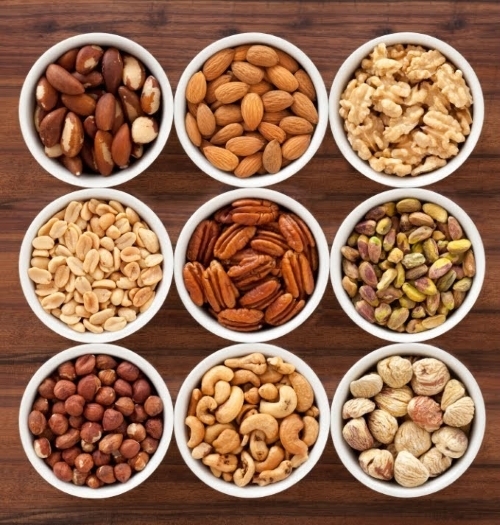
Goat Cheese Salad with Nuts & Dried Fruits
Nuts are considered highly healthy because they are nutrient-dense powerhouses packed with heart-healthy unsaturated fats, plant protein, fiber, and essential vitamins/minerals. Regular consumption is linked to lower “bad” cholesterol (LDL), reduced inflammation, improved heart health, and better weight management by promoting satiety.
-
Almonds
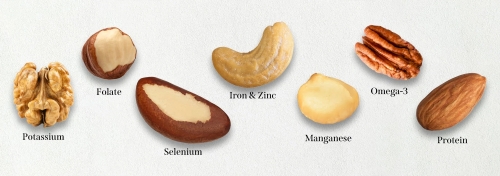
Packed with heart-friendly monounsaturated fat, fibre and vitamin E, almonds have the highest calcium content of a nut – we need this mineral for robust bones, as well as for the correct function of our nerves and muscles. The beneficial fat and high fibre content of almonds means they help to manage cholesterol levels for heart health.
Eating skin-on almonds may provide even greater benefits; supporting gut health by promoting the growth of beneficial strains of bacteria, including Lactobacillus and Bifido-bacteria. The skin is also full of protective compounds called flavonoids which have antioxidant benefits. -
Brazil Nuts
Selenium is a mineral that acts as a protective antioxidant, it supports immunity and helps wounds heal. You only need one to three Brazil nuts a day to get all the selenium you require, because we only need this mineral in very small amounts. Also containing vitamin E and the polyphenols ellagic and gallic acid, Brazil nuts enhance our defence mechanisms and help regulate blood lipids. -
Cashew Nuts
Because they contribute a good level of protein and are a useful source of minerals like iron and zinc, cashews make an excellent choice if you follow a vegetarian diet. They’re also rich in the mineral magnesium, which is thought to improve recall and delay age-related memory loss. Cashews are a source of heart-friendly mono-unsaturated fats and supply plant sterols, which may help manage cholesterol levels. -
Chestnuts
By far the nut with the lowest fat and calories, chestnuts are rich in starchy carbohydrates and fibre, and in their raw form are a good source of vitamin C. They’re lower in protein than other nuts, but when ground can be used as a gluten-free flour for cakes and bakes. -
Hazelnuts
Hazelnuts are the second richest nut source of heart-friendly mono-unsaturated fat, they also have anti-inflammatory properties and can be helpful in managing blood lipids. Rich in vitamins and minerals, they are effective at improving vitamin E status, especially in the elderly. -
Macadamia Nuts
Although well known for their high fat content, macadamia nuts shouldn’t be feared. They are the richest nut source of heart-friendly mono-unsaturated fats and, as such, they help manage cholesterol and modulate the risk factors of heart disease. They’re a good source of fibre and make a useful contribution towards mineral intake, including magnesium, calcium and potassium. -
Pecan Nuts
Heart-friendly pecans are packed with plant sterols, which are effective at lowering cholesterol levels. Pecans are also antioxidant-rich, which helps prevent the plaque formation which causes hardening of the arteries. They’re also rich in oleic acid, the mono-unsaturated fat which is famed for the heart-healthy benefits of olives and avocado. -
Pine Nuts
pine nuts on a white background
These little nuts are a key ingredients in pesto, and make a nutritious addition to salads, pasta or dips. Botanically, pine nuts are actually a seed rather than a nut and are derived from different species of pine cone.
Being especially rich in vitamin E means including these little nuts in the diet may help support healthy skin and protect against ageing.
Pine nuts help lower fasting blood glucose levels, and their rich polyphenol content may help prevent some of the health complications associated with diabetes. -
Pistachios
A popular ingredient in desserts and puddings, pistachios add an intriguing colour to dishes, thanks to pigments which have antioxidant properties.
Compared to most other nuts, pistachios have a lower fat and calorie content and contain the highest amount of potassium. They’re especially rich in phytosterols, which supports cardiovascular health. They’re also the only nut to provide reasonable levels of lutein and zeaxanthin, two antioxidants which play an important role in protecting the eyes. -
Walnuts
Like all nuts, walnuts provide ‘good-for-you’ fats, and in this case, they are predominantly polyunsaturated fats (PUFAs). In fact, walnuts have the highest content of the short chain omega-3 essential fatty acid, alpha lipoic acid (ALA), of all edible plants, making them an incredibly valuable inclusion for those following a plant-focused diet.
Eating walnuts appears to not only benefit us but our gut bacteria too. -
Peanuts
Technically legumes, but providing similar benefits with more protein.
Peanuts offer more protein than many tree nuts, making them helpful for maintaining muscle mass during weight management. The combination of protein, healthy fats, and fiber may provide sustained energy and satisfaction for many people.
Peanuts also contain resveratrol, the same antioxidant found in red wine. - Ginkgo Nuts
Ginkgo nuts are nutty and slightly sweet nuts of the ginkgo tree. They are used for culinary and medicinal purposes in East Asian culture. Promoted as a dietary supplement for many conditions, including anxiety, heart disease, cognitive impairment and dementia, diabetes, premenstrual syndrome, schizophrenia, and tinnitus, among others. It has also been promoted with claims that it can enhance cognitive performance in healthy people.