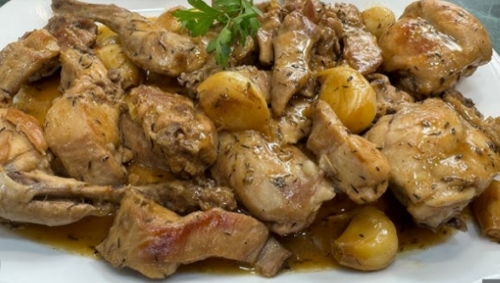
Canarian Garlic Rabbit

Canarian Recipes: Conejo al ajillo canario

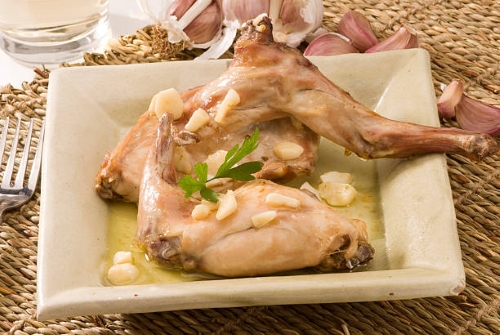
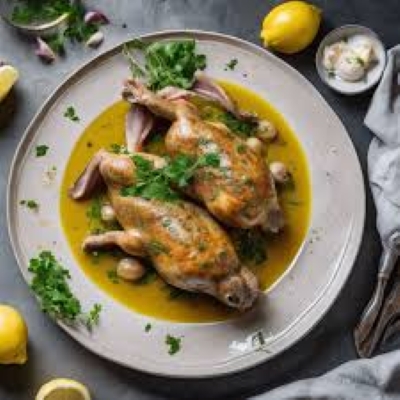
Rabbit in garlic sauce, Canarian style, is a traditional, simple dish, pieces of rabbit fried with plenty of garlic, local white wine, herbs and sometimes a little vinegar, resulting in golden, juicy meat with a rich sauce. 

Ingredients

  • 1 rabbit, cut into pieces
  • flour for coating the rabbit
  • 2 heads of garlic
  • 1 generous teaspoon of sweet paprika
  • 6-8 crushed black peppercorns, optional
  • 1 sprig of thyme
  • 1 sprig of rosemary
  • 2-3 bay leaves
  • 250 ml of white wine
  • 2-4 medium potatoes, chopped, optional
  •  salt
  • olive oil
  • 200ml water or chicken stock

Method

  • Season the rabbit meat with salt and pepper to taste.
  • Coat the pieces of meat in flour.
  • Heat olive oil in a shallow pan
  • Fry the rabbit to get it crispy.
  • Meanwhile, peel the potatoes and roughly chop them.
  • Once the rabbit is cooked through, set it aside.
  • Add the potatoes and cook for about 8 -10 minutes, stirring occasionally to prevent burning.
  • Add the garlic, one or two heads of garlic, separated into cloves.
  • Stir well and let the garlic brown.
  • Add the sprigs of thyme and rosemary, the bay leaf, and the paprika, stir, and then add the reserved rabbit.
  • Add the white wine and let it cook for at least 10 minutes as the alcohol evaporates.
  • Add the water to cover two-thirds of the rabbit and garlic.
  • Over medium heat, let it cook until the sauce has reduced, about 30-45 minutes.
  • Thicken with flour to your taste if needed.

Serve hot with crusty bread.

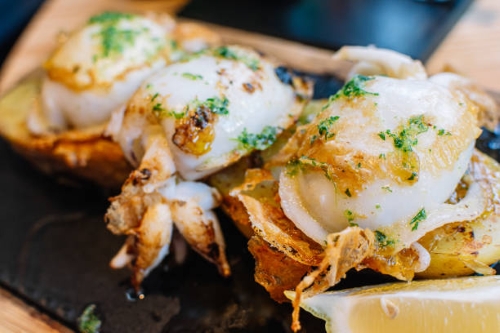
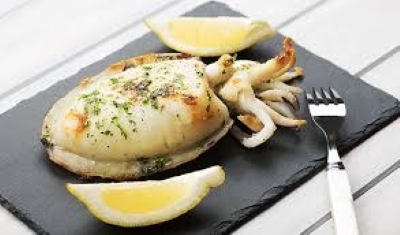
Easy Grilled Cuttlefish

Canarian Recipes: Chocos Asado a La Plancha

Chocos, known in English as cuttlefish or squid, accompanied by a sauce, is a typical Canarian gastronomic delight, usually served with Green Mojo Sauce.

Ingredients

  • 4 cuttlefish (chocos)
  • 1 handful of coriander
  • 4 cloves of garlic
  • Olive oil
  • Salt
  • 4 medium potatoes

Method

  1. First, clean the choco thoroughly.
  2. Next, lightly grease the grill with some olive oil and place the chocos on it for about 5 minutes on each side.
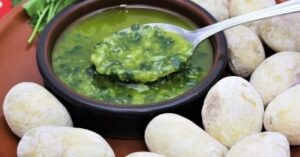
  3. At the same time, prepare a mojo sauce by blending the garlic, coriander, olive oil, and salt.
  4. Use this sauce to baste the chocos occasionally as they cook, turning them to ensure they absorb all the flavours.
  5. Reserve some mojo for serving, to accompany the wrinkled potatoes.
  6. Boil the peeled potatoes in salted water for about 25 to 29 minutes until tender.
  7. Serve the chocos alongside the potatoes, mojo sauce, and a good glass of  white wine.

Canarian Tips

  • Medium to large cuttlefish are best.
  • The tentacles are often considered the best part.
  • Cleaning: Remove the inner cartilage (cuttlebone)
    Ensure the beak is removed.
  • The key to the perfect Canarian choco is ensuring it is tender, not rubbery.
    Either cook extremely fast (1–2 minutes) over high heat
    or very slow (over 30 minutes) at low heat.
  • Pair with local flavors like garlic, coriander or pimentón.


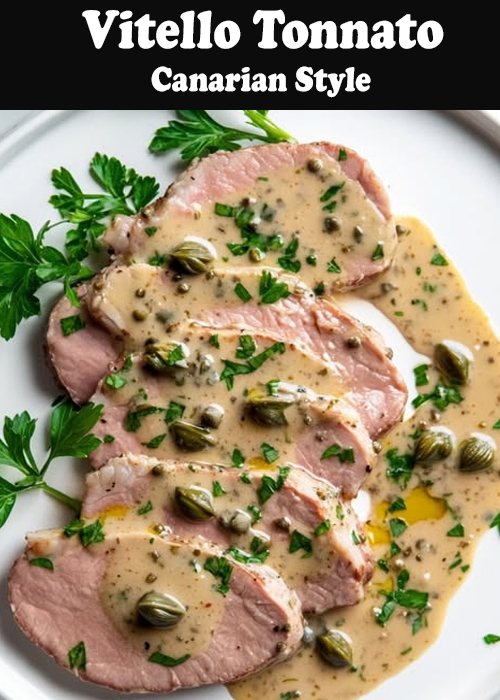
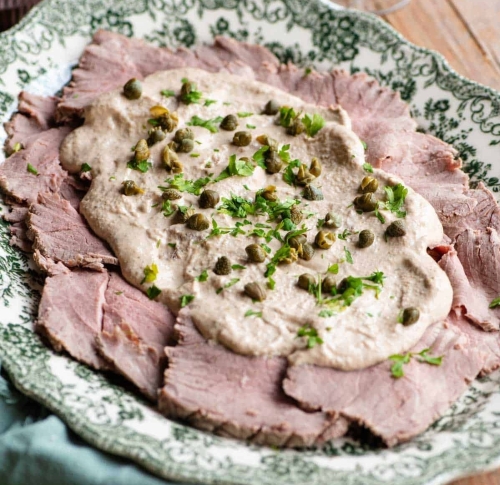
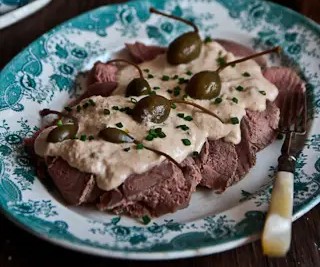
Pork in Tuna Sauce (Vitello Tonnato)

Canarian Recipes: Ternera con Salsa De Atún

Vitello Tonnato Canarian Style
With Pork Fillet, served hot or cold

A classic Italian dish, originally of poached veal, thinly sliced and served with a creamy tuna and caper sauce, perfect for appetizers or light meals. Also works well with beef.

Ingredients

  • 700 g pork fillet
  • 2 tbsp oil
  • 1 carrot, chopped
  • 1 celery stalk, chopped, optional
  • 1 small onion, chopped
  • 100 ml dry white wine
  • 150 ml vegetable broth
    For the Sauce:
  • 200 g canned tuna, drained
  • 3 tbsp mayonnaise
  • 2 tbsp capers
  • 4 anchovy fillets, optional
  • 2 tbsp lemon juice
  • Salt and pepper to taste

Preparation

  1. Heat oil in a pan and sear the pork on all sides and set aside.
  2. Add chopped carrot, celery, and onion.
  3. Pour in white wine and vegetable broth and simmer until reduced by half.
  4. Add back the pork and simmer for 10-15 minutes.
  5. Blend tuna, mayonnaise, capers, anchovies and lemon juice into a smooth sauce.
  6. If serving warm, heat the sauce gently before serving.
  7. Arrange pork slices on a platter and drizzle with tuna sauce.
  8. Garnish with capers and parsley.

Cooking with Beef

For best results cook the beef as a roast, slicing rare or well done to your liking.

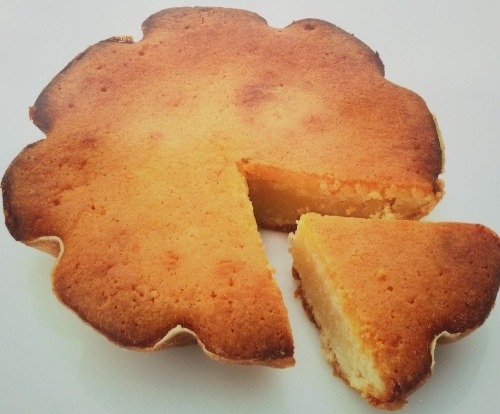
El Hierro Cheese Quesadillas

Canarian Recipes: Herreñas Quesadillas

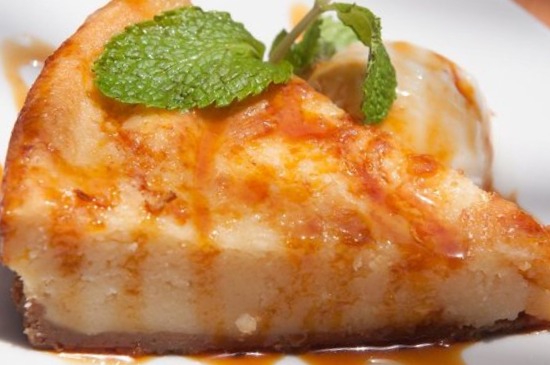
A typical dessert from El Hierro. Similar to a small cake and usually shaped like a flower, the main ingredient of the quesadilla is El Hierro cheese. The first El Hierro quesadillas were made at the beginning of the 20th century by the same family that continues the tradition of this sweet treat, a gastronomic symbol of El Hierro.

Herreño cheese is an iconic artisanal product from the island of El Hierro, traditionally made with a mixture of goat’s milk (mainly), cow’s milk and sheep’s milk, it stands out for its tender smoked, semi-cured and cured varieties, often made with raw or pasteurized milk, reflecting the island’s pastoral tradition.

Ingredients

9 servings

  • 350g fresh cheese
  • 70g flour
  • 50g honey
  • 35g sugar
  • 1 egg
  • 1/2 tsp chopped lemon peel
  • 1/2 tsp anise seeds
  • 1 pinch cinnamon

Method

  1. Mash the fresh cheese with a fork without mixing or beating.
  2. Mix the egg with the sugar, honey, and chopped lemon zest.
  3. Add the mashed fresh cheese and mix.
  4. Add the anise seeds and ground cinnamon and mix again.
  5. Add the flour and mix until fully incorporated.
  6. Cover with plastic wrap and let rest at room temperature for 1 hour.
  7. Rub a small piece of butter on the base and sides of each muffin tin cavity.
  8. Pour a little flour into each cavity and up the sides so it adheres to the butter.
  9. Turn the muffin tin upside down to remove any excess flour.
  10. Fill each cavity halfway with the dough.
  11. Bake at 170ºC for about 45 minutes.
  12. Remove from the oven and let cool to room temperature.
  13. Unmold the quesadillas and store them in the refrigerator.
  14. Take the quesadillas out of the refrigerator 30 minutes before eating them so they can come to room temperature.

With Caramelized Drizzle (Sugar and Butter)

Substitutes for Queso Herreño
The best substitutes for Queso Herreño (El Hierro cheese) are other semi-hard to hard, slightly smoky or tangy goat/sheep cheeses. From the Canary Islands maybe Queso Palmero or Queso Majorero. These offer a similar firm texture and, if smoked, a comparable flavor profile, often available in specialty Spanish shops or online.

What is a Quesadilla?
A quesadilla is a Mexican dish consisting of a tortilla—corn or flour—filled primarily with cheese and often other ingredients like meats or vegetables, then folded in half and heated until the cheese melts. Literally translating to “little cheesy thing” from Spanish (queso meaning cheese), it is a popular, versatile, and often handheld food.

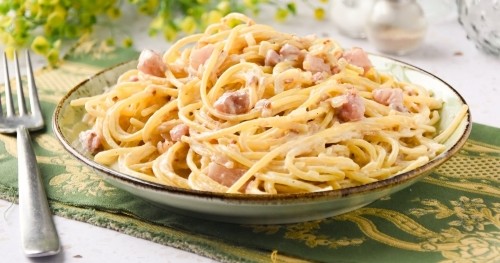
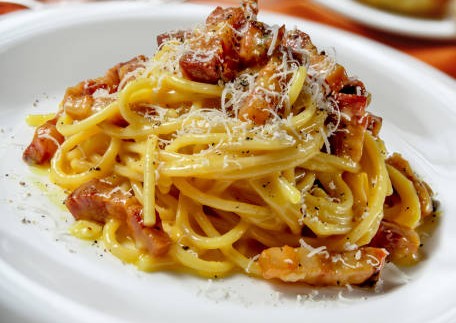
Creamy Pasta Carbonara

Pasta alla carbonara is easy to make with 4 classic ingredients and many optional variations, pancetta (pork belly) is often replaced with cream and/or cheese.

Ingredients

  • 500 g spaghetti or other pasta
  • 1-2 eggs
  • 100g parmesan cheese grated
  • 100g pancetta or fatty bacon (smoked if you like)
  • 100-150ml cream, optional
  • 10-15g fresh chopped parsley, optional
  • Cheese, herbs to serve, optional

Method

  1. Cook pasta according to directions in salted water until al dente. 
  2. Meanwhile, mix together the 2 eggs, parmesan cheese salt, pepper and parsley (if using) in a small bowl, creating a paste-like consistency.
  3. Cook the pancetta or bacon over medium high heat until meat is browned and fat is rendered.
  4. Add the hot pasta to the pancetta and turn heat to low.
  5. Stir for one minute until pasta is covered then add the egg and cheese mixture, stirring for another minute
  6. Add water (or cream) until you have a nice, creamy consistency that sticks to every noodle.
  7. Serve garnished with extra herbs, parmesan, and black pepper.

Is Pancetta the Same as Bacon?

  • Pancetta is often called “Italian bacon” because it comes from the same pork belly cut.
  • While both are cured, pancetta is generally salt-cured and unsmoked. 
  • Pancetta is savory, delicate and salty whereas bacon is more robust and often smoky.
  • Due to its fatty nature, pancetta is often used to start pasta sauces (like Carbonara) or in soups.
  • While you can usually use them interchangeably, the flavor of your dish will change.

What Type of Pasta

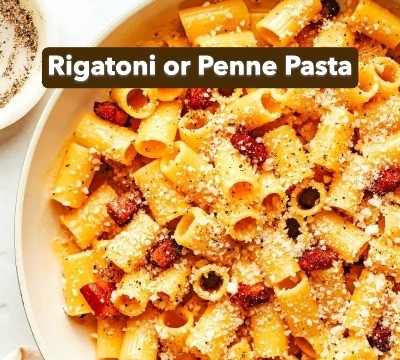
Pasta comes in all shapes, long (spaghetti, linguine, fettuccine), short (penne, rigatoni, fusilli), stuffed (ravioli, tortellini), and pastina (tiny soup shapes). They are matched to sauces based on texture: thin sauces pair best with delicate, long strands, while chunky, heavy sauces cling to ridges and hollow tubes.

Rigatoni
With its long tubular shape and ribboned edges, this pasta is especially sturdy and perfect for catching sauce. Use it in hearty winter dishes and baked specialties.

Penne
Penne is essentially a smaller version of rigatoni. This makes it a good fit for lighter, tomato-based sauces such as vodka or marinara.

Fresh vs Dried Pasta

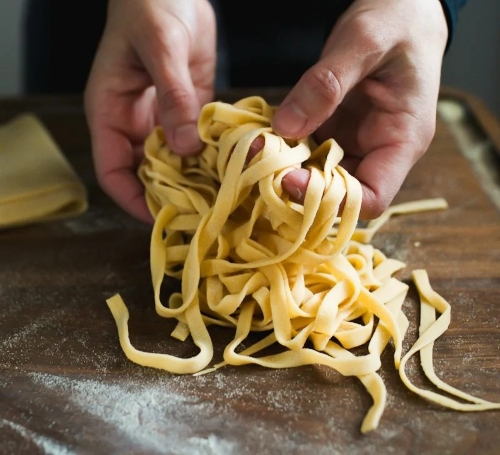
In Italy, one is not “better” than the other. They serve different purposes. and knowing when Italians use fresh pasta vs dried pasta will completely change the way you cook.

Fresh Pasta (Pasta Fresca)

  • Made with flour + eggs 
  • Soft, tender texture
  • Cook time: 1–3 minutes
  • Often handmade
  • Higher moisture content
  • Best for delicate, butter-based or creamy sauces

Dried Pasta (Pasta Secca)

  • Made with durum wheat semolina + water
  • No eggs (traditionally)
  • Firm, elastic bite
  • Cook time: 8–12 minutes
  • Best for oil-based or tomato-based sauces
 

Easy Pesto Spaghetti

Spaghetti al Pesto is one of the most iconic recipes in Italian cuisine. Renowned for its fresh and aromatic flavours, this dish combines the tenderness of pasta with the intensity of pesto sauce, traditionally made with fresh basil, pine nuts, garlic, cheese, and olive oil.

Ingredients

  • 400 g spaghetti
  • 20-30g fresh basil leaves
  • 120ml olive oil
  • 2 garlic cloves
  • 2-3g Parmesan cheese
  • 6 cherry tomatoes, optional
  • 20g walnuts, broken, or pine nuts
  • Salt, black pepper, to taste

Ragu alla Bolognese (Bolognese Sauce)

Method

  1. Cook the spaghetti in salted water.
  2. Blend the basil, oil, garlic, nuts, and cheese.
  3. Combine the pesto sauce with the hot spaghetti.
  4. Serve immediately.

Pesto Sauce

You can increase quantities to make additional sauce. Pine nuts are the “real deal” but use walnuts or almonds if you prefer. Homemade basil pesto sauce will keep in an air tight container in the refrigerator for up to one week. It’s also freezer-friendly in an air tight container for up to 3 months. Place in the refrigerator to thaw overnight and reheat gently.

Fresh vs Dried Pasta

In Italy, one is not “better” than the other. They serve different purposes. and knowing when Italians use fresh pasta vs dried pasta will completely change the way you cook.

Fresh Pasta (Pasta Fresca)

  • Made with flour + eggs 
  • Soft, tender texture
  • Cook time: 1–3 minutes
  • Often handmade
  • Higher moisture content
  • Best for delicate, butter-based or creamy sauces

Dried Pasta (Pasta Secca)

  • Made with durum wheat semolina + water
  • No eggs (traditionally)
  • Firm, elastic bite
  • Cook time: 8–12 minutes
  • Best for oil-based or tomato-based sauces
 

Authentic Spaghetti Bolognese

Spaghetti Bolognese is a popular Italian-inspired dish featuring a rich, slow-cooked minced meat (beef/pork) and tomato-based sauce, traditionally served over spaghetti with Parmesan cheese.

Ingredients

  • 400g ground beef (70-80%)
  • 200g ground pork
  • 1 small carrot
  • 1 small celery stalk
  • 1 medium onion
  • 2 tbsps olive oil
  • 120ml dry red wine (or stock)
  • 2 tbsps tomato paste
  • 500ml tomato puree 
  • salt, black pepper, to taste
  • 1-2 whole bay leaves
  • 120ml whole milk
Ragu alla Bolognese

Ragu alla Bolognese (Bolognese Sauce)

Method

  1. Cut the carrot, celery and onion very fine 
  2. In a medium to large heavy pot add the olive oil and chopped vegetables, cook covered on low heat (stirring occasionally) until onion is transparent.
  3. Increase the heat to medium and add the ground beef and pork, stirring as the meat is cooking to break up the pieces.
  4. Once the meat has browned turned the heat up to high and add the wine.
  5. Cook until the alcohol has evaporated (about 20-30 seconds) and the liquid has evaporated.
  6. Decrease the heat to medium/low and add the tomato paste, puree, salt, pepper and bay leaf.
  7. Gradually decrease the heat to the lowest setting cover and let simmer for three hours (the mixture should not boil).
  8. Stir occasionally.
  9. Finally remove the bay leaf and add the milk, simmer for a couple of minutes.
  10. Serve over cooked pasta, fresh or shop bought.

Options

  • Parmesan, fresh or packet
  • Fresh Herbs to dress
  • Halved cherry tomatoes to dress
  • Cooked peas or sweetcorn, to dress
Milk (or cream) is generally added if the pasta you are serving it with is a dry pasta, it is added at the end of the cooking time. But if you are using a fresh egg pasta, such as tagliatelle, adding it is optional.
Originally it was a key ingredient in authentic Bolognese sauce (Ragù alla Bolognese), added to tenderize the meat, cut the acidity of the tomatoes, and create a rich, silky, and creamy texture.
It is typically added as whole milk after the wine is simmered down but before adding or tomatoes then simmered until fully evaporated. 

Fresh vs Dried Pasta

In Italy, one is not “better” than the other. They serve different purposes. and knowing when Italians use fresh pasta vs dried pasta will completely change the way you cook.

Fresh Pasta (Pasta Fresca)

  • Made with flour + eggs 
  • Soft, tender texture
  • Cook time: 1–3 minutes
  • Often handmade
  • Higher moisture content
  • Best for delicate, butter-based or creamy sauces

Dried Pasta (Pasta Secca)

  • Made with durum wheat semolina + water
  • No eggs (traditionally)
  • Firm, elastic bite
  • Cook time: 8–12 minutes
  • Best for oil-based or tomato-based sauces
 

What Is The Best Red Wine To Use?

A medium-bodied red wine with a moderate tannins, like a Cabernet Sauvignon, Merlot or Pinot Noir is the best to use. Cooking wine is best avoided unless you know it’s origin. Wine you would drink is always the best choice. At a pinch, you can use white wine?

Storing Ragu alla Bolognese (Bolognese Sauce)

Any leftover sauce should be stored in an airtight container and refrigerated it will keep for up to 5 days in the fridge. The completely cooled sauce can also be frozen for up to 3 months. Thaw the sauce overnight in the fridge. It will look a little 

Chip Shop Potato Fritters

Called Scallops in many areas of the UK, Chippy Potato Fritters are slices of cooked potato dipped in batter and fried in hot oil. Liberally doused in salt and vinegar to serve.

Ingredients

Batter

  • 4 tbsp (80g) plain flour
  • 2 tbsp (40g) corn flour
  • 1/4 tsp  salt
  • Pinch bicarbonate of soda
  • 150 ml cold beer 

Fritters

  • 1 large potato
  • 2 tbsp flour
  • Oil for deep frying

Method

  1. Sift flour and salt into a medium sized bowl.
  2. Whisk in beer in a slow but steady stream to form a smooth, thick, lump-free batter.
  3. Cover and place in the refrigerator for 30 minutes to rest.
  4. Slice potatoes lengthways to give you the biggest slices.
  5. Bring a pot of salted water to boil, then reduce to a simmer.
  6. Add potatoes and cook until half cooked.
  7. Drain and cool.
  8. Dust potatoes in plain flour and dip in batter.
  9. With oil in a deep pan, heat until a teaspoon of batter browns in 30-40 seconds
  10. Dip potato slices in flour then batter and cook in medium hot oil for 4-5 minutes or until batter is golden.
  11. Remove and drain on absorbent paper.
  12. Sprinkle liberally with salt.
  13. Serve immediately with vinegar to taste.

TIP

Slice potatoes thin or pre-blanch before battering.
Mushy peas work well as an accompaniment.

Also in Beer Batter

Fish, eg code, hake
Sausages

Note: For economic reasons, most chippies DO NOT use beer in their batter and battered sausages DO NOT come on sticks as in many so called “authentic” recipes.

Beer Braised Pork Chops

Beer braised pork chops, simmered with broth and herbs for a hearty dish, is perfect served with seasonal vegetables. Grill or Barbeque to finish (optional).

Ingredients

  • 4 bone-in or boneless pork chops
  • 1 small onion (sliced)
  • 3 cloves garlic (minced)
  • 1 cup brown ale beer
  • ½ cup chicken broth
  • 1 teaspoon garlic powder
  • 1 teaspoon paprika
  • 2 tablespoons olive oil or butter
  • 1 tablespoon mustard
  • 1 tablespoon brown sugar (optional)
  • 1 teaspoon fresh thyme (or ½ tsp dried)
  • salt and black pepper, to taste

Instructions

    1. Pat dry and season both sides of the chops with salt, pepper, garlic powder, paprika.
    2. Heat oil or butter in a large skillet over medium-high heat.
    3. Sear pork chops for 3–4 minutes per side until golden brown.
    4. Remove and set aside.
    5. In the same pan, add sliced onion and cook until softened.
    6. Add garlic and cook for 30 seconds.
    7. Pour in brown ale, scraping up any browned bits from the pan.
    8. Add chicken broth, mustard, brown sugar (if using), and thyme.
    9. Stir and bring to a simmer.
    10. Place pork chops back into the pan.
    11. Spoon sauce over them.
    12. Cover and cook for 10–15 minutes, until pork is cooked through and tender.
    13. Remove chops to grill, BBQ as an alternative.

🍽️ Serving Ideas

  • Mashed potatoes 🥔
  • Rice or buttered noodles 🍝
  • Roasted vegetables 🥦

💡 Tips

Use a good-quality dark ale for deeper flavor
Add mushrooms for an earthy twist 
A splash of cream at the end makes the sauce extra rich

Crispy Chicken with Feta & Roasted Tomatoes

Fancy or plain, this versatile crispy chicken features a feta cream topping or side serving in a delicate dressing with optional pesto.

Ingredients

For the Chicken

  • 2 large chicken breasts, sliced into cutlets
  • 100g breadcrumbs
  • 50g grated Parmesan cheese
  • 1 tsp garlic powder
  • 1 tsp dried oregano
  • ½ tsp paprika
  • ½ tsp salt
  • ¼ tsp black pepper
  • 2 eggs, beaten

For the Feta Cream

  • 150g feta cheese
  • 60ml heavy cream or Greek yogurt
  • 1 tbsp lemon juice

For the Roasted Tomatoes

  • 300g cherry tomatoes
  • 1 tbsp olive oil
  • ½ tsp salt
  • ¼ tsp black pepper

For the Garlic Basil Oil

  • 3 tbsp olive oil
  • 2 cloves garlic, finely minced
  • 2 tbsp fresh basil, chopped

Garnish

  • Extra basil
  • Cracked black pepper

To Make

  1. Preheat oven to 200°C, Air Fryer 180°C.
  2. Prepare a breading station with beaten eggs in one bowl and breadcrumbs mixed with Parmesan, garlic powder, oregano, paprika, salt, and pepper in another.
  3. Dip chicken cutlets into eggs, then coat in the breadcrumb mixture.
  4. Place on a lined baking tray.
  5. Toss cherry tomatoes with olive oil, salt, and pepper and place on a separate tray.
  6. Bake chicken and tomatoes for 20–25 minutes until chicken is golden and cooked through and tomatoes are softened and slightly blistered.
  7. Blend feta with cream (or yogurt) and lemon juice until smooth and creamy.
  8. In a small pan, gently heat olive oil with garlic until fragrant, then remove from heat and stir in fresh basil.
  9. Plate chicken, spoon feta cream over the top and add roasted tomatoes on the side or over the chicken.
  10. Drizzle garlic basil oil over everything.
  11. Garnish with extra basil and cracked black pepper.

Tips

If time is an issue, skip the breadcrumbs an brush with butter.
Without breadcrumbs, use chicken with skin.