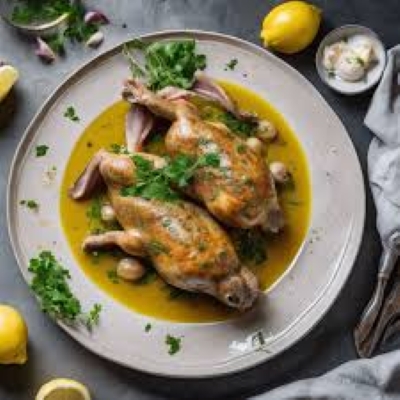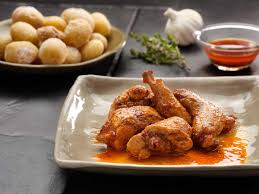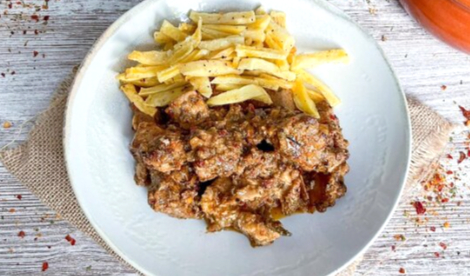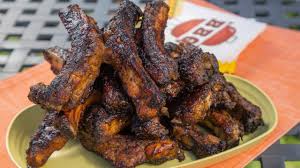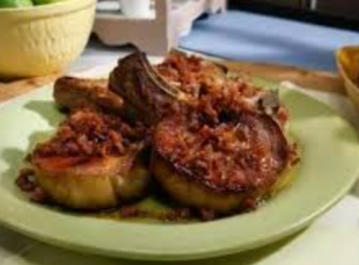
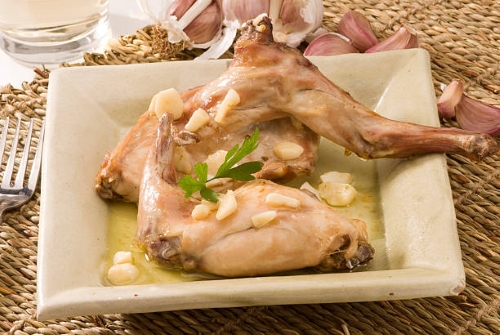
Canarian Garlic Rabbit

Canarian Recipes: Conejo al ajillo canario

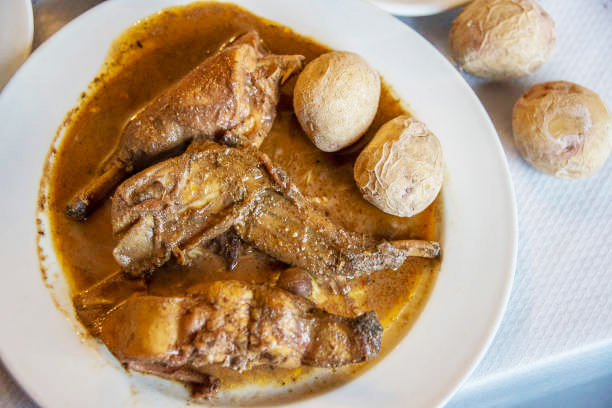
Rabbit in garlic sauce, Canarian style, is a traditional, simple dish, pieces of rabbit fried with plenty of garlic, local white wine, herbs and sometimes a little vinegar, resulting in golden, juicy meat with a rich sauce. 

Ingredients

  • 1 rabbit, cut into pieces
  • flour for coating the rabbit
  • 2 heads of garlic
  • 1 generous teaspoon of sweet paprika
  • 6-8 crushed black peppercorns, optional
  • 1 sprig of thyme
  • 1 sprig of rosemary
  • 2-3 bay leaves
  • 250 ml of white wine
  • 2-4 medium potatoes, chopped, optional
  •  salt
  • olive oil
  • 200ml water or chicken stock

Method

  • Season the rabbit meat with salt and pepper to taste.
  • Coat the pieces of meat in flour.
  • Heat olive oil in a shallow pan
  • Fry the rabbit to get it crispy.
  • Meanwhile, peel the potatoes and roughly chop them.
  • Once the rabbit is cooked through, set it aside.
  • Add the potatoes and cook for about 8 -10 minutes, stirring occasionally to prevent burning.
  • Add the garlic, one or two heads of garlic, separated into cloves.
  • Stir well and let the garlic brown.
  • Add the sprigs of thyme and rosemary, the bay leaf, and the paprika, stir, and then add the reserved rabbit.
  • Add the white wine and let it cook for at least 10 minutes as the alcohol evaporates.
  • Add the water to cover two-thirds of the rabbit and garlic.
  • Over medium heat, let it cook until the sauce has reduced, about 30-45 minutes.
  • Thicken with flour to your taste if needed.
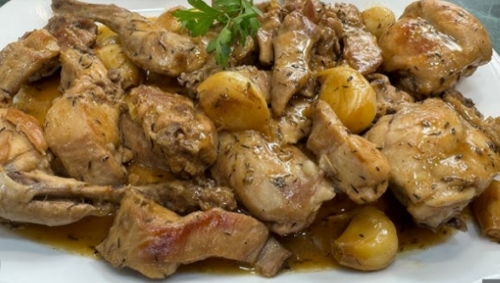
Serve hot with crusty bread.
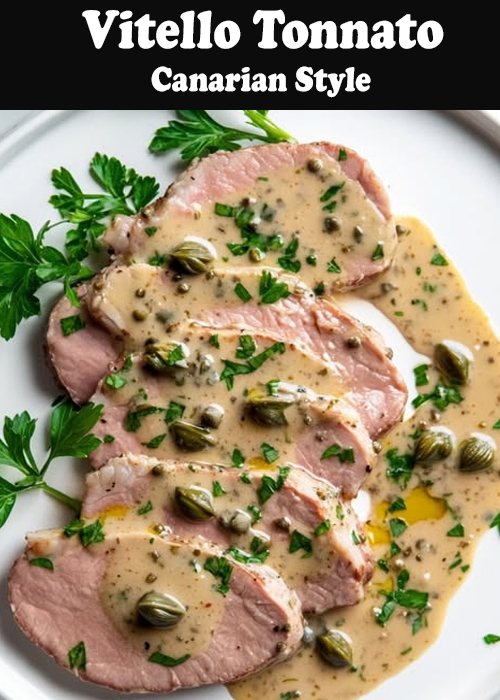
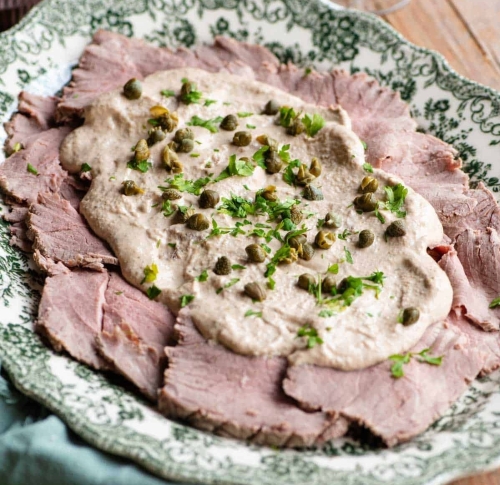
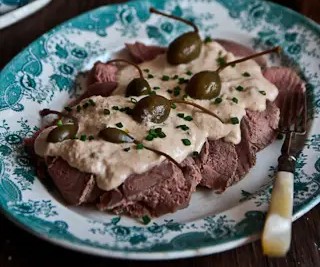
Pork in Tuna Sauce (Vitello Tonnato)

Canarian Recipes: Ternera con Salsa De Atún

Vitello Tonnato Canarian Style
With Pork Fillet, served hot or cold

A classic Italian dish, originally of poached veal, thinly sliced and served with a creamy tuna and caper sauce, perfect for appetizers or light meals. Also works well with beef.

Ingredients

  • 700 g pork fillet
  • 2 tbsp oil
  • 1 carrot, chopped
  • 1 celery stalk, chopped, optional
  • 1 small onion, chopped
  • 100 ml dry white wine
  • 150 ml vegetable broth
    For the Sauce:
  • 200 g canned tuna, drained
  • 3 tbsp mayonnaise
  • 2 tbsp capers
  • 4 anchovy fillets, optional
  • 2 tbsp lemon juice
  • Salt and pepper to taste

Preparation

  1. Heat oil in a pan and sear the pork on all sides and set aside.
  2. Add chopped carrot, celery, and onion.
  3. Pour in white wine and vegetable broth and simmer until reduced by half.
  4. Add back the pork and simmer for 10-15 minutes.
  5. Blend tuna, mayonnaise, capers, anchovies and lemon juice into a smooth sauce.
  6. If serving warm, heat the sauce gently before serving.
  7. Arrange pork slices on a platter and drizzle with tuna sauce.
  8. Garnish with capers and parsley.

Cooking with Beef

For best results cook the beef as a roast, slicing rare or well done to your liking.

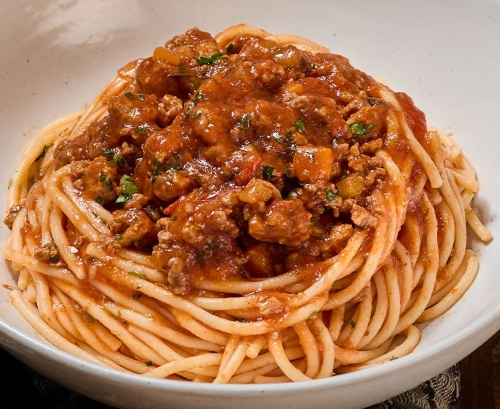
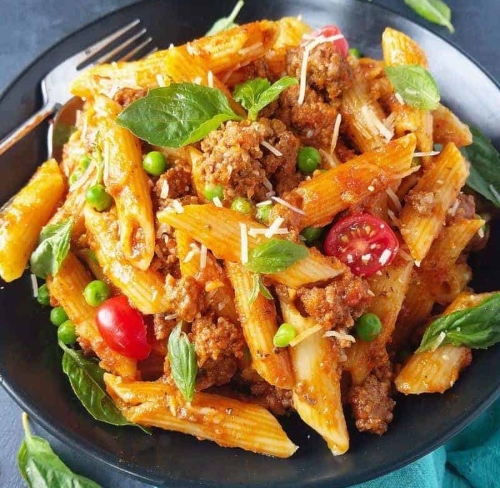
Authentic Spaghetti Bolognese

Spaghetti Bolognese is a popular Italian-inspired dish featuring a rich, slow-cooked minced meat (beef/pork) and tomato-based sauce, traditionally served over spaghetti with Parmesan cheese.

Ingredients

  • 400g ground beef (70-80%)
  • 200g ground pork
  • 1 small carrot
  • 1 small celery stalk
  • 1 medium onion
  • 2 tbsps olive oil
  • 120ml dry red wine (or stock)
  • 2 tbsps tomato paste
  • 500ml tomato puree 
  • salt, black pepper, to taste
  • 1-2 whole bay leaves
  • 120ml whole milk
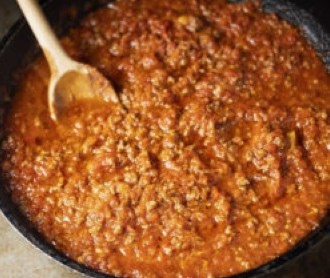
Ragu alla Bolognese

Ragu alla Bolognese (Bolognese Sauce)

Method

  1. Cut the carrot, celery and onion very fine 
  2. In a medium to large heavy pot add the olive oil and chopped vegetables, cook covered on low heat (stirring occasionally) until onion is transparent.
  3. Increase the heat to medium and add the ground beef and pork, stirring as the meat is cooking to break up the pieces.
  4. Once the meat has browned turned the heat up to high and add the wine.
  5. Cook until the alcohol has evaporated (about 20-30 seconds) and the liquid has evaporated.
  6. Decrease the heat to medium/low and add the tomato paste, puree, salt, pepper and bay leaf.
  7. Gradually decrease the heat to the lowest setting cover and let simmer for three hours (the mixture should not boil).
  8. Stir occasionally.
  9. Finally remove the bay leaf and add the milk, simmer for a couple of minutes.
  10. Serve over cooked pasta, fresh or shop bought.

Options

  • Parmesan, fresh or packet
  • Fresh Herbs to dress
  • Halved cherry tomatoes to dress
  • Cooked peas or sweetcorn, to dress
Milk (or cream) is generally added if the pasta you are serving it with is a dry pasta, it is added at the end of the cooking time. But if you are using a fresh egg pasta, such as tagliatelle, adding it is optional.
Originally it was a key ingredient in authentic Bolognese sauce (Ragù alla Bolognese), added to tenderize the meat, cut the acidity of the tomatoes, and create a rich, silky, and creamy texture.
It is typically added as whole milk after the wine is simmered down but before adding or tomatoes then simmered until fully evaporated. 

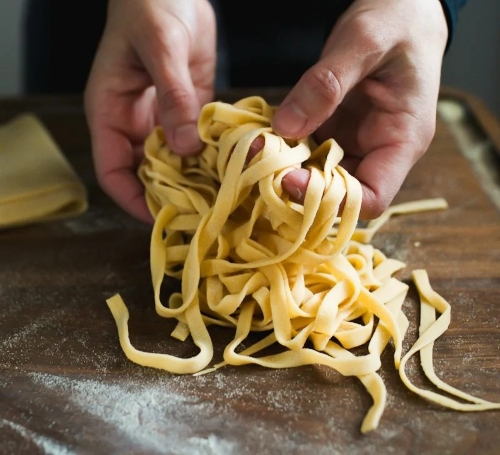
Fresh vs Dried Pasta

In Italy, one is not “better” than the other. They serve different purposes. and knowing when Italians use fresh pasta vs dried pasta will completely change the way you cook.

Fresh Pasta (Pasta Fresca)

  • Made with flour + eggs 
  • Soft, tender texture
  • Cook time: 1–3 minutes
  • Often handmade
  • Higher moisture content
  • Best for delicate, butter-based or creamy sauces

Dried Pasta (Pasta Secca)

  • Made with durum wheat semolina + water
  • No eggs (traditionally)
  • Firm, elastic bite
  • Cook time: 8–12 minutes
  • Best for oil-based or tomato-based sauces
 

What Is The Best Red Wine To Use?

A medium-bodied red wine with a moderate tannins, like a Cabernet Sauvignon, Merlot or Pinot Noir is the best to use. Cooking wine is best avoided unless you know it’s origin. Wine you would drink is always the best choice. At a pinch, you can use white wine?

Storing Ragu alla Bolognese (Bolognese Sauce)

Any leftover sauce should be stored in an airtight container and refrigerated it will keep for up to 5 days in the fridge. The completely cooled sauce can also be frozen for up to 3 months. Thaw the sauce overnight in the fridge. It will look a little 

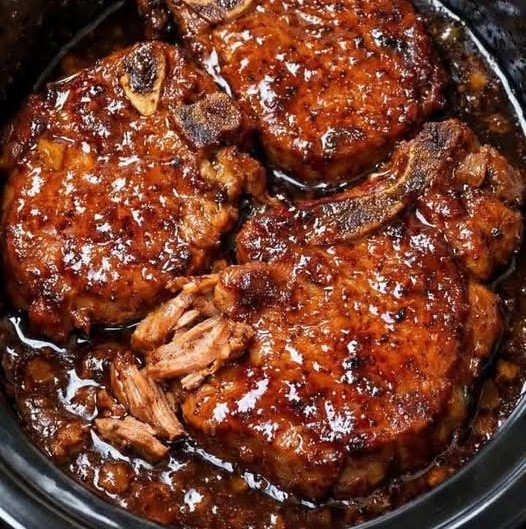
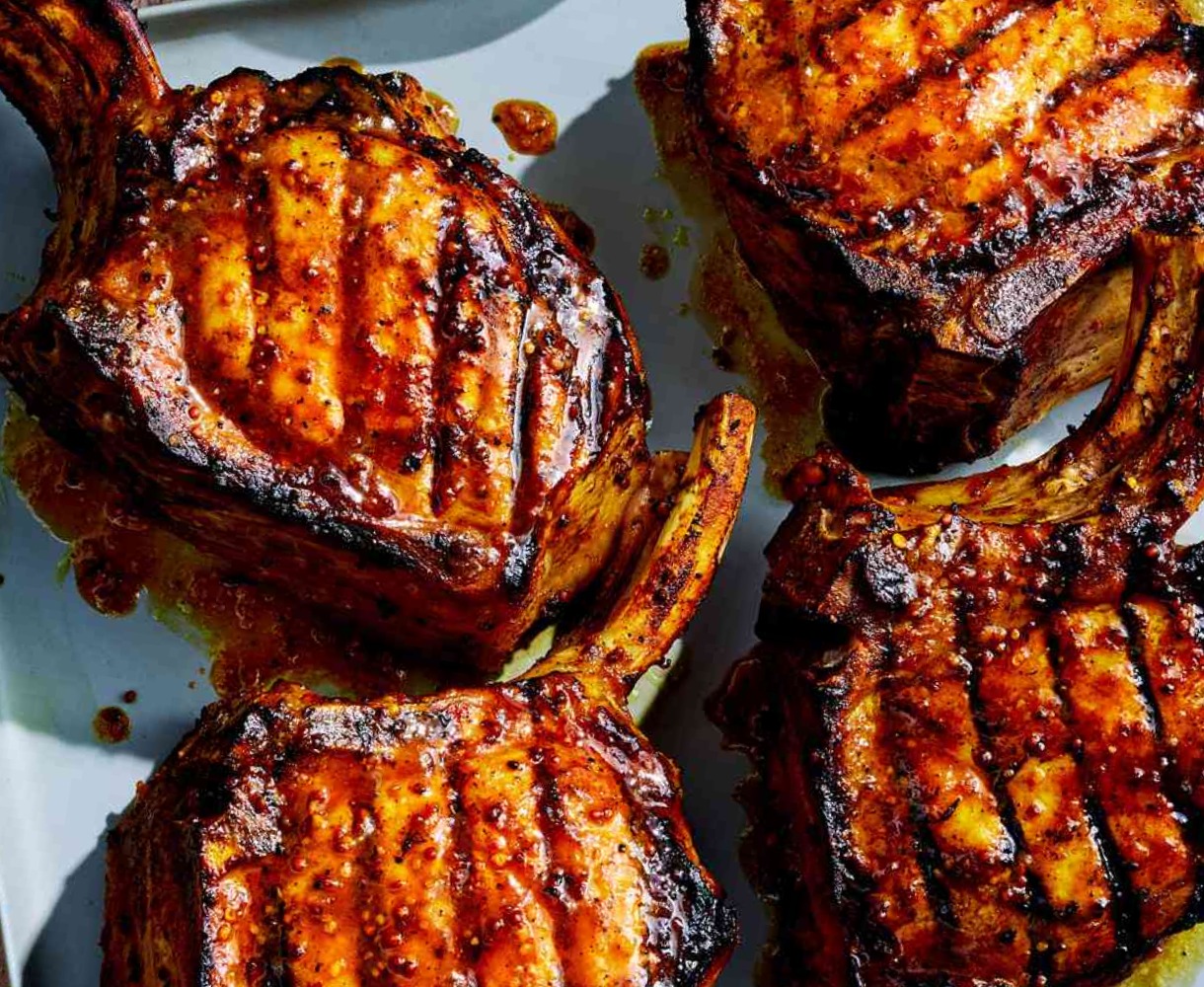
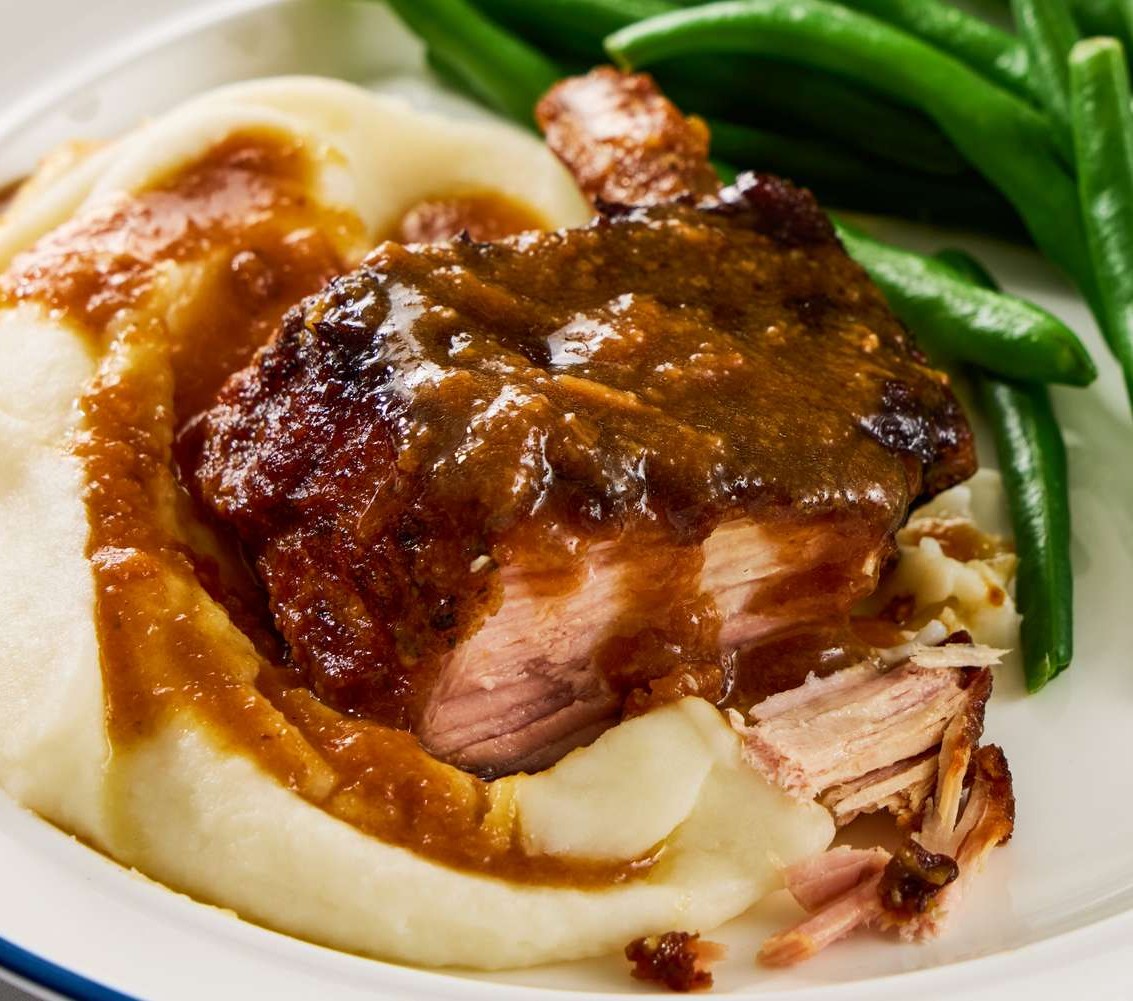
Beer Braised Pork Chops

Beer braised pork chops, simmered with broth and herbs for a hearty dish, is perfect served with seasonal vegetables. Grill or Barbeque to finish (optional).

Ingredients

  • 4 bone-in or boneless pork chops
  • 1 small onion (sliced)
  • 3 cloves garlic (minced)
  • 1 cup brown ale beer
  • ½ cup chicken broth
  • 1 teaspoon garlic powder
  • 1 teaspoon paprika
  • 2 tablespoons olive oil or butter
  • 1 tablespoon mustard
  • 1 tablespoon brown sugar (optional)
  • 1 teaspoon fresh thyme (or ½ tsp dried)
  • salt and black pepper, to taste

Instructions

    1. Pat dry and season both sides of the chops with salt, pepper, garlic powder, paprika.
    2. Heat oil or butter in a large skillet over medium-high heat.
    3. Sear pork chops for 3–4 minutes per side until golden brown.
    4. Remove and set aside.
    5. In the same pan, add sliced onion and cook until softened.
    6. Add garlic and cook for 30 seconds.
    7. Pour in brown ale, scraping up any browned bits from the pan.
    8. Add chicken broth, mustard, brown sugar (if using), and thyme.
    9. Stir and bring to a simmer.
    10. Place pork chops back into the pan.
    11. Spoon sauce over them.
    12. Cover and cook for 10–15 minutes, until pork is cooked through and tender.
    13. Remove chops to grill, BBQ as an alternative.

🍽️ Serving Ideas

  • Mashed potatoes 🥔
  • Rice or buttered noodles 🍝
  • Roasted vegetables 🥦

💡 Tips

Use a good-quality dark ale for deeper flavor
Add mushrooms for an earthy twist 
A splash of cream at the end makes the sauce extra rich

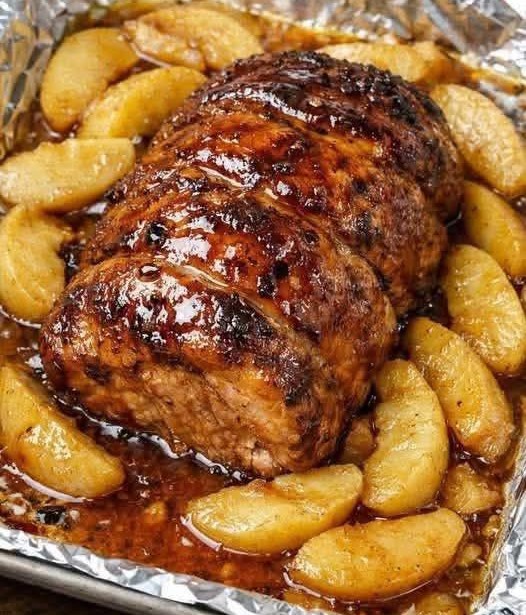
Apple Cider Pork Roast

Four-Ingredient Apple Cider Pork is simply  roasting a seasoned pork loin alongside fresh apple in apple cider, serving with apple wedges or blending into a simple sweet gravy.

Ingredients

  • 500-750g pork loin or shoulder roast
  • savory dry rub
  • 3–4  apples peeled and cut into thick wedges
  • 300-400ml cider
  • soaked peppercorns, optional

The Rub

  • brown sugar
  • salt
  • pepper
  • garlic powder

Optional Gravy

  • 1 extra apple quartered around pork
  • 50ml brandy
  • 200ml beef broth
  • corn flour in 1 tbsp cider to thicken

Instructions

  1. Rub the pork roast generously on all sides with your seasoning rub.
  2. Place the pork in the center of the pan and surround it with the apple wedges.
  3. Pour the cider into the bottom of the pan.
  4. Bake at 180°c for 60–90 minutes (depending on weight).
  5. Spoon the cider juices over the pork and apples every 15-20 minutes.
  6. Serve the roast whole on the tray, surrounded by the caramelized apples and pan juices.
  7. Allow the meat to rest for 10 minutes before slicing to ensure it remains juicy.

Optional Gravy

  1. 5 minutes or so before the pork is finished, remove apple for gravy.
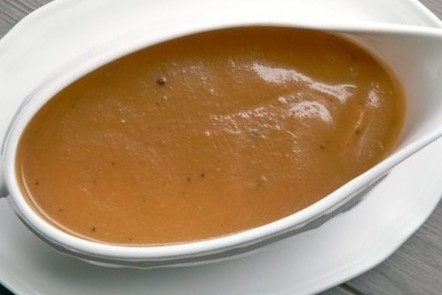
  2. Blend with the broth. and heat in a small pan.
  3. Reduce the heat and add the corm flour and brandy.
  4. Stir until thickened, lower the heat till ready to serve.

Spinach and Feta Chicken Rolls

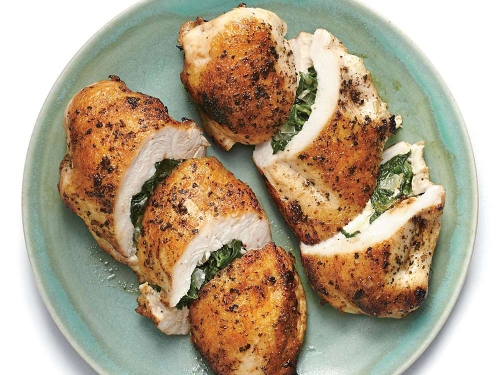
This spinach and feta stuffed chicken breast is super easy! Cut a slit in the chicken and fill with a mixture of feta and seasonings. You won’t believe how moist & juicy this 30-minute dish is! 

Ingredients

  1. 4 chicken breasts1 tablespoon oil
  2. 1 onion, finely chopped
  3. 1 cloves garlic, minced
  4. 5 ounces fresh spinach, chopped
  5. 1/2 cup crumbled feta cheese
  6. 1/4 cup sun-dried tomatoes, chopped
  7. Salt and pepper to taste
  8. Toothpicks for securing, soaked

Directions

  1. Preheat oven to 375°F (190°C).
  2. Carefully butterfly each chicken breast and pound to even thickness.
  3. Heat the oil over medium heat. Add chopped onion and garlic, and sauté until onion is translucent.
  4. Add chopped spinach to the skillet, and cook until wilted. Remove from heat and let cool slightly.
  5. In a bowl, mix together the cooked spinach mixture, feta cheese, and sun-dried tomatoes.
  6. Season with salt and pepper to taste.
    Spoon the spinach and feta mixture onto each chicken breast and roll tightly, securing with toothpicks.
  7. Place the stuffed chicken breasts in a baking dish, seam side down.
  8. Bake in preheated oven for 25-30 minutes, or until chicken is cooked through and juices run clear.
  9. Garnish with your choice of herbs and sun dried tomatoes.(optional)

Takeout-Style Kung Pao Chicken

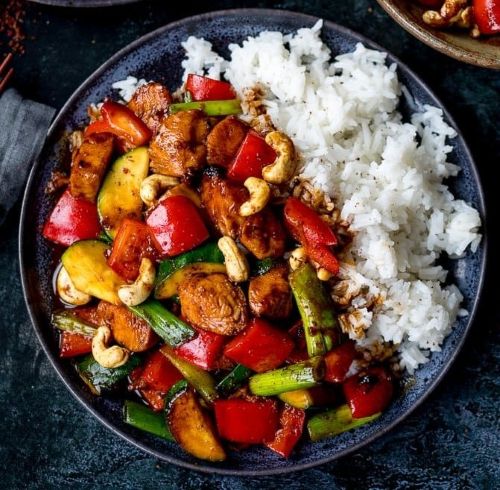
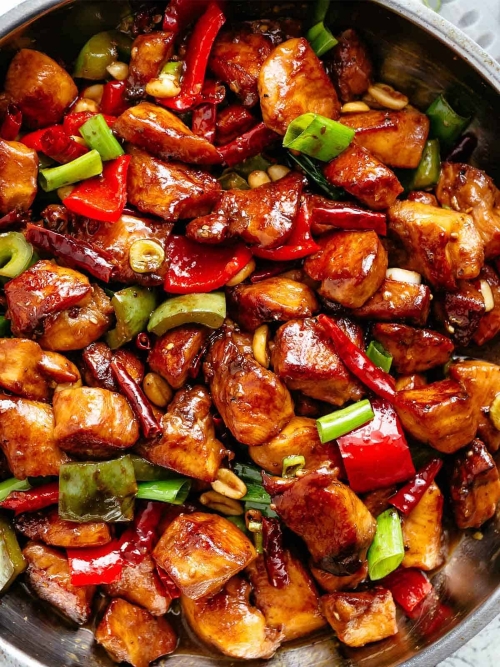
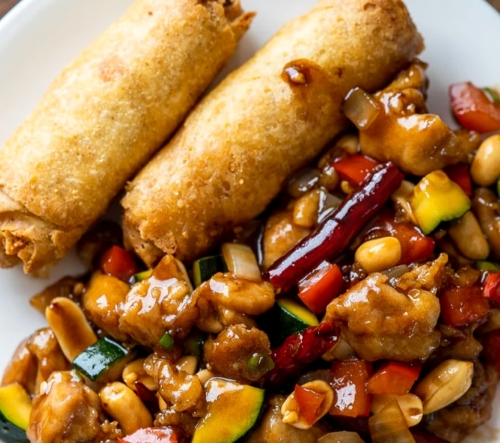
A deliciously spicy stir fry with marinated chicken, stir-fried peppers, roasted peanuts and a sweet, sour, savory sauce for takeout-style kung pao chicken.

Ingredients

For the Marinade/Sauce:

  • 100ml chicken broth (or water)
  • 50 ml soy sauce
  • 1 crushed garlic clove
  • 2 tbsps black rice or balsamic vinegar
  • 1 tbsp Shaoxing wine or dry white wine
  • 2 tsps cornstarch
  • 1 tbsp brown sugar
  • 1 tsp sesame oil or vegetable oil
  • 1 pinch salt
  • 1 pinch ground black pepper

For the Stir Fry:

  • 750g chicken, cut into 3/4-inch chunks
  • 1 large green pepper or zucchini, chopped
  • 1 large red bell pepper, chopped
  • 1 small onion, chopped, or spring onions
  • 2 tsp ginger, chopped, or 1/2 tsp of ground ginger
  • 1 garlic clove, chopped
  • 1/2 cup peanuts, salted

Directions

For the Sauce and Marinade:

Combine stock, garlic, soy sauce, wine, vinegar, sugar, oil, salt, and pepper in a bowl.
Dissolve the corn flour in a little cold chicken stock ready for the sauce, stirring just before use.

For the Chicken:

Combine chicken with 3 or 4 tablespoons of the marinade. Set aside for at least 30 minutes.
It can be marinaded longer, even overnight, but the longer it marinades the longer it will take to flash fry to golden brown.

For the Stir-Fry:

    1. Start your rice cooking a few minutes before.
    2. Heat 1 tablespoon oil in a wok over high heat until smoking.
    3. Add chicken, spread into a single layer, and cook without moving until lightly browned, about 1-2 minutes, longer if lengthy marinade.
    4. Continue cooking, tossing and stirring frequently, until the exterior is opaque but chicken is still slightly raw in the center, about 2 minute longer.
    5. Transfer to a clean bowl and set aside.
    6. Wipe out wok and heat remaining 2 tablespoons oil over high heat until smoking.
    7. Add bell peppers and onion and cook, stirring and tossing occasionally, until brightly colored and browned in spots, about 1 minute.
    8. Add peanuts and toss to combine.
    9. Return chicken to wok and toss to combine.
    10. Stir the corn flour, add to the sauce, then add to wok. Cook, tossing, until sauce thickens and coats ingredients and chicken is cooked through.
    11. Serve immediately.

Some Useful Chinese Condiments

Excellent info here 

  • Light soy sauce
  • Dark Soy Sauce
  • Black Rice Vinegar
  • Shaoxing Rice Wine
  • Oyster Sauce
  • Sesame oil
  • Five Spice Powder
  • Sichuan Pepper
  • White pepper
  • Cornstarch

Essential Chinese sauces and condiments include soy sauce (light and dark), oyster sauce, hoisin, sesame oil, and Shaoxing cooking wine. These ingredients provide the foundational umami, saltiness, sweetness, and aroma necessary for most Chinese dishes.

Umami is the “fifth basic taste” alongside sweet, sour, bitter, and salty, characterized as a savory, deep flavor.

Shaoxing wine is one of the highest payoff pantry staples you can own: a tiny splash transforms marinades, sauces, and meats/fish/seafood. A small bottle lasts ages since you only use a tablespoon or two at a time — it’ll last pretty much indefinitely in the fridge once opened. The best substitutes for Shaoxing wine are dry sherry (most similar in flavor) or dry white wine. Use these in a 1:1 ratio.


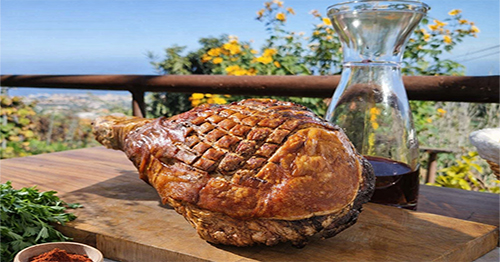
Canarian-Style Roasted Pork Leg

Canarian Recipes: Pierna De Cerdo Asada Al Estilo Canario

The Canarian roasted leg is one of those dishes that evoke festivities, market Sundays, and gatherings around a table full of food. With its crispy skin, juicy meat, and a marinade of garlic, cumin, and oregano that tastes of tradition, it has secured a place at celebrations, roadside taverns, and late-night sandwiches.

Ingredients

  • 1 leg of pork (hind or fore, approx. 3–5 kg)
  • 8–10 cloves of garlic
  • 1 tablespoon of cumin
  • 1 tablespoon of oregano
  • 1 tablespoon of paprika
  • Coarse salt
  • Black pepper
  • 1 glass of white wine
  • 1 glass of stock or water
  • Olive oil
  • 2 bay leaves
  • Optional: thyme or rosemary

Preparing the Marinade

Mash the garlic with salt, cumin, oregano, paprika, and pepper.
Add a good splash of olive oil and a little wine until you form a paste.

Marinate the Leg

Make deep cuts in the skin and meat.
Rub the marinade all over the leg, ensuring it gets into the cuts.
Place the bay leaves on top.
Cover and let it rest for at least 12 hours in the fridge (24 hours is better).

Roasting

Preheat the oven to 180°C.
Place the leg in a large roasting tray, add the remaining wine and the glass of stock or water to the bottom.
Cover with aluminium foil.

Slow Roasting

Roast for 2.5 to 3 hours (depending on size), basting occasionally with its juices.
Remove the foil to crisp the skin.

Final Stages

Increase the Temperature
Raise the oven temperature to 220°C.
Roast for an additional 20–30 minutes until the skin is nice and crispy.
If it browns too quickly, lower the temperature slightly or cover it partially.

How to Serve

  • Sliced thinly with wrinkled potatoes and mojo
  • Shredded for market sandwiches
  • Drizzled with the roasting juices (liquid gold)

Tips

If you want extra crispy skin: dry it well with paper before marinating.
Marinating time is key: the longer it rests, the more flavour it develops.
The next day, it’s even better for sandwiches.


Salmorejo Rabbit

Canarian Recipes: Conejo en Salsa de Salmorejo

Rabbit in salmorejo is one of the most iconic dishes in Canarian cuisine, particularly in Tenerife, where it is a staple at popular festivities, pilgrimages, and family gatherings.

Its intense and aromatic flavour derives from salmorejo, a blend of garlic, spices, wine, and vinegar that is marinated for hours to infuse the meat. This simple recipe, passed down through generations, embodies resourceful cooking and the festive spirit of the islands. 

Ingredients
(Serves 4–6)

  • 1 chopped rabbit
  • 1 head of garlic
  • 2–3 palm peppers (or dried chillies)
  • 1 tablespoon sweet paprika 
  • 1 teaspoon whole cumin seeds
  • 1 bay leaf
  • 1 small glass of dry white wine
  • 1 small glass of wine vinegar
  • Coarse salt
  • Dried oregano
  • Extra virgin olive oil

For the Salmorejo crush:

  • Peeled garlic
  • Cumin
  • Palm peppers
  • Coarse salt
  • Add the paprika, oregano, vinegar, and white wine.
  • Mix well and incorporate a good splash of olive oil until it becomes a thick and aromatic sauce.

Marination (Very Important)

  1. Place the rabbit in a large bowl.
  2. Add the salmorejo, bay leaf, and mix well.
  3. Cover and let marinate for at least 8 hours; ideally, overnight in the refrigerator.
  4. The longer it rests, the more flavour it develops.

Cooking Steps

  1. Remove the pieces of rabbit (set aside the salmorejo).
  2. Fry them in plenty of hot oil until golden brown.
  3. Return the rabbit to the pan or stew pot and add the reserved salmorejo.
  4. Cook over medium-low heat for about 15–20 minutes until the sauce reduces and the rabbit becomes tender.

Party Tips (as Done in Tenerife)
Many prepare this dish the day before: reheating it enhances the flavours.
If you prefer it milder, add a bit of broth or water at the end.
At pilgrimages, it is often served cold or lukewarm.

Canarian Fiesta Pork

Canarian Recipes: Carne Fiesta

Fiesta meat is a traditional dish that is very popular in Tenerife. It consists of pork or sometimes beef,  usually lean meat, chops or ribs, which is marinated and then fried. It is commonly served at pilgrimages, local festivals and guachinches.

Ingredients
(Serves 4)

  • 1 kg of pork (chops,  chunks of lean meat or ribs)
  • 6–8 cloves of garlic
  • 1 tablespoon of sweet paprika
  • 1 teaspoon of dried oregano
  • ½ teaspoon of cumin
  • 2–3 bay leaves
  • 150 ml of dry white wine
  • 2 tablespoons of vinegar
  • Salt to taste
  • Olive or sunflower oil (for frying)

Preparing the Marinade
In a mortar (or blender), crush:

  • The garlic
  • The salt
  • The cumin
  • The oregano
  • Add the paprika, vinegar, and white wine.
  • Mix well until you have a fragrant marinade.

Marinating the Meat

  1. Place the meat in a large bowl. Add the marinade and bay leaves.
  2. Mix thoroughly to ensure all the meat is well coated.
  3. Cover and let it rest for at least 4 hours Ideally overnight in the fridge
  4. The longer it marinates, the more flavour it will have.

Cooking the Meat
Traditional method (commonly used in guachinches):

  1. Put the meat with all the marinade into a large frying pan or pot.
  2. Cook over medium heat until the liquid evaporates and the meat is tender
  3. Add a generous splash of oil. Fry the meat until it is well browned.