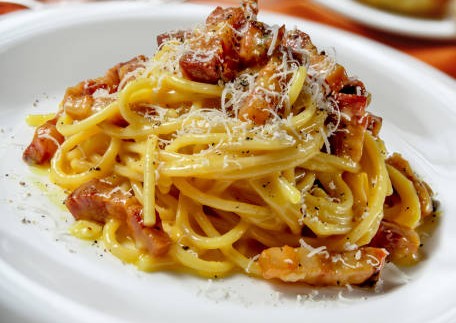
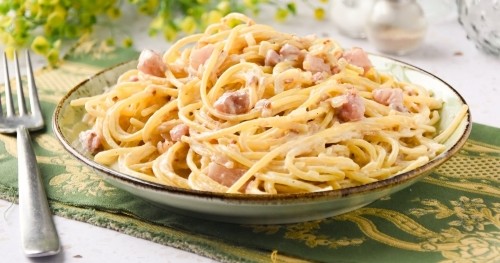
Creamy Pasta Carbonara

Pasta alla carbonara is easy to make with 4 classic ingredients and many optional variations, pancetta (pork belly) is often replaced with cream and/or cheese.
Ingredients

  • 500 g spaghetti or other pasta
  • 1-2 eggs
  • 100g parmesan cheese grated
  • 100g pancetta or fatty bacon (smoked if you like)
  • 100-150ml cream, optional
  • 10-15g fresh chopped parsley, optional
  • Cheese, herbs to serve, optional

Method

  1. Cook pasta according to directions in salted water until al dente. 
  2. Meanwhile, mix together the 2 eggs, parmesan cheese salt, pepper and parsley (if using) in a small bowl, creating a paste-like consistency.
  3. Cook the pancetta or bacon over medium high heat until meat is browned and fat is rendered.
  4. Add the hot pasta to the pancetta and turn heat to low.
  5. Stir for one minute until pasta is covered then add the egg and cheese mixture, stirring for another minute
  6. Add water (or cream) until you have a nice, creamy consistency that sticks to every noodle.
  7. Serve garnished with extra herbs, parmesan, and black pepper.

Is Pancetta the Same as Bacon?

  • Pancetta is often called “Italian bacon” because it comes from the same pork belly cut.
  • While both are cured, pancetta is generally salt-cured and unsmoked. 
  • Pancetta is savory, delicate and salty whereas bacon is more robust and often smoky.
  • Due to its fatty nature, pancetta is often used to start pasta sauces (like Carbonara) or in soups.
  • While you can usually use them interchangeably, the flavor of your dish will change.

What Type of Pasta

Pasta comes in all shapes, long (spaghetti, linguine, fettuccine), short (penne, rigatoni, fusilli), stuffed (ravioli, tortellini), and pastina (tiny soup shapes). They are matched to sauces based on texture: thin sauces pair best with delicate, long strands, while chunky, heavy sauces cling to ridges and hollow tubes.
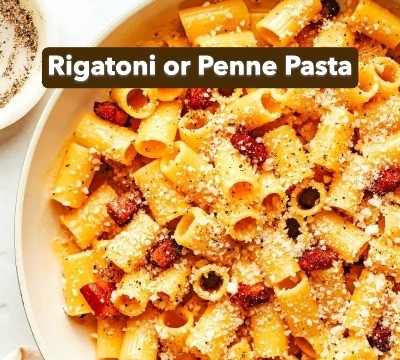
Rigatoni
With its long tubular shape and ribboned edges, this pasta is especially sturdy and perfect for catching sauce. Use it in hearty winter dishes and baked specialties.

Penne
Penne is essentially a smaller version of rigatoni. This makes it a good fit for lighter, tomato-based sauces such as vodka or marinara.

Fresh vs Dried Pasta

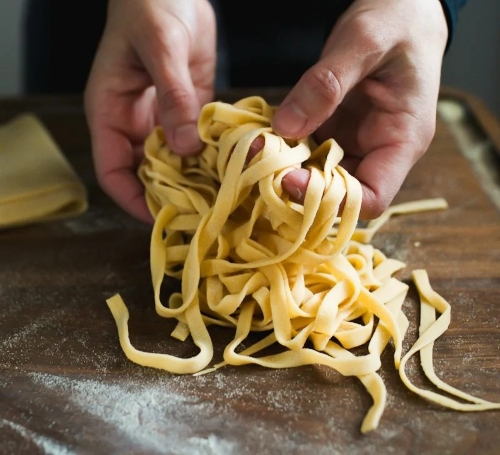
In Italy, one is not “better” than the other. They serve different purposes. and knowing when Italians use fresh pasta vs dried pasta will completely change the way you cook.

Fresh Pasta (Pasta Fresca)

  • Made with flour + eggs 
  • Soft, tender texture
  • Cook time: 1–3 minutes
  • Often handmade
  • Higher moisture content
  • Best for delicate, butter-based or creamy sauces

Dried Pasta (Pasta Secca)

  • Made with durum wheat semolina + water
  • No eggs (traditionally)
  • Firm, elastic bite
  • Cook time: 8–12 minutes
  • Best for oil-based or tomato-based sauces
 

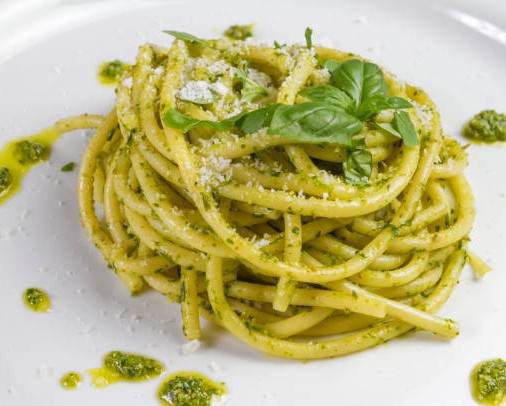
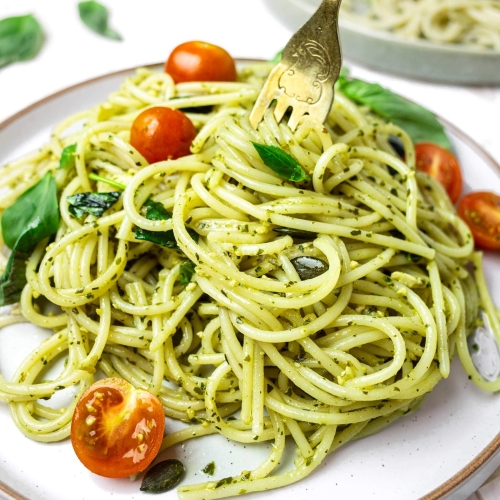
Easy Pesto Spaghetti

Spaghetti al Pesto is one of the most iconic recipes in Italian cuisine. Renowned for its fresh and aromatic flavours, this dish combines the tenderness of pasta with the intensity of pesto sauce, traditionally made with fresh basil, pine nuts, garlic, cheese, and olive oil.

Ingredients

  • 400 g spaghetti
  • 20-30g fresh basil leaves
  • 120ml olive oil
  • 2 garlic cloves
  • 2-3g Parmesan cheese
  • 6 cherry tomatoes, optional
  • 20g walnuts, broken, or pine nuts
  • Salt, black pepper, to taste

Ragu alla Bolognese (Bolognese Sauce)

Method

  1. Cook the spaghetti in salted water.
  2. Blend the basil, oil, garlic, nuts, and cheese.
  3. Combine the pesto sauce with the hot spaghetti.
  4. Serve immediately.

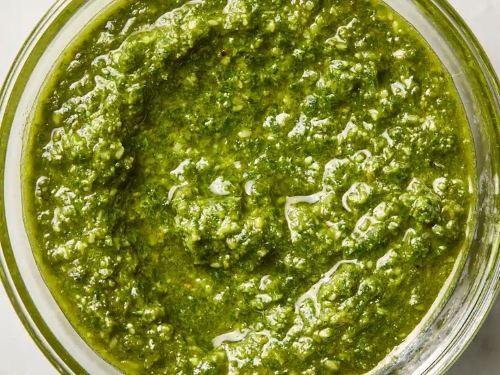
Pesto Sauce

You can increase quantities to make additional sauce. Pine nuts are the “real deal” but use walnuts or almonds if you prefer. Homemade basil pesto sauce will keep in an air tight container in the refrigerator for up to one week. It’s also freezer-friendly in an air tight container for up to 3 months. Place in the refrigerator to thaw overnight and reheat gently.

Fresh vs Dried Pasta

In Italy, one is not “better” than the other. They serve different purposes. and knowing when Italians use fresh pasta vs dried pasta will completely change the way you cook.

Fresh Pasta (Pasta Fresca)

  • Made with flour + eggs 
  • Soft, tender texture
  • Cook time: 1–3 minutes
  • Often handmade
  • Higher moisture content
  • Best for delicate, butter-based or creamy sauces

Dried Pasta (Pasta Secca)

  • Made with durum wheat semolina + water
  • No eggs (traditionally)
  • Firm, elastic bite
  • Cook time: 8–12 minutes
  • Best for oil-based or tomato-based sauces
 

Authentic Spaghetti Bolognese

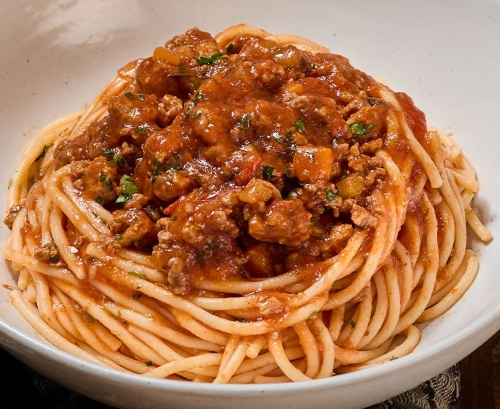
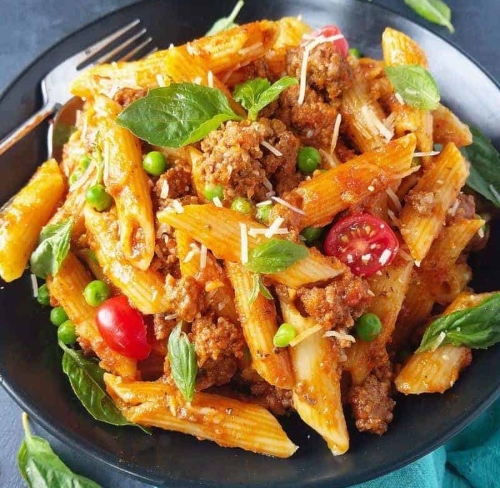
Spaghetti Bolognese is a popular Italian-inspired dish featuring a rich, slow-cooked minced meat (beef/pork) and tomato-based sauce, traditionally served over spaghetti with Parmesan cheese.

Ingredients

  • 400g ground beef (70-80%)
  • 200g ground pork
  • 1 small carrot
  • 1 small celery stalk
  • 1 medium onion
  • 2 tbsps olive oil
  • 120ml dry red wine (or stock)
  • 2 tbsps tomato paste
  • 500ml tomato puree 
  • salt, black pepper, to taste
  • 1-2 whole bay leaves
  • 120ml whole milk
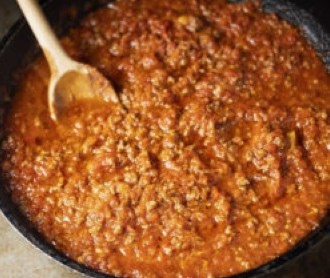
Ragu alla Bolognese

Ragu alla Bolognese (Bolognese Sauce)

Method

  1. Cut the carrot, celery and onion very fine 
  2. In a medium to large heavy pot add the olive oil and chopped vegetables, cook covered on low heat (stirring occasionally) until onion is transparent.
  3. Increase the heat to medium and add the ground beef and pork, stirring as the meat is cooking to break up the pieces.
  4. Once the meat has browned turned the heat up to high and add the wine.
  5. Cook until the alcohol has evaporated (about 20-30 seconds) and the liquid has evaporated.
  6. Decrease the heat to medium/low and add the tomato paste, puree, salt, pepper and bay leaf.
  7. Gradually decrease the heat to the lowest setting cover and let simmer for three hours (the mixture should not boil).
  8. Stir occasionally.
  9. Finally remove the bay leaf and add the milk, simmer for a couple of minutes.
  10. Serve over cooked pasta, fresh or shop bought.

Options

  • Parmesan, fresh or packet
  • Fresh Herbs to dress
  • Halved cherry tomatoes to dress
  • Cooked peas or sweetcorn, to dress
Milk (or cream) is generally added if the pasta you are serving it with is a dry pasta, it is added at the end of the cooking time. But if you are using a fresh egg pasta, such as tagliatelle, adding it is optional.
Originally it was a key ingredient in authentic Bolognese sauce (Ragù alla Bolognese), added to tenderize the meat, cut the acidity of the tomatoes, and create a rich, silky, and creamy texture.
It is typically added as whole milk after the wine is simmered down but before adding or tomatoes then simmered until fully evaporated. 

Fresh vs Dried Pasta

In Italy, one is not “better” than the other. They serve different purposes. and knowing when Italians use fresh pasta vs dried pasta will completely change the way you cook.

Fresh Pasta (Pasta Fresca)

  • Made with flour + eggs 
  • Soft, tender texture
  • Cook time: 1–3 minutes
  • Often handmade
  • Higher moisture content
  • Best for delicate, butter-based or creamy sauces

Dried Pasta (Pasta Secca)

  • Made with durum wheat semolina + water
  • No eggs (traditionally)
  • Firm, elastic bite
  • Cook time: 8–12 minutes
  • Best for oil-based or tomato-based sauces
 

What Is The Best Red Wine To Use?

A medium-bodied red wine with a moderate tannins, like a Cabernet Sauvignon, Merlot or Pinot Noir is the best to use. Cooking wine is best avoided unless you know it’s origin. Wine you would drink is always the best choice. At a pinch, you can use white wine?

Storing Ragu alla Bolognese (Bolognese Sauce)

Any leftover sauce should be stored in an airtight container and refrigerated it will keep for up to 5 days in the fridge. The completely cooled sauce can also be frozen for up to 3 months. Thaw the sauce overnight in the fridge. It will look a little 

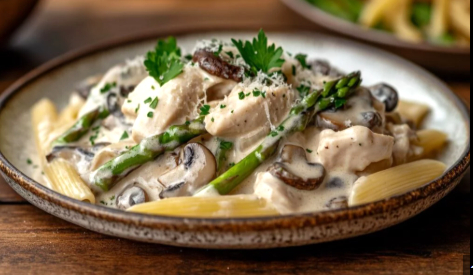
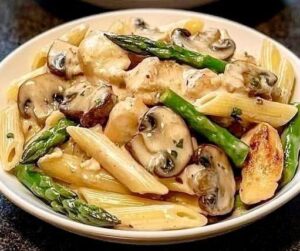
Chicken, Mushroom & Asparagus Penne

  • 340g penne pasta
  • 2 chicken breasts, cut into bite-sized pieces1
  • 60g mushrooms, sliced
  • 150g asparagus, cut into 1-inch pieces
  • 120ml double cream
  • 100g grated Parmesan cheese
  • Salt and pepper to taste

  1. Cook penne pasta according to package instructions.
  2. Cook chicken, mushrooms, and asparagus in oil, until chicken is cooked through.
  3. Add the cream, slowly, Parmesan cheese and seasoning and simmer until sauce thickens.
  4. Combine cooked pasta, chicken, and sauce. Season with salt and pepper to taste.
  5. Serve hot, garnished with parsley or basil leaves (optional).