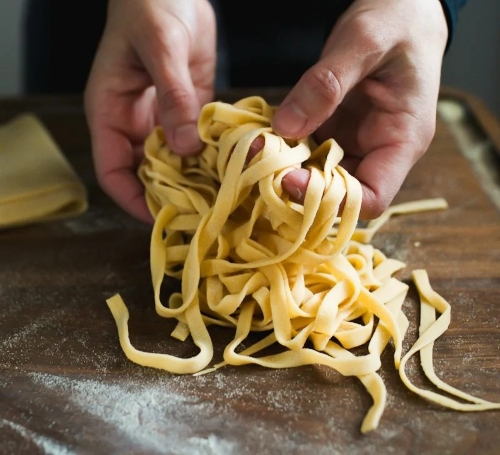
Pasta alla carbonara is easy to make with 4 classic ingredients and many optional variations, pancetta (pork belly) is often replaced with cream and/or cheese.
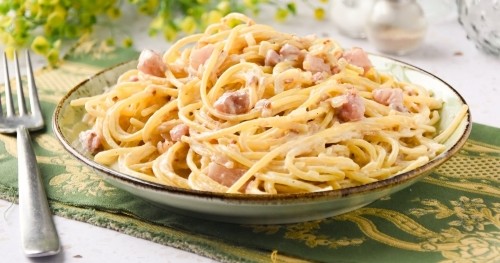
Ingredients
- 500 g spaghetti or other pasta
- 1-2 eggs
- 100g parmesan cheese grated
- 100g pancetta or fatty bacon (smoked if you like)
- 100-150ml cream, optional
- 10-15g fresh chopped parsley, optional
- Cheese, herbs to serve, optional
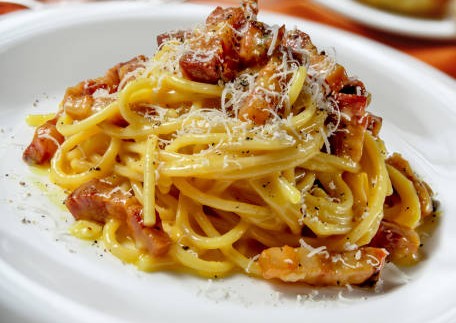
Method
- Cook pasta according to directions in salted water until al dente.
- Meanwhile, mix together the 2 eggs, parmesan cheese salt, pepper and parsley (if using) in a small bowl, creating a paste-like consistency.
- Cook the pancetta or bacon over medium high heat until meat is browned and fat is rendered.
- Add the hot pasta to the pancetta and turn heat to low.
- Stir for one minute until pasta is covered then add the egg and cheese mixture, stirring for another minute
- Add water (or cream) until you have a nice, creamy consistency that sticks to every noodle.
- Serve garnished with extra herbs, parmesan, and black pepper.
Is Pancetta the Same as Bacon?
- Pancetta is often called “Italian bacon” because it comes from the same pork belly cut.
- While both are cured, pancetta is generally salt-cured and unsmoked.
- Pancetta is savory, delicate and salty whereas bacon is more robust and often smoky.
- Due to its fatty nature, pancetta is often used to start pasta sauces (like Carbonara) or in soups.
- While you can usually use them interchangeably, the flavor of your dish will change.
What Type of Pasta
Pasta comes in all shapes, long (spaghetti, linguine, fettuccine), short (penne, rigatoni, fusilli), stuffed (ravioli, tortellini), and pastina (tiny soup shapes). They are matched to sauces based on texture: thin sauces pair best with delicate, long strands, while chunky, heavy sauces cling to ridges and hollow tubes.
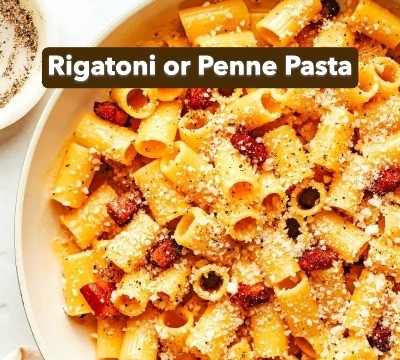
Rigatoni
With its long tubular shape and ribboned edges, this pasta is especially sturdy and perfect for catching sauce. Use it in hearty winter dishes and baked specialties.
Penne
Penne is essentially a smaller version of rigatoni. This makes it a good fit for lighter, tomato-based sauces such as vodka or marinara.
Fresh vs Dried Pasta
In Italy, one is not “better” than the other. They serve different purposes. and knowing when Italians use fresh pasta vs dried pasta will completely change the way you cook.
Fresh Pasta (Pasta Fresca)
- Made with flour + eggs
- Soft, tender texture
- Cook time: 1–3 minutes
- Often handmade
- Higher moisture content
- Best for delicate, butter-based or creamy sauces
Dried Pasta (Pasta Secca)
- Made with durum wheat semolina + water
- No eggs (traditionally)
- Firm, elastic bite
- Cook time: 8–12 minutes
- Best for oil-based or tomato-based sauces