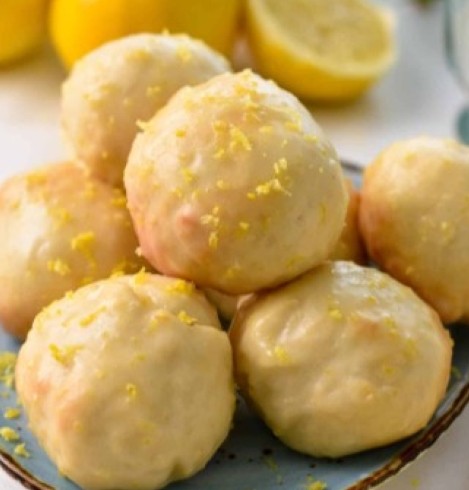
Canarian Coconut Macaroons

Canarian Recipes: Cocadas de Turronera

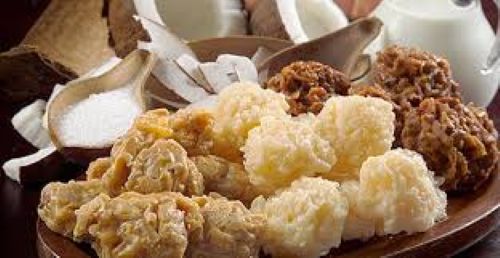
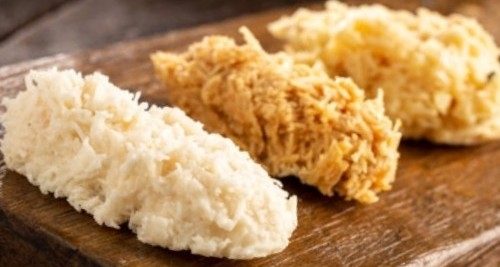
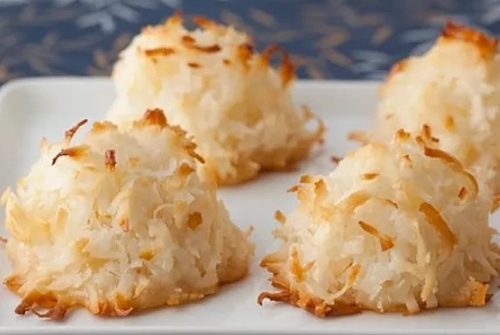
Cocadas de Turronera are a traditional sweet delicacy highly popular in the Canary Islands, especially during festivities and pilgrimages. They are made from grated coconut and a base of syrup or honey, which gives them a compact and shiny texture.

Ingredients

  • 250 g of grated coconut
  • 200 g of sugar
  • 2 eggs
  • 1 teaspoon of lemon zest
  • 1 teaspoon of vanilla essence (optional)
  • A pinch of cinnamon
  • Butter or baking parchment for the tray
Method

  1. Preheat the oven to 180 °C.
  2. In a bowl, whisk the eggs with the sugar until the mixture becomes slightly frothy.
  3. Add the lemon zest, vanilla, and cinnamon.
  4. Gradually incorporate the grated coconut and mix until a moist and mouldable dough forms.
  5. Shape small mounds or balls using two spoons or your hands (dipped in water).
  6. Place them on a tray lined with baking parchment.
  7. Bake for 12 to 18 minutes, until golden on the outside.
  8. Allow them to cool before serving.

Tips

  • Add:
    A touch of honey,
    Ground almonds, or
    Lightly burnt sugar for a toastier finish.
    They can also be made on small wafers to prevent sticking.

  • For a pastry shop finish:
    Use finely grated coconut,
    Let the mixture rest for 15 minutes before baking, and
    Bake with top and bottom heat without a fan.
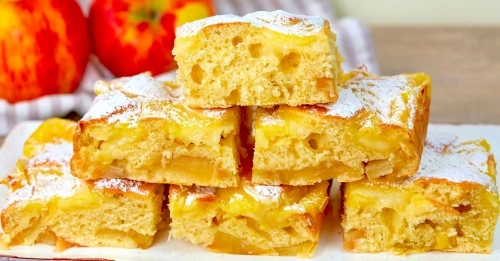
 

Apple Cinnamon Pudding Cake


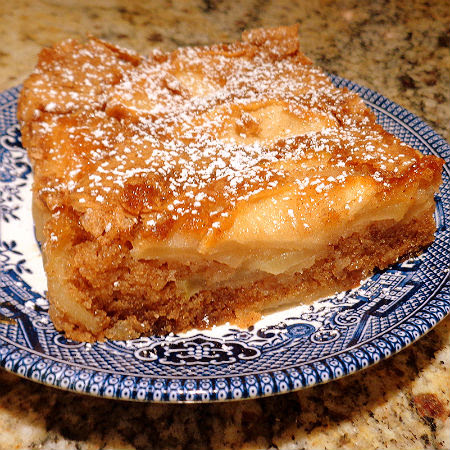
Easy to make, irresistibly moist and bursting with the flavors of sweet apples, cinnamon, and topped with icing or brown sugar. Quick and easy anytime.

Easy Lemon Dessert Sauce

Ingredients

  • 100g all-purpose flour
  • 80g granulated sugar
  • 3 eggs
  • 3 apples
  • 80g room temp butter
  • 1 lemon
  • cinnamon, a pinch
  • baking powder, 1/2 sachet
  • powdered sugar to taste
  • 1/4 teaspoon vanilla extract (optional)
  • Butter or baking paper for the tin

Method

  1. Wash, dry and peel the apples.
  2. Cut them into 4 wedges and remove the core.
  3. Slice them thinly, put them in a bowl, sprinkling them with lemon juice.
  4. In a second  bowl, mix the butter at room temperature with the sugar until creamy; then add the eggs, one at a time.
  5. Add the flour, baking powder, grated lemon zest, and a pinch of cinnamon to the mixture.
  6. Add the apple slices and mix with a spatula.
  7. Line a 15x20cm baking dish with a sheet of baking paper, wet and wrung out. Pour in the mixture and level it with a spatula.
  8. Bake in a static oven at 350°F/180°C (air fryer 160°C ) for about 30 minutes, until the surface of the cake appears slightly puffed and golden.
  9. Remove from the oven and let cool. Then sprinkle with powdered sugar and serve.

Tips

  • Sprinkle with brown sugar for a darker crispier finish.
  • The apple pudding cake can be stored in the refrigerator, wrapped in cling film, for 2-3 days.
  • Freezing is not recommended.


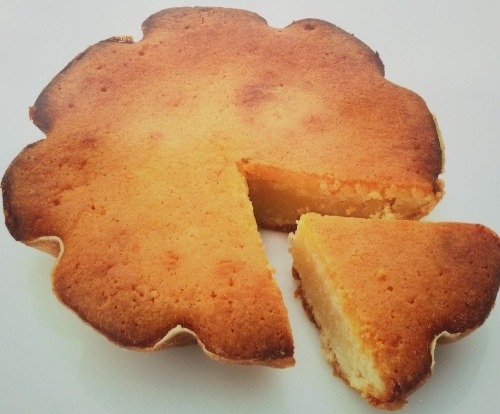
El Hierro Cheese Quesadillas

Canarian Recipes: Herreñas Quesadillas

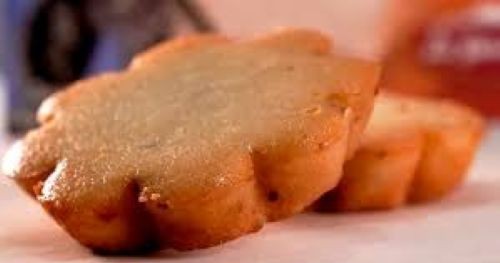
A typical dessert from El Hierro. Similar to a small cake and usually shaped like a flower, the main ingredient of the quesadilla is El Hierro cheese. The first El Hierro quesadillas were made at the beginning of the 20th century by the same family that continues the tradition of this sweet treat, a gastronomic symbol of El Hierro.

Herreño cheese is an iconic artisanal product from the island of El Hierro, traditionally made with a mixture of goat’s milk (mainly), cow’s milk and sheep’s milk, it stands out for its tender smoked, semi-cured and cured varieties, often made with raw or pasteurized milk, reflecting the island’s pastoral tradition.

Ingredients

9 servings

  • 350g fresh cheese
  • 70g flour
  • 50g honey
  • 35g sugar
  • 1 egg
  • 1/2 tsp chopped lemon peel
  • 1/2 tsp anise seeds
  • 1 pinch cinnamon

Method

  1. Mash the fresh cheese with a fork without mixing or beating.
  2. Mix the egg with the sugar, honey, and chopped lemon zest.
  3. Add the mashed fresh cheese and mix.
  4. Add the anise seeds and ground cinnamon and mix again.
  5. Add the flour and mix until fully incorporated.
  6. Cover with plastic wrap and let rest at room temperature for 1 hour.
  7. Rub a small piece of butter on the base and sides of each muffin tin cavity.
  8. Pour a little flour into each cavity and up the sides so it adheres to the butter.
  9. Turn the muffin tin upside down to remove any excess flour.
  10. Fill each cavity halfway with the dough.
  11. Bake at 170ºC for about 45 minutes.
  12. Remove from the oven and let cool to room temperature.
  13. Unmold the quesadillas and store them in the refrigerator.
  14. Take the quesadillas out of the refrigerator 30 minutes before eating them so they can come to room temperature.

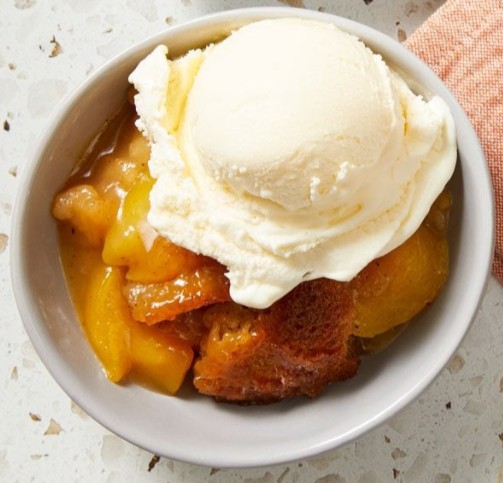
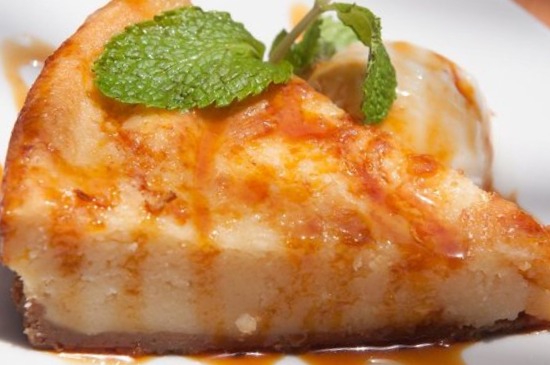
With Caramelized Drizzle (Sugar and Butter)

Substitutes for Queso Herreño
The best substitutes for Queso Herreño (El Hierro cheese) are other semi-hard to hard, slightly smoky or tangy goat/sheep cheeses. From the Canary Islands maybe Queso Palmero or Queso Majorero. These offer a similar firm texture and, if smoked, a comparable flavor profile, often available in specialty Spanish shops or online.

What is a Quesadilla?
A quesadilla is a Mexican dish consisting of a tortilla—corn or flour—filled primarily with cheese and often other ingredients like meats or vegetables, then folded in half and heated until the cheese melts. Literally translating to “little cheesy thing” from Spanish (queso meaning cheese), it is a popular, versatile, and often handheld food.

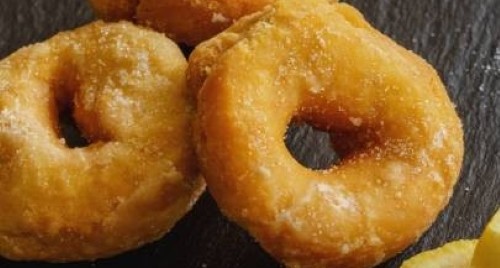
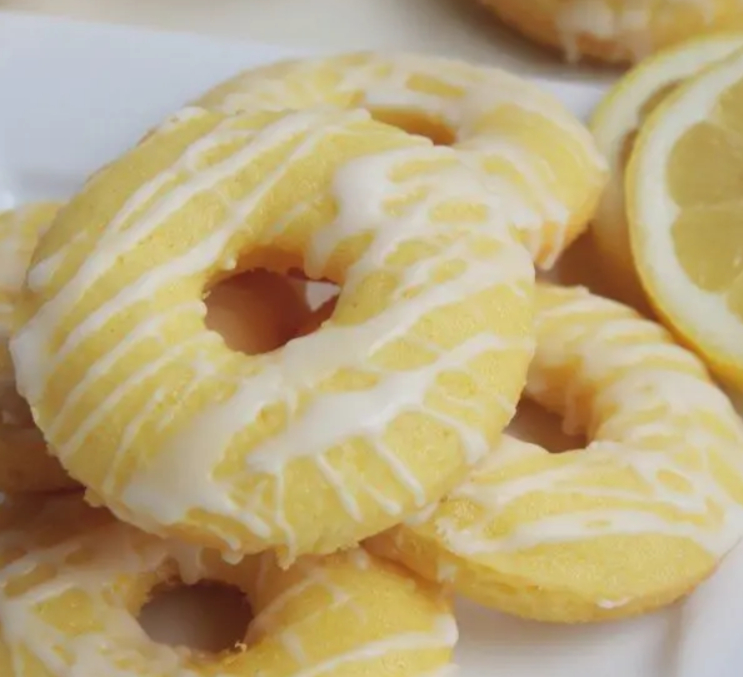
Lemon Zest Donuts

  Canarian Recipes: Rosquetes con ralladura de limón

Traditional lemon zest doughnuts, sometimes called biscuits,  are a delightful treat: crisp on the outside, tender on the inside, and bursting with an irresistible citrus aroma.

Ingredients

  • 2 eggs
  • 100 g of sugar
  • 100 ml of mild oil 
  • 1 lemon (zest)
  • 1 tablespoon of lemon juice
  • 1 packet of baking powder (Royal type)
  • 400–450 g of flour
  • 1 pinch of salt
  • Oil for frying
  • Sugar for coating
  • Icing sugar for decorating (optional)

Method

  • Whisk the eggs with the sugar until frothy.
  • Incorporate the oil, lemon zest, and lemon juice. Mix well.
  • Gradually add the flour together with the baking powder and salt. Knead until you have a smooth dough that does not stick.
  • Shape into small balls and form doughnuts (ring shape).
  • Fry in hot oil (medium heat, not too strong) until golden brown.
  • Remove from the oil and coat in sugar while still warm.

Tips

Ensure the oil is not too hot, as this will cause them to brown on the outside without cooking through.
You can add a hint of cinnamon or anise for extra flavour.
If you prefer, you can also bake them (though they will be lighter and less crisp).

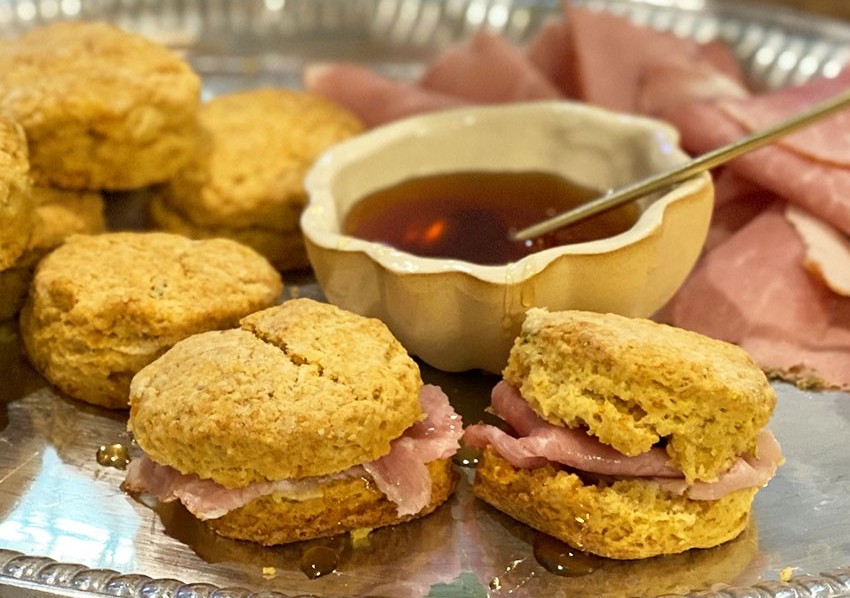
Sweet Potato Biscuits

  Canarian Recipes: Los rosquetes de batata

Sweet potato biscuits are a traditional treat, particularly popular in the Canary Islands and other regions. They are soft on the inside and slightly crunchy on the outside. The sweet potato lends a natural sweetness and an irresistible fluffy texture.

Ingredients

  • 500 g cooked sweet potato
  • 500–600 g flour (approximately)
  • 150 g sugar
  • 2 eggs
  • 1 packet of baking powder
  • Grated lemon zest
  • 1 pinch of salt
  • 1 splash of anise (optional, but very typical)
  • Oil for frying
  • Extra sugar and cinnamon for coating

Method

  • Peel, chop, and boil the sweet potato until soft.
  • Drain and mash it into a fine purée.
  • Add the sugar, eggs, lemon zest, salt, and anise to the purée.
  • Mix thoroughly.
  • Gradually add the flour along with the baking powder to achieve a smooth dough (not too sticky).
  • Take small portions and shape them into strips, joining the ends to form rings.
  • Fry in plenty of hot oil until golden brown.
  • Drain them and coat with sugar (or sugar mixed with cinnamon).

Tips

If the dough is too sticky, add a little more flour.
You can flavour the dough with cinnamon or vanilla in addition to the lemon.
They can also be baked, although frying is the traditional method.
Add ham and honey or jam for a semi savory taste, can serve as tapas.

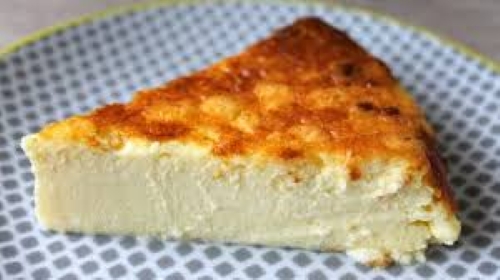
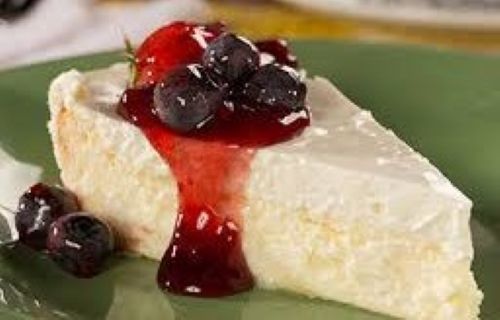
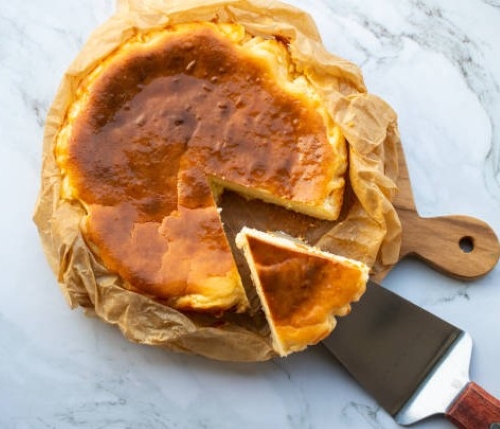
Crustless Creamy Cheesecake


While many variations exist worldwide, the creamy version that has become particularly famous in Spain is characterised by its minimal ingredients and a baking process that leaves the center incredibly moist.

Ingredients

  • 500 g cream cheese (such as Philadelphia)
  • 200 ml double cream (35% fat)
  • 150 g sugar
  • 3 large eggs
  • 1 tablespoon flour or cornstarch (optional, for stability)
  • 1 teaspoon vanilla extract (optional)
  • Butter or baking paper for the tin

Method

  1. Preheat the oven to 200 °C with both top and bottom heat.
  2. Line a round cake tin (20–22 cm) with baking paper. You may crumple the paper slightly to help it fit better.
  3. In a large bowl, combine the cream cheese and sugar. Mix until creamy and smooth.
  4. Add the eggs one at a time, mixing thoroughly after each addition.
  5. Mix in the double cream, vanilla, and flour or cornstarch if you choose to use it. Blend until the mixture is homogeneous.
  6. Pour the mixture into the prepared tin and bake for 35–40 minutes. The surface should be golden, and the centre should still be slightly wobbly.
  7. Leave to cool at room temperature, then refrigerate for at least 4 hours (preferably overnight) to achieve a creamier texture.

Tips

Do not overbake the cheesecake: the center should remain slightly wobbly when taken from the oven.

Use cream cheese at room temperature to avoid lumps.

For an even creamier texture, you may omit the flour from the recipe.

Add a little more flour (or gelatin) and bake less to reduce browning.

Unflavored gelatin is an excellent substitute for corn flour (cornstarch) to thicken liquids, custards, fillings, and puddings. Use a 1:1 ratio, but dissolve it in water first to prevent clumping. Gelatin creates a smoother, clearer set rather than a starchy texture.

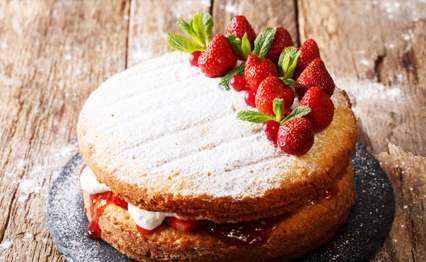
Homemade Strawberry Cake


Soft, fluffy, and with the fresh, slightly tangy taste of strawberries, it is the perfect dessert to make the most of this fruit when it’s at its best.
Not only is it easy to prepare, but it also combines simplicity and flavour in every bite, making it an ideal choice for a special afternoon tea or to delight the family on any occasion.

Ingredients

  • 200 g of strawberries
  • 3 eggs
  • 150 g of sugar
  • 100 ml of mild oil (sunflower or light olive)
  • 125 ml of natural yoghurt (or 1 yoghurt)
  • 200 g of plain flour
  • 1 packet of baking powder (16 g)
  • Zest of 1 lemon or a few drops of vanilla (optional)
  • A pinch of salt

Instructions

  1. Preheat the oven to 180°C (top and bottom). Grease the mould and dust with flour.
  2. Wash and dry the strawberries. Cut them into small pieces and set aside.
    Tip: Toss them with a teaspoon of flour to prevent them from sinking to the bottom.
  3. In a bowl, whisk the eggs with the sugar until the mixture is lighter and frothy.
  4. Add the oil and yoghurt. Mix well. Incorporate the lemon zest or vanilla if using.
  5. Gradually add the sifted flour with the baking powder and salt, mixing gently.
  6. Fold in the strawberries with gentle movements.
  7. Pour the batter into the mould and bake for 40–45 minutes (insert a skewer: it should come out clean).
  8. Allow to cool for 10 minutes, then unmould and cool completely on a wire rack.

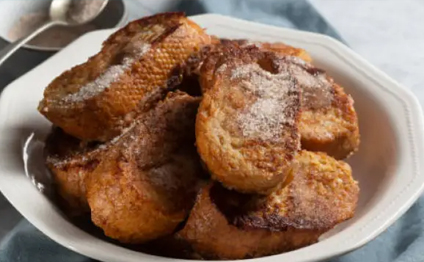
Wine-Infused Torrijas

Canarian Recipes: Torrijas al Vino


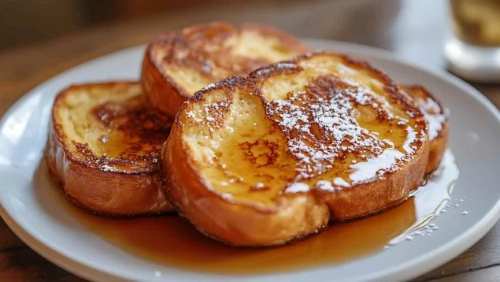
Torrijas are a humble dessert like French Toast that originated from thrift cooking: stale bread, a splash of wine or milk, sugar, and egg. With just a few ingredients, something magical is created: crisp and golden on the outside, yet juicy and flavourful on the inside.

Ingredients

  • 1 loaf of stale bread 
  • 500 ml of smooth red wine or sweet wine
  • 100 g of sugar (adjust to taste)
  • 1 cinnamon stick
  • Peel of 1 orange or lemon (optional, but recommended)
  • 2 eggs
  • Oil for frying
  • Sugar and cinnamon powder for sprinkling

Method

  1. Aromatise the Wine
    Combine the wine with sugar, the cinnamon stick, and the citrus peel in a saucepan.
    Bring to a gentle boil for about 5 minutes.
    Turn off the heat and allow to cool slightly.
  2. Slice the Bread
    Cut the bread into slices approximately 2–3 cm thick and place them in a large dish.
  3. Soak the Torrijas
    Gradually pour the cooled wine over the bread to soak it well without it falling apart.
    Leave to rest for a few minutes until thoroughly soaked.
  4. Dip in Egg
    Beat the eggs and carefully dip each soaked slice in the egg.
  5. Fry
    Heat plenty of oil in a frying pan and fry the torrijas until golden brown on both sides.
    Remove and drain on kitchen paper.
  6. Coat in Sugar and Cinnamon
    Mix sugar with a little cinnamon powder and coat the warm torrijas.

Tips
For a sweeter touch, drizzle a little honey on top.
These are even better the next day, as the flavours settle.
If the wine is too strong, you can mix it with an equal part of water.

Classic Torrijas

Canarian Recipes: Torrijas De Carnaval


This humble, yet delicious dessert, known for its bread (in most cases using stale bread from several days ago) soaked in milk or wine and subsequently fried with a prior coating of egg , is a clear example of how a dish can transcend borders and times.

Already documented in ancient Rome, where they were known as ” aliter dulcia ” (sweet dish), torrijas appear described in a Roman recipe book by Marcus Gavius ​​Apicius , born in 25 BC, from the 1st century.

This dish, which was based on a slice of bread soaked in milk and then fried (egg was not yet used in its preparation), was sweetened with honey . Over the centuries, the recipe adapted and evolved , finding a special place in Spanish cuisine, where ingredients such as cinnamon and sugar were incorporated , elements that are now characteristic of Spanish torrijas.

Ingredients:

  • Day-old bread 
  • 500 ml of milk
  • 2 eggs
  • 3–4 tablespoons of sugar
  • 1 cinnamon stick (optional)
  • Peel of lemon or orange (optional)
  • Powdered sugar and cinnamon for coating
  • Oil for frying
  • Honey (optional)

Method 

  1. In a saucepan, heat the milk with the cinnamon stick, lemon/orange peel, and sugar. It doesn’t need to boil; just infuse for 5 minutes.
  2. Slice the bread into thick pieces (about 2–3 cm).
  3. Remove the cinnamon and peel from the milk. Soak the slices in the milk until well saturated but not falling apart.
  4. Beat the eggs and dip each slice of bread into the egg.
  5. Fry in hot oil until golden brown on both sides.
  6. Place them on kitchen paper to remove excess oil. Then, coat them in sugar and cinnamon.

Optional
Drizzle with a little honey on top for a more traditional flavour.

Quick Tips
Day-old bread absorbs the milk better.
If you want softer torrijas, allow them to rest for a few minutes after soaking.

Candelaria Cakes

Canarian Recipes: Rosca de la Candelaria


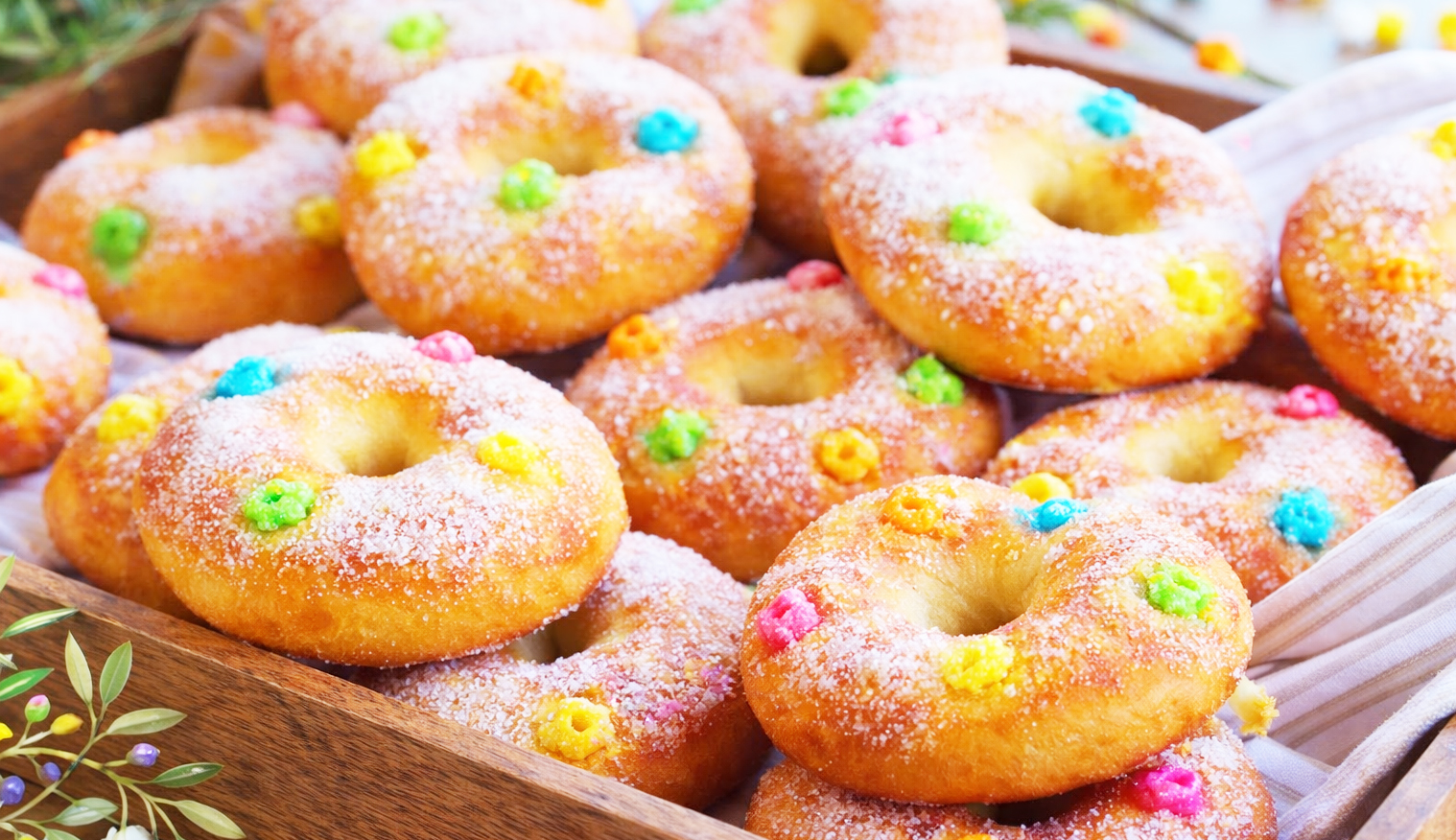
The Rosca de la Candelaria is a simple and aromatic sweet bread, typically featuring a boiled egg embedded in the centre as a symbol of fertility, life, and renewal. February 2nd is Candlemas Day where ring-shaped cakes or pastries are made, which children take to church in baskets with rosemary branches to be blessed.

Ingredients for cookies
(Serves 4–6)

  • 125 ml of extra virgin olive oil
  • 1 tablespoon of aniseed
  • 20g fresh baker’s yeast / 8g dried baker’s yeast
  • 250 ml of lukewarm water
  • 2 tablespoons of honey
  • 1 egg
  • 600g of strong flour
  • 1 teaspoon of salt
  • Colored aniseed candies or balls
  • Sugar

Method 

  1. We put the aniseed in the oil
  2. In a container we put the yeast, the honey, the water, the egg a little beaten, the oil with the aniseed.
  3. We mix everything with a whisk.
  4. Add the flour and salt, mix and knead.
  5. We pour the dough onto the work surface
  6. We divide the dough into portions of about 60 g.
  7. We roll each portion into a ball.
  8. We place them on a baking tray, wet our hands with extra virgin olive oil and with our finger open a hole in the center.
  9. We flatten them with the palm of our hand and add the candies or aniseed balls.
  10. We sprinkle sugar on top and let them rest for another half hour or an hour, until they rise again.
  11. Later. Preheat the oven to 180°C.
  12. Once it’s hot, put the cakes in.
  13. Depending on the size, they’ll take between 20 and 30 minutes.
  14. We put them on a wire rack to cool and they’re ready for a snack.