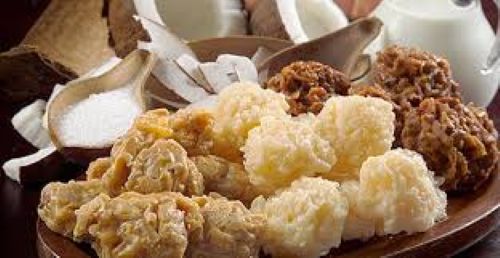
Canarian Coconut Macaroons

Canarian Recipes: Cocadas de Turronera

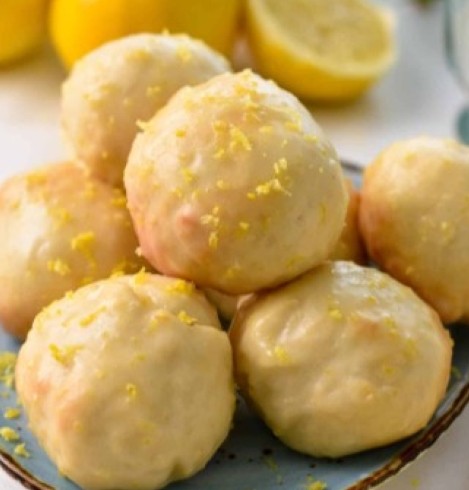
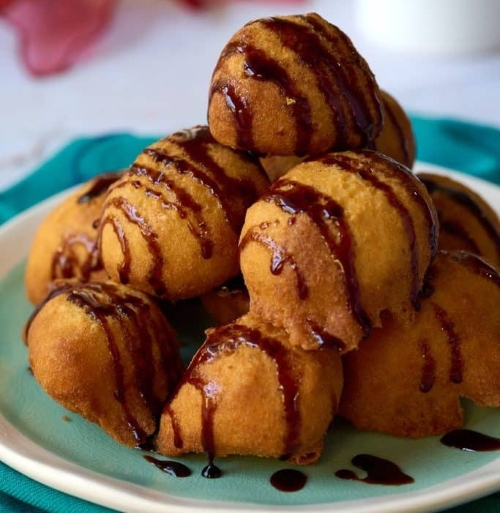
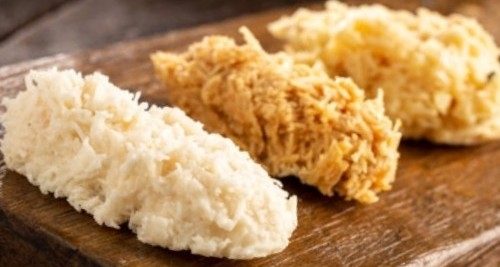
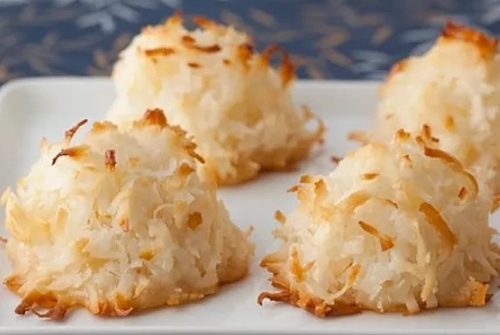
Cocadas de Turronera are a traditional sweet delicacy highly popular in the Canary Islands, especially during festivities and pilgrimages. They are made from grated coconut and a base of syrup or honey, which gives them a compact and shiny texture.

Ingredients

  • 250 g of grated coconut
  • 200 g of sugar
  • 2 eggs
  • 1 teaspoon of lemon zest
  • 1 teaspoon of vanilla essence (optional)
  • A pinch of cinnamon
  • Butter or baking parchment for the tray
Method

  1. Preheat the oven to 180 °C.
  2. In a bowl, whisk the eggs with the sugar until the mixture becomes slightly frothy.
  3. Add the lemon zest, vanilla, and cinnamon.
  4. Gradually incorporate the grated coconut and mix until a moist and mouldable dough forms.
  5. Shape small mounds or balls using two spoons or your hands (dipped in water).
  6. Place them on a tray lined with baking parchment.
  7. Bake for 12 to 18 minutes, until golden on the outside.
  8. Allow them to cool before serving.

Tips

  • Add:
    A touch of honey,
    Ground almonds, or
    Lightly burnt sugar for a toastier finish.
    They can also be made on small wafers to prevent sticking.

  • For a pastry shop finish:
    Use finely grated coconut,
    Let the mixture rest for 15 minutes before baking, and
    Bake with top and bottom heat without a fan.
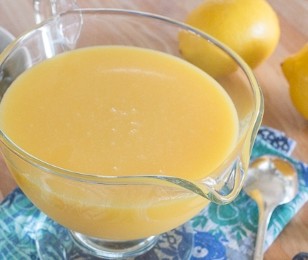
 

Easy Lemon Dessert Sauce

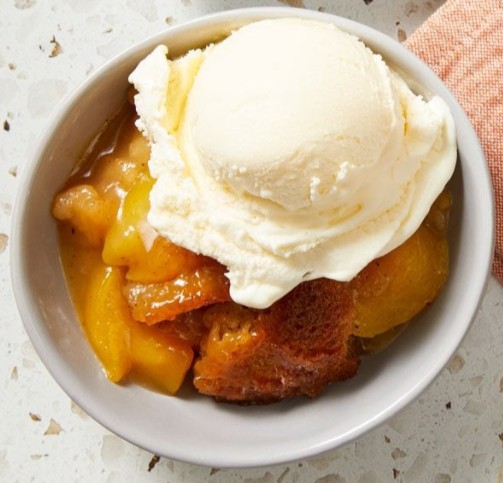
Lemon Sauce for a dessert topping. Use it for ice cream, cakes, cheesecake or whatever dessert you are baking. Add a little sweet sunshine!

Ingredients

  • 100g – 150g (8-12 tbsp) sugar, to taste
  • 3-4 tbsp cornstarch
  • 350 ml water
  • 2 tbsp lemon zest
  • 120ml lemon juice
  • 60g (4 tbsp) butter

Instructions

  1. Add sugar and cornstarch to a saucepan, add water and stir to combine.
  2. Cook on low heat until mixture starts to thicken.
  3. Simmer gently for 1 minute, stirring constantly.
  4. Remove from heat.
  5. Stir in lemon zest, lemon juice and butter.
  6. Bring back to a VERY gentle simmer for 1 to 2 minutes.
  7. Let cool 30 minutes before serving.
  8. Serve warm.

Tips

  • Add a few mint leaves for a refreshing twist.
  • Substitute some of the sugar with honey or a sweetener if preferred.
  • For a more intense flavour, add a small splash of liqueur (optional).

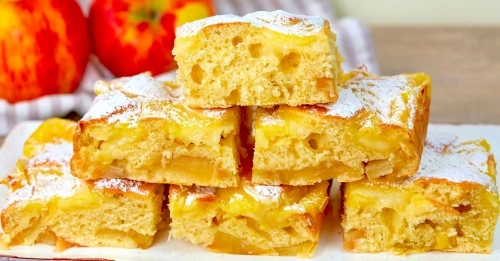
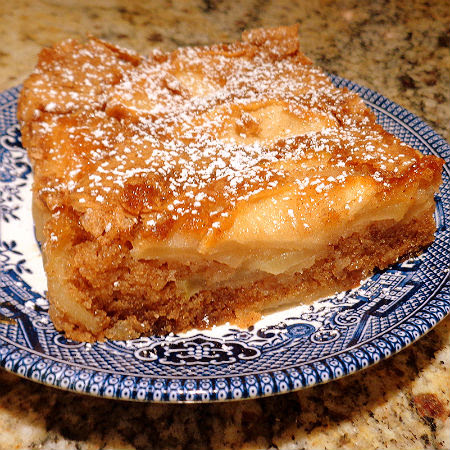
Apple Cinnamon Pudding Cake


Easy to make, irresistibly moist and bursting with the flavors of sweet apples, cinnamon, and topped with icing or brown sugar. Quick and easy anytime.

Easy Lemon Dessert Sauce

Ingredients

  • 100g all-purpose flour
  • 80g granulated sugar
  • 3 eggs
  • 3 apples
  • 80g room temp butter
  • 1 lemon
  • cinnamon, a pinch
  • baking powder, 1/2 sachet
  • powdered sugar to taste
  • 1/4 teaspoon vanilla extract (optional)
  • Butter or baking paper for the tin

Method

  1. Wash, dry and peel the apples.
  2. Cut them into 4 wedges and remove the core.
  3. Slice them thinly, put them in a bowl, sprinkling them with lemon juice.
  4. In a second  bowl, mix the butter at room temperature with the sugar until creamy; then add the eggs, one at a time.
  5. Add the flour, baking powder, grated lemon zest, and a pinch of cinnamon to the mixture.
  6. Add the apple slices and mix with a spatula.
  7. Line a 15x20cm baking dish with a sheet of baking paper, wet and wrung out. Pour in the mixture and level it with a spatula.
  8. Bake in a static oven at 350°F/180°C (air fryer 160°C ) for about 30 minutes, until the surface of the cake appears slightly puffed and golden.
  9. Remove from the oven and let cool. Then sprinkle with powdered sugar and serve.

Tips

  • Sprinkle with brown sugar for a darker crispier finish.
  • The apple pudding cake can be stored in the refrigerator, wrapped in cling film, for 2-3 days.
  • Freezing is not recommended.


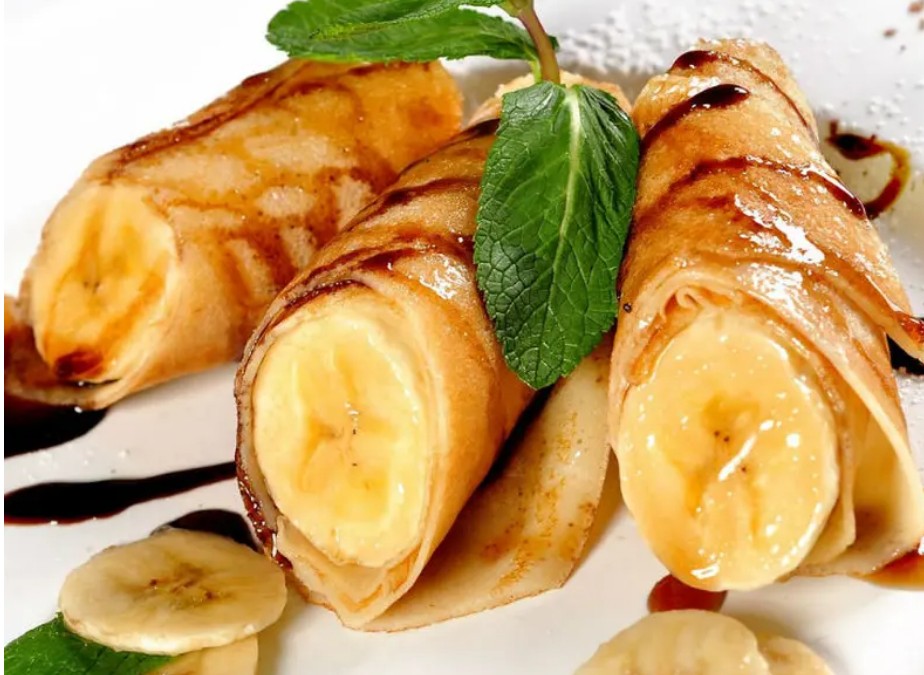
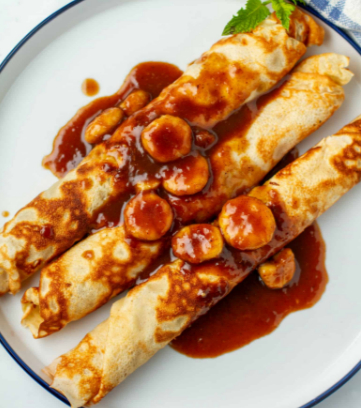
Crepes with Canary Bananas


Canarian Recipes: Crepes Con Plátanos 

Plantain (Plátanos) and banana are the same fruit but they differ in origin, size, and flavor, the Canary Island banana being smaller and sweeter, due to its slower ripening. Nutritionally, they are similar, both being high in potassium.

Ingredients

  • 100g flour
  • 2 tbsp sugar
  • 2 large eggs, or 3 medium
  • 250ml milk
  • 30g butter

Stuffing and Sauce

  • 150g of sugar
  • 1 tbsp butter
  • 150ml orange juice
  • 4 bananas, cut in half or sliced
  • 30ml brandy, optional

Instructions

  1. Blend the flour, sugar, eggs, milk, and butter until you have a completely smooth mixture.
  2. Cover the bowl and refrigerate for 30 to 60 minutes.
  3. Heat a frying pan, add a little butter and a ladleful of crepe batter
  4. Move the pan around to distribute the batter.
  5. Cook for approximately one to two minutes on each side.
  6. Repeat until all the crepe batter is used.

You can set aside for later use and reheat as needed.

Stuffing and Sauce

  1. Heat a pan with the butter and sugar, stirring gently until it dissolves and forms a caramel.
  2. Add the orange juice and bananas; pour in the brandy and cook for five more minutes over medium heat.
  3. Fill the crepes with the bananas and drizzle the sauce on top.

Alternative Method 

  1. Make the crepes ahead and chill, keep the sauce separate.
  2. Fry in the hot oil until crisp.
  3. Drizzle with sauce to serve.

Serving Ideas

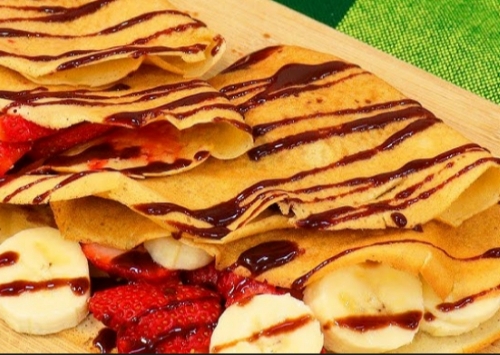
You can serve with strawberries for an extra indulgent touch.
Pair with fresh fruit for a super healthy breakfast.
Halve the sauce and drizzle with melted chocolate.

Easter Eggs Canarian Style

Canarian Recipes: Huevos de Pascua Caseros

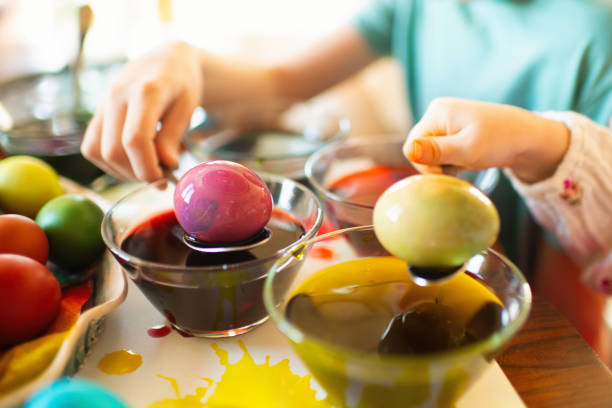
Easter eggs are one of the sweetest and most iconic symbols of Easter Sunday, a celebration that signifies rebirth and joy following Holy Week. Traditionally, the egg has represented new life, and over time it has evolved into delicious chocolate creations that are now a part of this festivity in many countries, including the Canaries.

Ingredients

  • Chocolate (dark, milk, or white)
  • Easter egg moulds
  • Decorations: sprinkles, candies, nuts, etc.
  • Fillings: sweets, cream, surprises (Optional)

Tips

  • Use high-quality chocolate for better flavour and finish
  • Avoid overheating the chocolate 
  • If you desire shine, consider tempering the chocolate

Tempering chocolate is the process of melting, cooling, and reheating chocolate to stabilize cocoa butter crystals, resulting in a shiny, snap-able finish that sets properly. It is crucial for candy dipping and molding. The essential method involves melting 2/3 of the chocolate, then using the remaining 1/3 as “seed” to cool it.

Preparation

  1. Melt the chocolate using a double boiler or microwave (in short intervals, stirring).
  2. Pour the melted chocolate into the moulds, ensuring it covers the entire surface.
  3. Place the moulds in the fridge for about 15–20 minutes until the chocolate is firm.
  4. To make the egg sturdier, add another layer of chocolate and refrigerate again.
  5. Carefully remove the halves from the mould.
  6. Place surprises inside and join the two halves with a bit of melted chocolate.
  7. Add colours, designs, or details to your liking.

Decoration Ideas

  1. White chocolate stripes over dark chocolate
  2. Faces or figures made with fondant
  3. Pastel colours with dyed sugar
  4. “Drip” style (drizzled)

Lemon Zest Donuts

  Canarian Recipes: Rosquetes con ralladura de limón

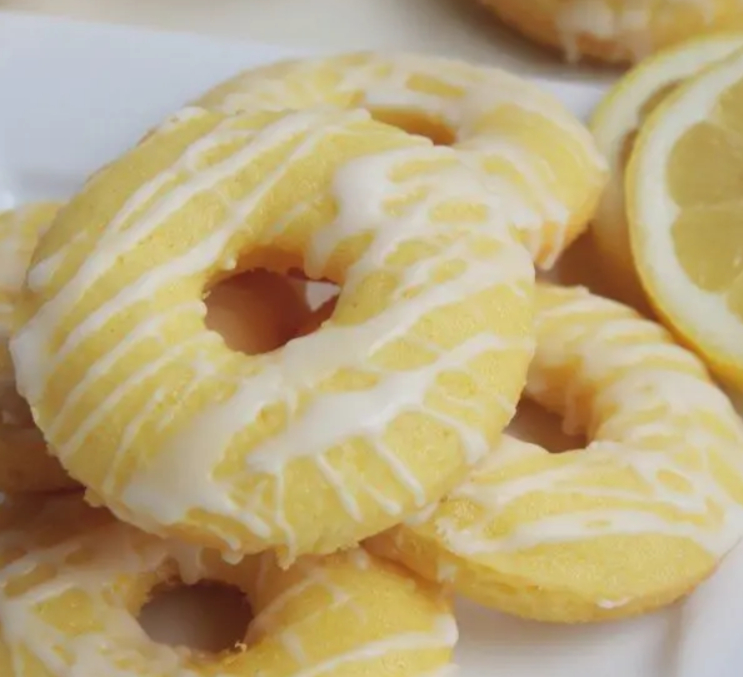
Traditional lemon zest doughnuts, sometimes called biscuits,  are a delightful treat: crisp on the outside, tender on the inside, and bursting with an irresistible citrus aroma.

Ingredients

  • 2 eggs
  • 100 g of sugar
  • 100 ml of mild oil 
  • 1 lemon (zest)
  • 1 tablespoon of lemon juice
  • 1 packet of baking powder (Royal type)
  • 400–450 g of flour
  • 1 pinch of salt
  • Oil for frying
  • Sugar for coating
  • Icing sugar for decorating (optional)

Method

  • Whisk the eggs with the sugar until frothy.
  • Incorporate the oil, lemon zest, and lemon juice. Mix well.
  • Gradually add the flour together with the baking powder and salt. Knead until you have a smooth dough that does not stick.
  • Shape into small balls and form doughnuts (ring shape).
  • Fry in hot oil (medium heat, not too strong) until golden brown.
  • Remove from the oil and coat in sugar while still warm.

Tips

Ensure the oil is not too hot, as this will cause them to brown on the outside without cooking through.
You can add a hint of cinnamon or anise for extra flavour.
If you prefer, you can also bake them (though they will be lighter and less crisp).

Canarian Milk Fritters


Canarian Recipes: Leche Frita

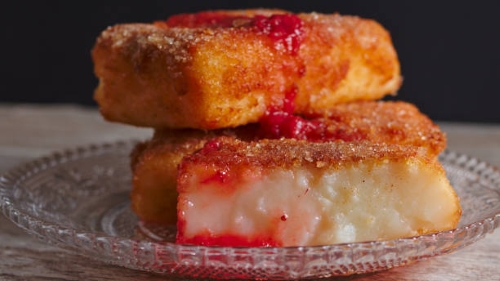
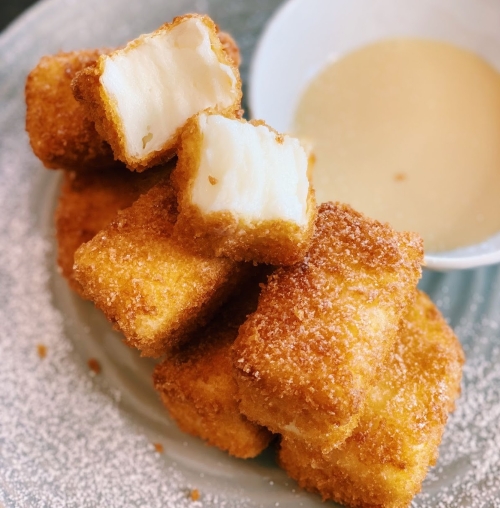
A popular dessert consisting of a firm, creamy custard made from milk, sugar, and flour (or cornstarch), infused with cinnamon and lemon zest.

Ingredients

(4–6 servings)

  • 500 ml whole milk
  • 100 g sugar
  • 60 g flour or 30 g corn flour
  • 1 cinnamon stick (or powder)
  • lemon zest 
  • 2 eggs
  • extra flour (for coating)
  • oil for frying
  • sugar and cinnamon powder (for sprinkling)

Instructions

  1. Heat the milk with the cinnamon and lemon peel.
  2. When it boils, remove from heat and let it steep for a few minutes.
  3. Strain the milk and return it to the heat.
  4. Add the sugar and flour slowly stirring constantly until it thickens.
  5. Pour the mixture into a greased pan, smooth the surface, and let it cool.
  6. Refrigerate for at least 3–4 hours (ideally overnight).
  7. Cut into squares or rectangles. Coat them in flour and then in beaten egg.
  8. Fry in hot oil until golden brown on both sides.
  9. Drain on absorbent paper and sprinkle with sugar and cinnamon.

Alternative Method 

  1. Cool the mixture, stirring often.
  2. Using a tablespoon, drop balls of the mixture into flour.
  3. Fry in the hot oil.

Serving Ideas

Serve it warm to best enjoy its creamy texture.
You can serve it with vanilla, strawberry or chocolate.
Pair it with honey or ice cream for a special touch.

Homemade Pestiños

Canarian Recipes: Pestiños Caseros Tradicional

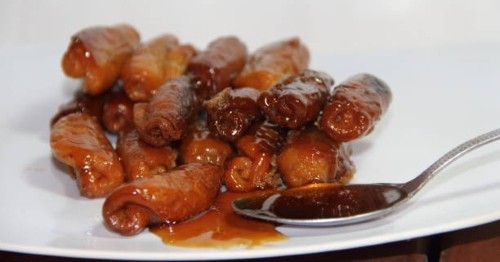
This sweet treat consists of a fried dough flavored with anise and sesame seeds, which is then sweetened with honey or sugar. Originally from Andalusia, its crispy exterior and slightly tender interior, along with its intense flavor, make it one of the most representative desserts of traditional cuisine.

Ingredients

  • 500g flour
  • 125ml olive oil
  • 125ml white wine
  • 2 tablespoons anise seeds
  • 1 tablespoon sesame seeds
  • 1 piece of lemon peel
  • 1 pinch of salt
  • oil for frying

For the finish:
Honey + water or Sugar + cinnamon

Method

  1. Heat the oil with the lemon peel, anise seeds, and sesame seeds.
  2. When it begins to brown, remove from heat and let it cool slightly.
  3. In a bowl, mix the flour, a pinch of salt, the white wine, and the flavored oil.
  4. Knead until you obtain a smooth dough.
  5. Let the dough rest for about 30 minutes.
  6. Roll out the dough thinly, cut into squares and fold two corners towards the center.
  7. Fry in plenty of hot oil until golden brown.

Sweeten
Option 1: Dip them in honey diluted with a little water.
Option 2: Sprinkle with sugar and cinnamon.

Sweet Potato Biscuits

  Canarian Recipes: Los rosquetes de batata

Sweet potato biscuits are a traditional treat, particularly popular in the Canary Islands and other regions. They are soft on the inside and slightly crunchy on the outside. The sweet potato lends a natural sweetness and an irresistible fluffy texture.

Ingredients

  • 500 g cooked sweet potato
  • 500–600 g flour (approximately)
  • 150 g sugar
  • 2 eggs
  • 1 packet of baking powder
  • Grated lemon zest
  • 1 pinch of salt
  • 1 splash of anise (optional, but very typical)
  • Oil for frying
  • Extra sugar and cinnamon for coating

Method

  • Peel, chop, and boil the sweet potato until soft.
  • Drain and mash it into a fine purée.
  • Add the sugar, eggs, lemon zest, salt, and anise to the purée.
  • Mix thoroughly.
  • Gradually add the flour along with the baking powder to achieve a smooth dough (not too sticky).
  • Take small portions and shape them into strips, joining the ends to form rings.
  • Fry in plenty of hot oil until golden brown.
  • Drain them and coat with sugar (or sugar mixed with cinnamon).

Tips

If the dough is too sticky, add a little more flour.
You can flavour the dough with cinnamon or vanilla in addition to the lemon.
They can also be baked, although frying is the traditional method.
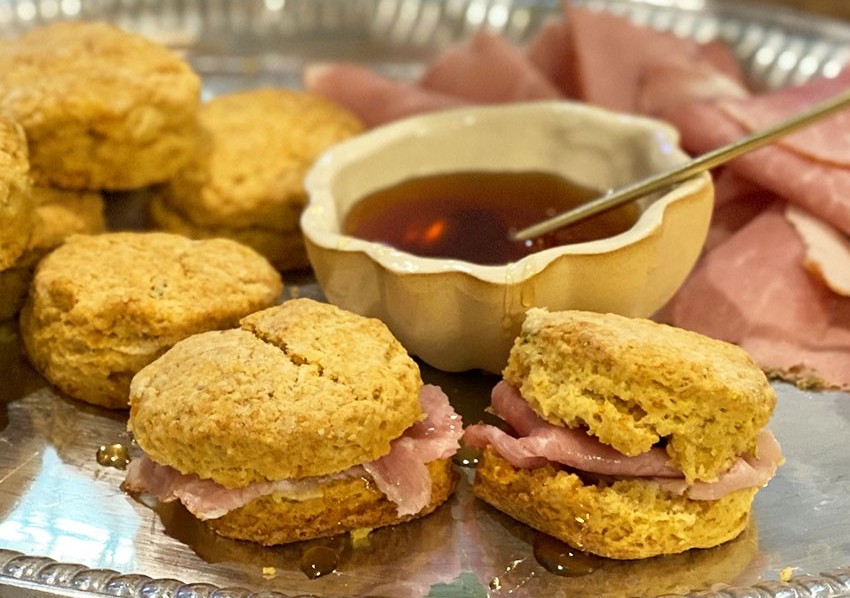
Add ham and honey or jam for a semi savory taste, can serve as tapas.

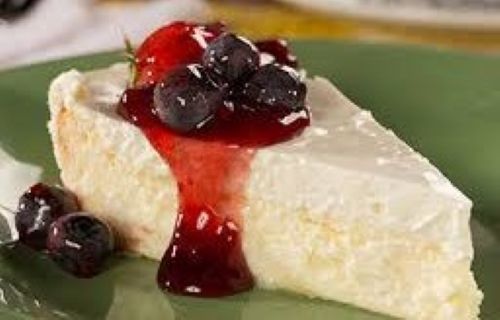
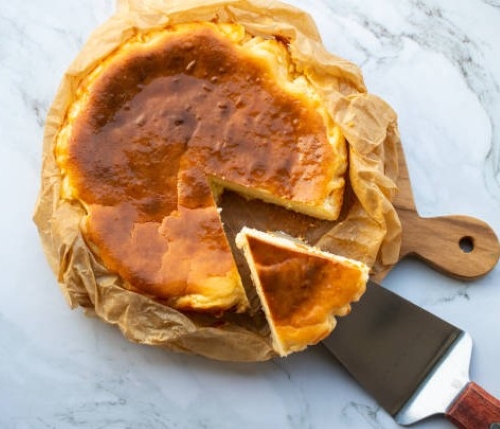
Crustless Creamy Cheesecake


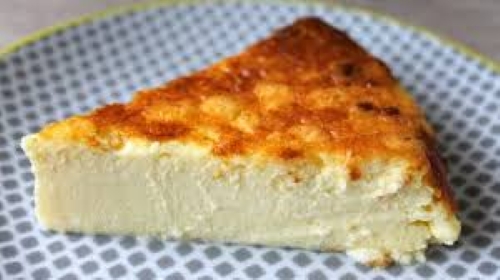
While many variations exist worldwide, the creamy version that has become particularly famous in Spain is characterised by its minimal ingredients and a baking process that leaves the center incredibly moist.

Ingredients

  • 500 g cream cheese (such as Philadelphia)
  • 200 ml double cream (35% fat)
  • 150 g sugar
  • 3 large eggs
  • 1 tablespoon flour or cornstarch (optional, for stability)
  • 1 teaspoon vanilla extract (optional)
  • Butter or baking paper for the tin

Method

  1. Preheat the oven to 200 °C with both top and bottom heat.
  2. Line a round cake tin (20–22 cm) with baking paper. You may crumple the paper slightly to help it fit better.
  3. In a large bowl, combine the cream cheese and sugar. Mix until creamy and smooth.
  4. Add the eggs one at a time, mixing thoroughly after each addition.
  5. Mix in the double cream, vanilla, and flour or cornstarch if you choose to use it. Blend until the mixture is homogeneous.
  6. Pour the mixture into the prepared tin and bake for 35–40 minutes. The surface should be golden, and the centre should still be slightly wobbly.
  7. Leave to cool at room temperature, then refrigerate for at least 4 hours (preferably overnight) to achieve a creamier texture.

Tips

Do not overbake the cheesecake: the center should remain slightly wobbly when taken from the oven.

Use cream cheese at room temperature to avoid lumps.

For an even creamier texture, you may omit the flour from the recipe.

Add a little more flour (or gelatin) and bake less to reduce browning.

Unflavored gelatin is an excellent substitute for corn flour (cornstarch) to thicken liquids, custards, fillings, and puddings. Use a 1:1 ratio, but dissolve it in water first to prevent clumping. Gelatin creates a smoother, clearer set rather than a starchy texture.