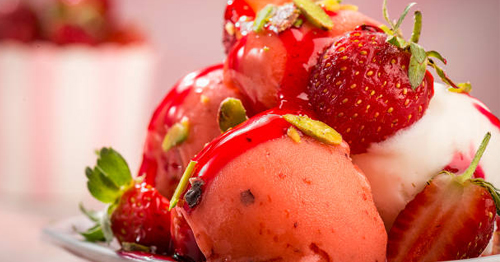
Strawberry Sorbet

Strawberry sorbet is a refreshing, light dessert bursting with flavour, renowned for its fruity intensity and smooth texture.

Ingredients

(Serves 4)

  • 500 g ripe strawberries
  • 120 g sugar (adjust to taste)
  • 120 ml water
  • 1 tablespoon lemon juice

Instructions

  1. Wash and hull the strawberries, removing the stems

  2. Make a syrup: heat the water with the sugar until dissolved, then allow to cool.

  3. Blend the strawberries with the lemon juice and cooled syrup until you have a smooth purée.

  4. Strain if a smoother texture is desired.

  5. Freeze the mixture in a wide container for 3–4 hours, stirring every 30–45 minutes to prevent large ice crystals from forming.

Tips
Add a few mint leaves for a refreshing twist.

Substitute some of the sugar with honey or a sweetener if preferred.

For a more intense flavour, add a small splash of liqueur (optional).
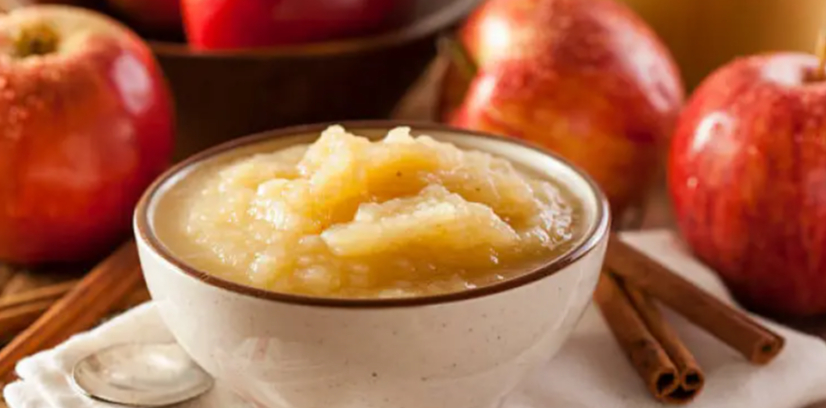
Apple and Cinnamon Compote


Traditionally, compote has been a practical way to make use of ripe fruit and preserve it for longer periods. Today it remains a popular choice in many kitchens due to its simplicity, homemade taste, and nutritional value.

Ingredients

(2–3 servings)

  • 3 apples (preferably Golden, Fuji, or Gala)
  • ½ cup of water (approximately 120 ml)
  • ½ teaspoon of ground cinnamon
  • 1 teaspoon of lemon juice (optional)
  • 1–2 teaspoons of honey or agave syrup (optional)

Instructions

  1. Peel the apples, remove the cores, and cut them into small pieces.
  2. Place the apples in a saucepan with water and lemon juice.
  3. Cook over medium-low heat for 10–15 minutes, until they are very soft.
  4. Stir in the cinnamon and mix well.
  5. For a smooth texture: purée with a blender. For a rustic texture: mash with a fork.
  6. (optional): Add honey or agave syrup if you prefer a slightly sweeter taste.

Tips
It can be stored in the fridge for 3–4 days in a sealed container.
Served cold or warm.
You can add vanilla, ginger, or orange zest for an extra layer of aroma.

Serving Ideas
With natural yoghurt
Over oatmeal or porridge
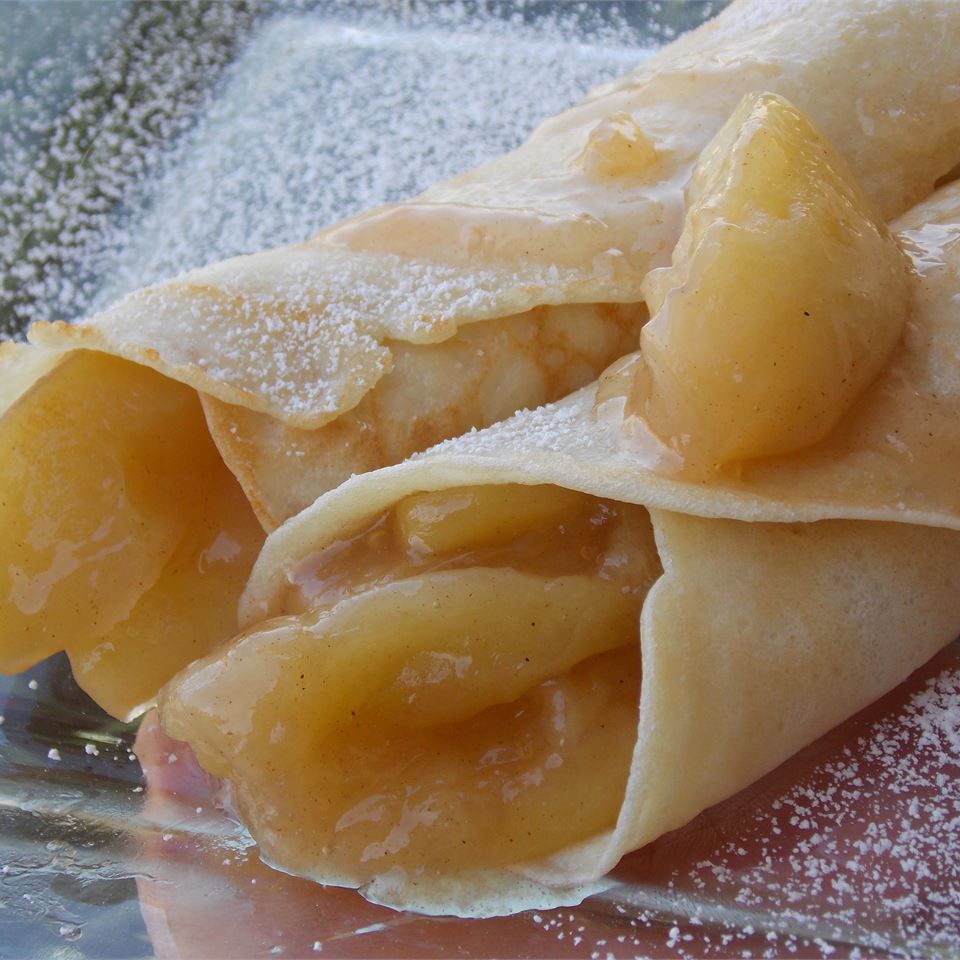
As a filling for toast or crepes
As a side dish with pork or chicken

Homemade Strawberry Cake


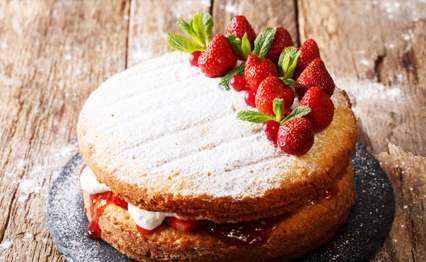
Soft, fluffy, and with the fresh, slightly tangy taste of strawberries, it is the perfect dessert to make the most of this fruit when it’s at its best.
Not only is it easy to prepare, but it also combines simplicity and flavour in every bite, making it an ideal choice for a special afternoon tea or to delight the family on any occasion.

Ingredients

  • 200 g of strawberries
  • 3 eggs
  • 150 g of sugar
  • 100 ml of mild oil (sunflower or light olive)
  • 125 ml of natural yoghurt (or 1 yoghurt)
  • 200 g of plain flour
  • 1 packet of baking powder (16 g)
  • Zest of 1 lemon or a few drops of vanilla (optional)
  • A pinch of salt

Instructions

  1. Preheat the oven to 180°C (top and bottom). Grease the mould and dust with flour.
  2. Wash and dry the strawberries. Cut them into small pieces and set aside.
    Tip: Toss them with a teaspoon of flour to prevent them from sinking to the bottom.
  3. In a bowl, whisk the eggs with the sugar until the mixture is lighter and frothy.
  4. Add the oil and yoghurt. Mix well. Incorporate the lemon zest or vanilla if using.
  5. Gradually add the sifted flour with the baking powder and salt, mixing gently.
  6. Fold in the strawberries with gentle movements.
  7. Pour the batter into the mould and bake for 40–45 minutes (insert a skewer: it should come out clean).
  8. Allow to cool for 10 minutes, then unmould and cool completely on a wire rack.

Wine-Infused Torrijas

Canarian Recipes: Torrijas al Vino


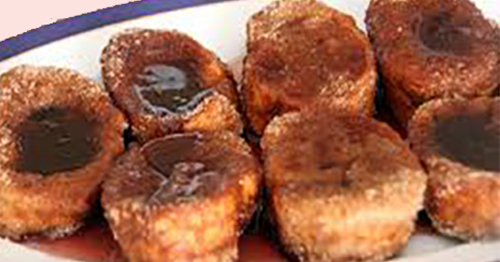
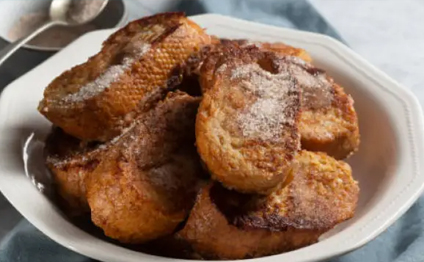
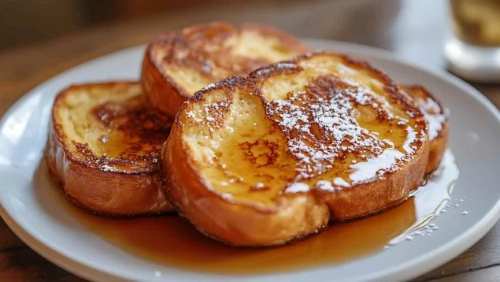
Torrijas are a humble dessert like French Toast that originated from thrift cooking: stale bread, a splash of wine or milk, sugar, and egg. With just a few ingredients, something magical is created: crisp and golden on the outside, yet juicy and flavourful on the inside.

Ingredients

  • 1 loaf of stale bread 
  • 500 ml of smooth red wine or sweet wine
  • 100 g of sugar (adjust to taste)
  • 1 cinnamon stick
  • Peel of 1 orange or lemon (optional, but recommended)
  • 2 eggs
  • Oil for frying
  • Sugar and cinnamon powder for sprinkling

Method

  1. Aromatise the Wine
    Combine the wine with sugar, the cinnamon stick, and the citrus peel in a saucepan.
    Bring to a gentle boil for about 5 minutes.
    Turn off the heat and allow to cool slightly.
  2. Slice the Bread
    Cut the bread into slices approximately 2–3 cm thick and place them in a large dish.
  3. Soak the Torrijas
    Gradually pour the cooled wine over the bread to soak it well without it falling apart.
    Leave to rest for a few minutes until thoroughly soaked.
  4. Dip in Egg
    Beat the eggs and carefully dip each soaked slice in the egg.
  5. Fry
    Heat plenty of oil in a frying pan and fry the torrijas until golden brown on both sides.
    Remove and drain on kitchen paper.
  6. Coat in Sugar and Cinnamon
    Mix sugar with a little cinnamon powder and coat the warm torrijas.

Tips
For a sweeter touch, drizzle a little honey on top.
These are even better the next day, as the flavours settle.
If the wine is too strong, you can mix it with an equal part of water.

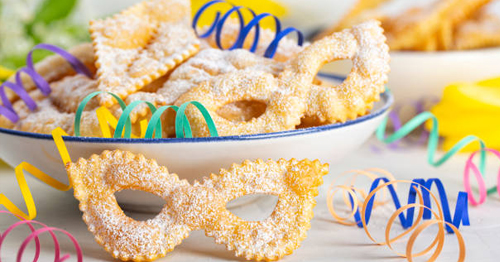
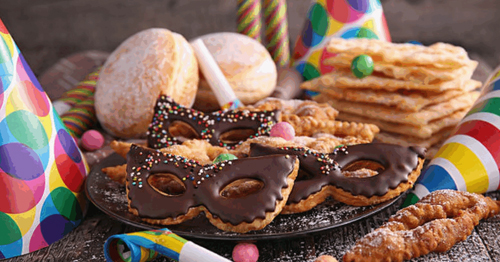
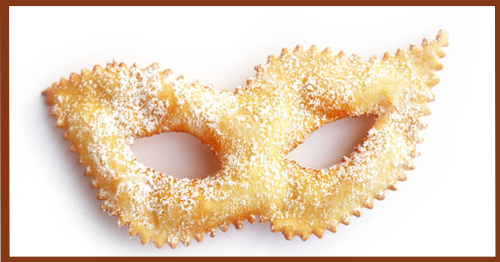
Carnival Puff Pastry Masks

Canarian Recipes: Máscaras de hojaldre de carnaval

With a simple sheet of puff pastry and a little creativity, these little masks become the stars of the show: decorative, easy to prepare, and above all, irresistible.

Sweet Puff Pastry Mask (Classic)

Ingredients

  • 1 sheet of puff pastry
  • 1 egg (for brushing)
  • Sugar or powdered sugar
  • Melted chocolate or jam (optional)
  • Fruit or sprinkles for decoration (optional)
  1. Preheat the oven to 180°C (350°F).
  2. Draw a mask shape on cardboard and use it as a template.
  3. Cut the puff pastry into mask shapes (also cut out the eye holes).
  4. Place them on a baking sheet lined with parchment paper.
  5. Brush with beaten egg.
  6. Sprinkle with a little sugar.
  7. Bake for 12–15 minutes until golden brown.
  8. Let cool and decorate with chocolate, icing lines, or powdered sugar. 

Savory Puff Pastry Mask (Cheese and Ham)

Ingredients

  • 1 sheet of puff pastry
  • Sliced ​​or grated cheese
  • Cooked or Serrano ham
  • 1 egg
  • Sesame seeds or oregano (optional)

Instructions

  1. Cut two mask shapes from each piece.
  2. On one, place cheese and chopped ham.
  3. Cover with the other sheet of puff pastry and seal the edges with a fork.
  4. Brush with beaten egg.
  5. Sprinkle with seeds or oregano.
  6. Bake at 180°C (350°F) for about 15–18 minutes until golden brown and puffed up. 

Chocolate or Cream-Filled Mask

Ingredients

  • 1 sheet of puff pastry
  • chocolate cream
  • pastry cream (or dulce de leche)
  • 1 egg
  • powdered sugar.

Instructions

  1. Cut two mask shapes for each unit.
  2. Place a thin layer of filling in the center (without reaching the edges).
  3. Cover with the other sheet and seal well.
  4. Carefully cut out the eye holes.
  5. Brush with egg wash.
  6. Bake at 180°C (350°F) for about 15 minutes.
  7. Let cool and sprinkle with powdered sugar.

Classic Torrijas

Canarian Recipes: Torrijas De Carnaval


This humble, yet delicious dessert, known for its bread (in most cases using stale bread from several days ago) soaked in milk or wine and subsequently fried with a prior coating of egg , is a clear example of how a dish can transcend borders and times.

Already documented in ancient Rome, where they were known as ” aliter dulcia ” (sweet dish), torrijas appear described in a Roman recipe book by Marcus Gavius ​​Apicius , born in 25 BC, from the 1st century.

This dish, which was based on a slice of bread soaked in milk and then fried (egg was not yet used in its preparation), was sweetened with honey . Over the centuries, the recipe adapted and evolved , finding a special place in Spanish cuisine, where ingredients such as cinnamon and sugar were incorporated , elements that are now characteristic of Spanish torrijas.

Ingredients:

  • Day-old bread 
  • 500 ml of milk
  • 2 eggs
  • 3–4 tablespoons of sugar
  • 1 cinnamon stick (optional)
  • Peel of lemon or orange (optional)
  • Powdered sugar and cinnamon for coating
  • Oil for frying
  • Honey (optional)

Method 

  1. In a saucepan, heat the milk with the cinnamon stick, lemon/orange peel, and sugar. It doesn’t need to boil; just infuse for 5 minutes.
  2. Slice the bread into thick pieces (about 2–3 cm).
  3. Remove the cinnamon and peel from the milk. Soak the slices in the milk until well saturated but not falling apart.
  4. Beat the eggs and dip each slice of bread into the egg.
  5. Fry in hot oil until golden brown on both sides.
  6. Place them on kitchen paper to remove excess oil. Then, coat them in sugar and cinnamon.

Optional
Drizzle with a little honey on top for a more traditional flavour.

Quick Tips
Day-old bread absorbs the milk better.
If you want softer torrijas, allow them to rest for a few minutes after soaking.

Candelaria Cakes

Canarian Recipes: Rosca de la Candelaria


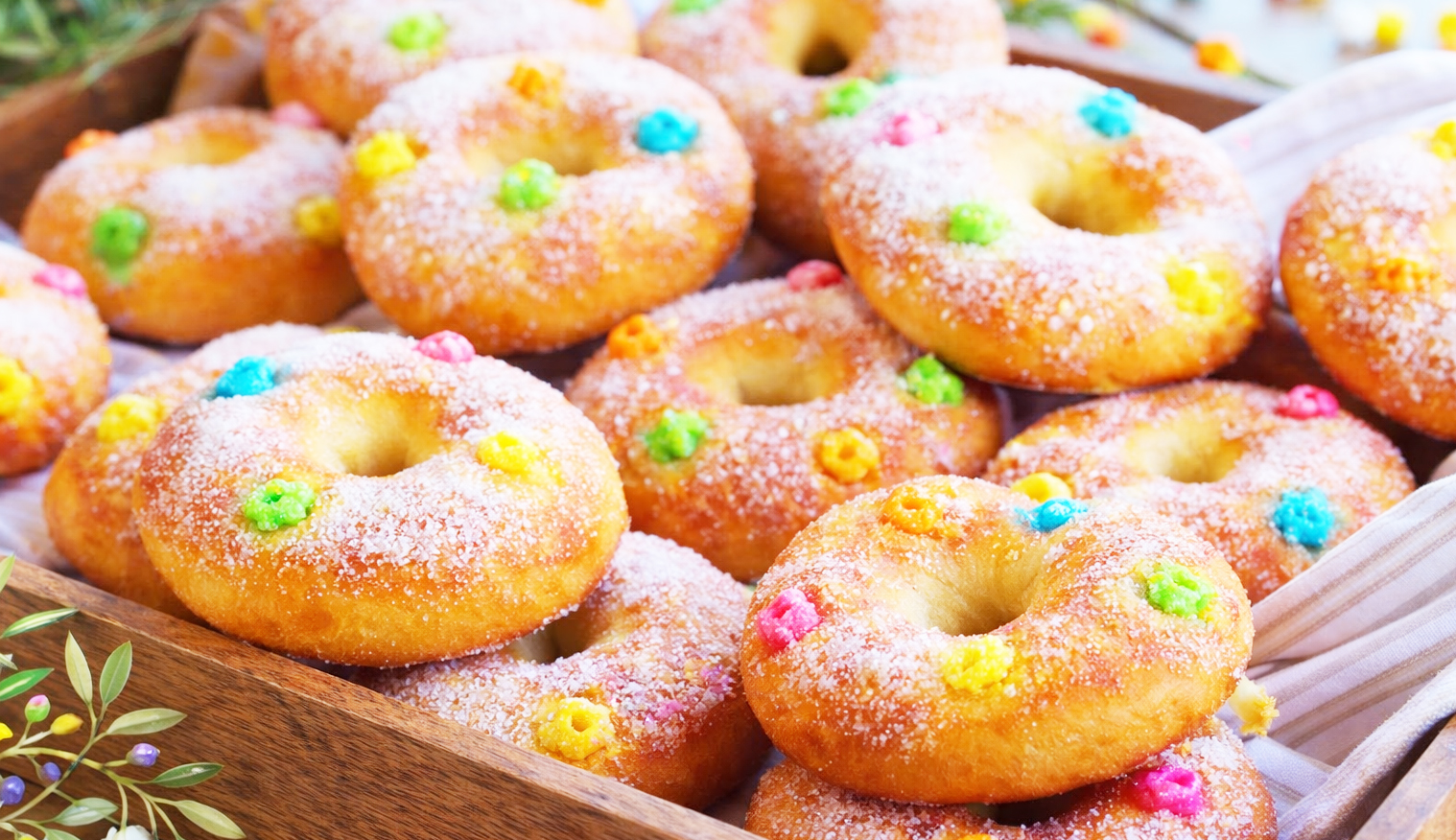
The Rosca de la Candelaria is a simple and aromatic sweet bread, typically featuring a boiled egg embedded in the centre as a symbol of fertility, life, and renewal. February 2nd is Candlemas Day where ring-shaped cakes or pastries are made, which children take to church in baskets with rosemary branches to be blessed.

Ingredients for cookies
(Serves 4–6)

  • 125 ml of extra virgin olive oil
  • 1 tablespoon of aniseed
  • 20g fresh baker’s yeast / 8g dried baker’s yeast
  • 250 ml of lukewarm water
  • 2 tablespoons of honey
  • 1 egg
  • 600g of strong flour
  • 1 teaspoon of salt
  • Colored aniseed candies or balls
  • Sugar

Method 

  1. We put the aniseed in the oil
  2. In a container we put the yeast, the honey, the water, the egg a little beaten, the oil with the aniseed.
  3. We mix everything with a whisk.
  4. Add the flour and salt, mix and knead.
  5. We pour the dough onto the work surface
  6. We divide the dough into portions of about 60 g.
  7. We roll each portion into a ball.
  8. We place them on a baking tray, wet our hands with extra virgin olive oil and with our finger open a hole in the center.
  9. We flatten them with the palm of our hand and add the candies or aniseed balls.
  10. We sprinkle sugar on top and let them rest for another half hour or an hour, until they rise again.
  11. Later. Preheat the oven to 180°C.
  12. Once it’s hot, put the cakes in.
  13. Depending on the size, they’ll take between 20 and 30 minutes.
  14. We put them on a wire rack to cool and they’re ready for a snack.

Roscón de Reyes: Three Kings’ Cake

Canarian Recipes: Rosconttone


The Roscón de Reyes is one of the most eagerly awaited desserts of the year. As its name suggests, it is typical for the Epiphany on January 6th.

Many families gather on this day to share this sweet treat, adhering to tradition; whoever finds the fève (a hidden figurine) is expected to treat others.

  • 650 g strong flour
  • 250 ml whole milk
  • 25 g fresh yeast
  • 120 g white sugar
  • 120 g butter
  • 2 eggs and the yolk of another
  • 10 g salt
  • 2 tablespoons orange blossom water
  • The zest of 2 lemons
  • The zest of one orange

Ingredients to decorate the Roscón de Reyes:

  • An orange
  • Glazed fruits
  • 1 beaten egg
  • Pearl sugar
  • Flaked almonds

Your favourite ingredient for the filling:

  • cream
  • truffle
  • confectioner’s custard
  • angel hair (pumpkin jam)
  • sweet potato
  • chocolate.. figurine of the King
  • fava bean

Step by step method for making the Roscón de Reyes:

  • Heat the milk until it is lukewarm.
  • Mix 250ml of milk with 3 tablespoons of flour and shredded yeast.
  • ix it thoroughly until the yeast is fully dissolved.
  • Put the mixture to one side and leave it to ferment for 20 minutes (the warmer the ambient temperature, the quicker it will ferment).
  • In another bowl, add the rest of the dry ingredients: flour, sugar, salt and zest. Finally, add the milk, eggs, already fermented mixture, orange blossom water and melted butter. Mix until everything is well incorporated.
  • Flour a smooth surface and knead for a few minutes (from the outside inwards). Shape the dough into a ball and leave it to one side in a bowl covered with a cloth for a few hours or until it doubles in size (the warmer the ambient temperature, the quicker it will grow).
  • Once the dough has doubled in size, flour the same surface and knead it again. Shape your Three Kings’ cake (bear in mind that the dough will grow and the hole in the middle will become smaller).
  • Leave the dough to rest for an hour covered with clingfilm. Meanwhile, you can preheat the oven to 180 °C.
  • Brush your cake with the beaten egg and decorated it to taste.
  • Bake for 20 minutes or until you see it has turned a golden colour.
  • Remove the cake from the oven and leave it to cool for a few hours before cutting it in half to add your favourite filling and, of course, the bean.
  • Serve it with your favourite nougats and chocolates and enjoy!

Classic Fillings and Surprising Flavours
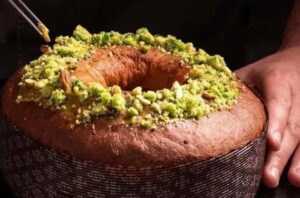
In addition to the classic roscón (without filling),there are various flavours of Rosconttones to cater to all tastes.
Their offerings include:

  • Nutella
  • Pistachio
  • Kinder
  • Pastry Cream

Strawberry and Chocolate Tartlet

Canarian Recipes: Tartaleta de fresa y chocolate 

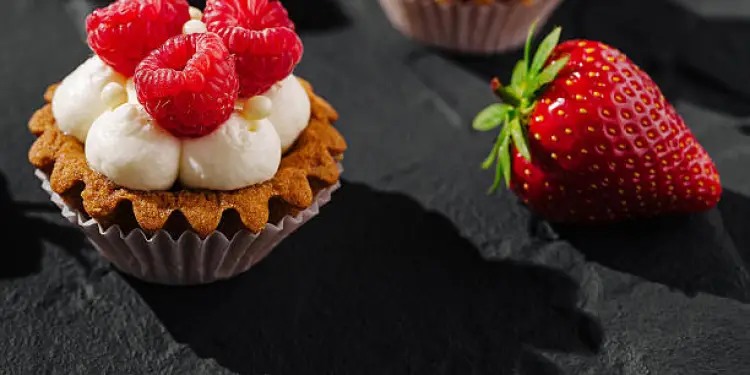
The combination of chocolate and strawberry is unmatched. That delicious combination is especially perfect when packed into a cute little mini tart. These tarts are best served the day they are made.

(for 3 units)

  • 400 g shortcrust pastry
  • 30 g sugar
  • 200 g strawberry purée
  • 200 ml double cream
  • 150 g dark chocolate
  • 150 g cooking cream
  • 2 sheets of gelatine
  • Icing sugar
  • Fresh berries
  • Flaked coconut
  • Unsalted pistachios

Instructions

  1. Combine the strawberry purée (or crushed strawberries) with the double cream, reserving 5 tablespoons of the mixture. Freeze the remainder for 1 hour.
  2. Line the tartlet cases with the shortcrust pastry. Prick the base with a fork, place baking paper on top, add some dried legumes, and bake for 10 to 15 minutes at 180ºC.
  3. Allow to cool.
  4. Melt the chocolate in the heated cooking cream, allow to cool, and fill the tartlets. Chill in the fridge.
  5. Soak the gelatine sheets in cold water. Heat the reserved purée and dissolve the drained gelatine in it. Combine with the remaining cold mixture and mix well.
  6. Whip the mixture with electric beaters and pour over the chocolate ganache. Smooth the surface with a spatula and refrigerate.
  7. Decorate the tartlets with strawberries and fresh berries, chopped pistachios, flaked coconut, and a dusting of icing sugar.

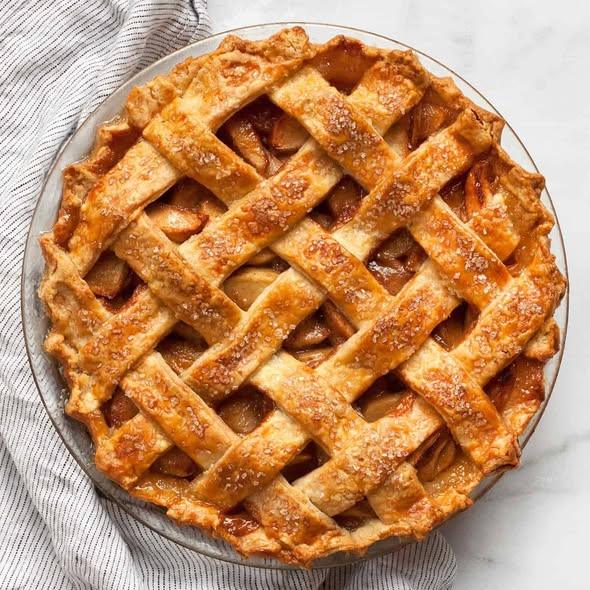
Lattice Apple Pie

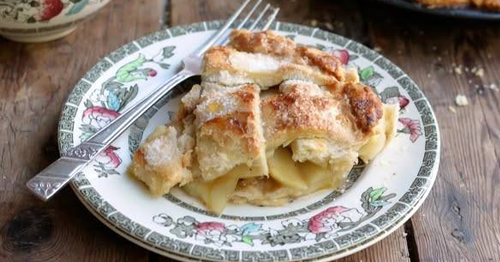
A classic lattice apple pie featuring a woven top crust made by layering 10-12 pastry strips over apple filling, allowing steam to escape for better caramelization.

  • 1kg apples, eg Granny Smith, Honey Crisp, Braeburn
  • 120 g sugar
  • 2 tbsp cornflour level
  • 1 tsp cinnamon, to taste
  • Juice of 1 medium lemon
  • Pastry. 2 sheets of Shortcrust
  • Milk or egg wash to glaze/seal
  • 1 tbsp sugar to sprinkle on top

Pastry

  1. Gently place 1 sheet of pastry into your pie dish press the dough into the corners and edges, all the way to the top edge of the dish.
  2. Trim any excess with a sharp knife.
  3. Cut the second sheet into strips, width depending on how much you like your pastry 🙂 Between 1 and 2 inch thick.
  4. Put the pie dish, lattices and any spare pastry in your fridge to chill while you make the apple pie filling.

Instructions

Preheat your oven to 200°C,180°C air fryer

Apple Pie Filling

  1. Peel, core and slice all of the apples (or chop into 1″ chunks) and place into a large mixing bowl.
  2. Add the lemon juice and mix together to coat the slices evenly.
  3. Next, add the sugar and cornflour and cinnamon and stir together to evenly coat the slices.
  4. Remove the chilled pie dish from the fridge and add your apple slices. You can do a fancy pattern if you want.

Begin creating your lattice!

  1. The design is up to you; simple weave where you lift one over and then one under.
  2. Brush the edges of the strips with milk/egg wash (where the strips meet the edge of the pastry base) and press firmly to seal the edges. This can get a little confusing so take your time. 😉
  3. Trim off the excess from the edges of the strips. If you like, finish it by pressing the back end of a fork into it to create pretty grooves round the edges!
  4. Brush the whole pie top with milk/egg wash and sprinkle 1 tablespoon of sugar on top.

Bake

  1. Place the pie in your preheated oven and bake for 15 minutes.
  2. After 15 minutes, reduce the temperature to 180°C (160° air fryer) and bake for a further 30-35 minutes.
  3. The pie will be baked when the crust is a lovely golden brown colour, the filling should be bubbling slightly and an apple slice should feel very soft when you poke a sharp knife into it.
  4. Leave to cool completely before serving, as the filling thickens and firms up as it cools. This allows you to cut neater slices to serve.

No time for lattice?