12 Healthy Nuts

Goat Cheese Salad with Nuts & Dried Fruits

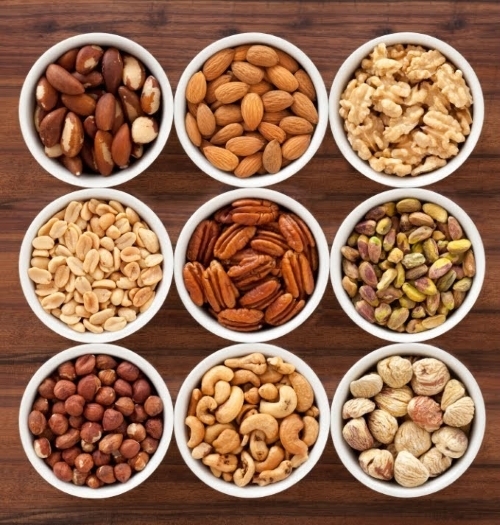
Nuts are considered highly healthy because they are nutrient-dense powerhouses packed with heart-healthy unsaturated fats, plant protein, fiber, and essential vitamins/minerals. Regular consumption is linked to lower “bad” cholesterol (LDL), reduced inflammation, improved heart health, and better weight management by promoting satiety.

  1. Almonds
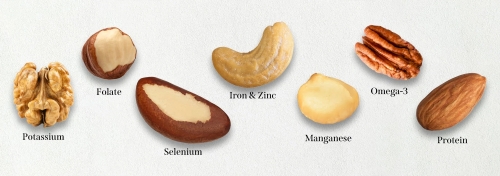
    Packed with heart-friendly monounsaturated fat, fibre and vitamin E, almonds have the highest calcium content of a nut – we need this mineral for robust bones, as well as for the correct function of our nerves and muscles. The beneficial fat and high fibre content of almonds means they help to manage cholesterol levels for heart health.
    Eating skin-on almonds may provide even greater benefits; supporting gut health by promoting the growth of beneficial strains of bacteria, including Lactobacillus and Bifido-bacteria. The skin is also full of protective compounds called flavonoids which have antioxidant benefits.

  2. Brazil Nuts
    Selenium is a mineral that acts as a protective antioxidant, it supports immunity and helps wounds heal. You only need one to three Brazil nuts a day to get all the selenium you require, because we only need this mineral in very small amounts. Also containing vitamin E and the polyphenols ellagic and gallic acid, Brazil nuts enhance our defence mechanisms and help regulate blood lipids.

  3. Cashew Nuts
    Because they contribute a good level of protein and are a useful source of minerals like iron and zinc, cashews make an excellent choice if you follow a vegetarian diet. They’re also rich in the mineral magnesium, which is thought to improve recall and delay age-related memory loss. Cashews are a source of heart-friendly mono-unsaturated fats and supply plant sterols, which may help manage cholesterol levels.

  4. Chestnuts
    By far the nut with the lowest fat and calories, chestnuts are rich in starchy carbohydrates and fibre, and in their raw form are a good source of vitamin C. They’re lower in protein than other nuts, but when ground can be used as a gluten-free flour for cakes and bakes.

  5. Hazelnuts
    Hazelnuts are the second richest nut source of heart-friendly mono-unsaturated fat, they also have anti-inflammatory properties and can be helpful in managing blood lipids. Rich in vitamins and minerals, they are effective at improving vitamin E status, especially in the elderly.

  6. Macadamia Nuts
    Although well known for their high fat content, macadamia nuts shouldn’t be feared. They are the richest nut source of heart-friendly mono-unsaturated fats and, as such, they help manage cholesterol and modulate the risk factors of heart disease. They’re a good source of fibre and make a useful contribution towards mineral intake, including magnesium, calcium and potassium.

  7. Pecan Nuts
    Heart-friendly pecans are packed with plant sterols, which are effective at lowering cholesterol levels. Pecans are also antioxidant-rich, which helps prevent the plaque formation which causes hardening of the arteries. They’re also rich in oleic acid, the mono-unsaturated fat which is famed for the heart-healthy benefits of olives and avocado.

  8. Pine Nuts
    pine nuts on a white background
    These little nuts are a key ingredients in pesto, and make a nutritious addition to salads, pasta or dips. Botanically, pine nuts are actually a seed rather than a nut and are derived from different species of pine cone.
    Being especially rich in vitamin E means including these little nuts in the diet may help support healthy skin and protect against ageing.
    Pine nuts help lower fasting blood glucose levels, and their rich polyphenol content may help prevent some of the health complications associated with diabetes.

  9. Pistachios
    A popular ingredient in desserts and puddings, pistachios add an intriguing colour to dishes, thanks to pigments which have antioxidant properties.
    Compared to most other nuts, pistachios have a lower fat and calorie content and contain the highest amount of potassium. They’re especially rich in phytosterols, which supports cardiovascular health. They’re also the only nut to provide reasonable levels of lutein and zeaxanthin, two antioxidants which play an important role in protecting the eyes.

  10. Walnuts
    Like all nuts, walnuts provide ‘good-for-you’ fats, and in this case, they are predominantly polyunsaturated fats (PUFAs). In fact, walnuts have the highest content of the short chain omega-3 essential fatty acid, alpha lipoic acid (ALA), of all edible plants, making them an incredibly valuable inclusion for those following a plant-focused diet.
    Eating walnuts appears to not only benefit us but our gut bacteria too.

  11. Peanuts
    Technically legumes, but providing similar benefits with more protein.
    Peanuts offer more protein than many tree nuts, making them helpful for maintaining muscle mass during weight management. The combination of protein, healthy fats, and fiber may provide sustained energy and satisfaction for many people.
    Peanuts also contain resveratrol, the same antioxidant found in red wine.

  12. Ginkgo Nuts
    Ginkgo nuts are nutty and slightly sweet nuts of the ginkgo tree. They are used for culinary and medicinal purposes in East Asian culture. Promoted as a dietary supplement for many conditions, including anxiety, heart disease, cognitive impairment and dementia, diabetes, premenstrual syndrome, schizophrenia, and tinnitus, among others. It has also been promoted with claims that it can enhance cognitive performance in healthy people.

15 Healthy Dried Fruits

Goat Cheese Salad with Nuts & Dried Fruits

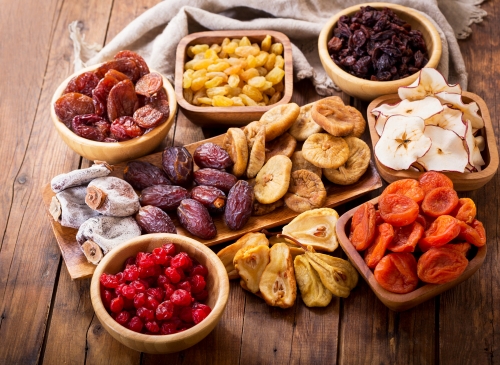
You don’t always need to choose fresh fruit to reap the benefits of vitamins and minerals. Dried varieties also offer essential nutrients, making them a worthwhile addition yo your diet.

  1. Dried Strawberries
    They might not be the first dried fruit you think of, but dried strawberries are rich in antioxidants and vitamin C, both of which are important for our immune system. Dried strawberries serve as a great addition to lettuce-based salad or add them to a smoothie for flavor, color, and nutrition.

  2. Dried Apricots
    Apricots are a nutrient-dense stone fruit, and in their raw form, they are rich in vitamins C and A.
    Their antioxidant content is revered for its role in the body, supporting immune, skin, and eye health, and they fight against oxidative stress. It is no surprise that many people opt for dried apricots when eating dried fruit.

  3. Dried Prunes
    Prunes and plums are nutritionally similar, but prunes stand out for digestive and bone health. They are a good source of soluble and insoluble fiber, encouraging healthy digestion and regular bowel movements.
    The vitamin K content in prunes is praised for its antioxidant effects that help prevent bone loss and encourage bone formation.
    Prunes are also rich in vitamin B6. This nutrient is important for brain development and keeping the immune and nervous systems healthy.

  4. Dried Figs
    Dehydrated figs are a soft, sweet, nutrient-packed snack. They are often associated with laxative effects, which prompt many people to eat them for digestive support.

  5. Dried Apples
    Dried apples may have fewer nutrients than other dried fruits. However, they are lower in calories. You can enjoy them in larger amounts without significantly increasing your daily calorie intake.
    Plus, they provide a decent amount of copper, which supports a healthy immune system and red blood cell formation.

  6. Dried Cranberries
    Cranberries are rich in vitamin C and many other important nutrients. However, dried cranberries lose some of those nutrients during dehydration. Still, they contain some vitamin C and a decent amount of fiber.

  7. Dried Mangos
    The mango is a tropical fruit that boasts a sweet taste and many health benefits. It’s a seasonal and highly perishable fruit, but you can enjoy its benefits all year round in dried form.
    Dried mango lasts much longer than fresh and still packs a nutritional punch. 100g serving offers 30% of the recommended daily intake for vitamin C.

  8. Raisins
    Despite their small size, raisins have a lot to offer nutritionally. They contain many vitamins and minerals, as well as a decent amount of fiber per serving.
    Raisins tend to be high in sugar and calories. However, when you eat them mindfully, raisins can support healthy digestion, iron levels, and bones.

  9. Dried Dates
    Dates are occasionally mistaken for prunes, but they are an entirely separate fruit. Because of their sweetness, they are often used as a sweetening agent in many vegan recipes.
    Dried dates have a long shelf life and typically take on a golden or red hue—a sign of their antioxidants and potential impact on the immune system.

  10. Dried Pears
    Dried pears offer many of the same nutrients as their fresh counterparts, even after dehydration. They have many of the same phytonutrients, like antioxidants and flavonoids, that offer several benefits.
    Plus, every half cup of dried pears provides almost 4 grams of fiber. Fiber can support healthy digestion, fight inflammation, and lower the risk of heart disease.

  11.  Dried Cherries
    Dried tart cherries are rich in color, like fresh cherries, which indicates a strong antioxidant profile. Fresh cherries have been linked to improved oxidative stress, nutrition-related lab values, and sleep.
    They are packed with vitamin C, and dried cherries retain much of the antioxidant.

  12. Dried Bananas
    Dried bananas are a good source of fiber, supporting gut and heart health. A half cup serving also provides 16% of the daily value recommended for potassium, an electrolyte necessary for cell function.

  13. Dried Coconut
    Dried coconut differs from other dried fruits in that it’s not as snackable. However, dried coconut shavings are a versatile ingredient that spices up a variety of recipes. You can add them to smoothies, açai bowls, baked goods, and more.
    Remember that coconuts are nutrient-dense. Even a small serving contains a significant amount of calories and fat. People trying to lower their calorie intake may opt for a different type of dried fruit.

  14. Dried Pineapple
    A digestive health booster, containing bromelain, an enzyme that aids digestion and reduces bloating. Low in fat and cholesterol, high in Vitamin C, supporting the immune system and collagen production.
    Mix dried pineapple with coconut flakes for a tropical snack or rehydrate and use in homemade salsas.

  15. Dried Papaya
    A tropical superfood, rich in papain, an enzyme that supports digestion and nutrient absorption, helping with pain reduction and acting as an anti-inflammatory.
    High in vitamin C, boosting immunity and promoting glowing skin.
    Full of antioxidants, reducing inflammation and helping prevent chronic diseases such as diabetes and arthritis.

Easiest Way to Chop an Onion

Jump to Video

Cooking Tips 🧅🧅🧅

Video: The best method for dicing an onion goes like this. First make sure you are using a sharp knife. Most uneven pieces and chopped fingers are because the knife is not sharp!

Instructions

  1. Peel the onion leaving the top for an easy grip.
    SHARP KNIFE
  2. Trim the bottom so the onion stands firm.
  3. Score the onion in downward cuts according to thickness wanted.
  4. Place the onion on it´s side and slice through.

Easiest Way To Chop An Onion

How to Cook a Perfect Steak

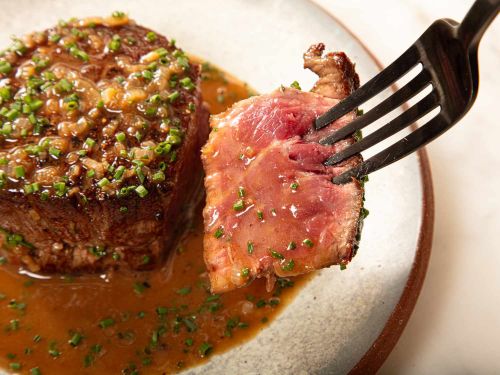
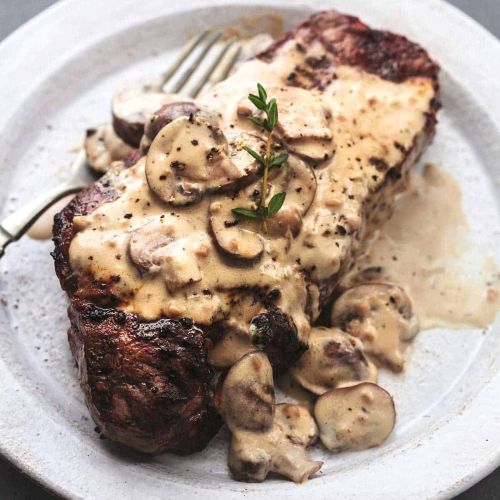
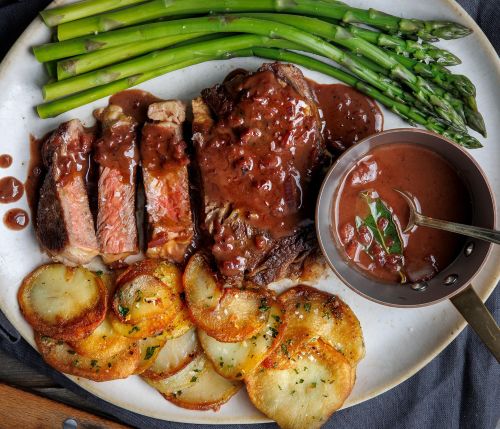
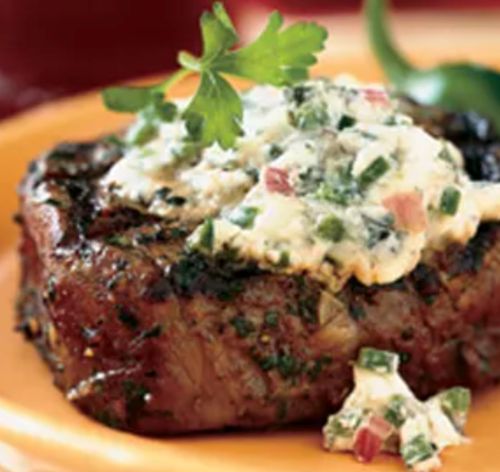
A classic steak with sauce is best achieved by pan-searing the steak in a hot pan (using butter/oil) and making a pan sauce while it rests. See below for 6 popular, quick, 5-minute sauces.

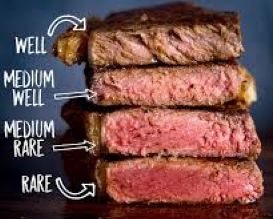
How Well Done?

As  guide. for a 1-inch thick steak, cook 2–3 minutes per side for rare, 3–4 minutes for medium-rare, 4–5 minutes for medium, 5-6 minutes for well-done over high heat.

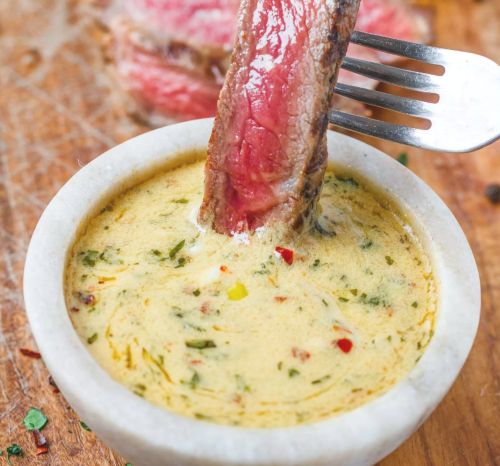
6 Great Sauces for Your Perfect Steak.

Peppercorn Sauce
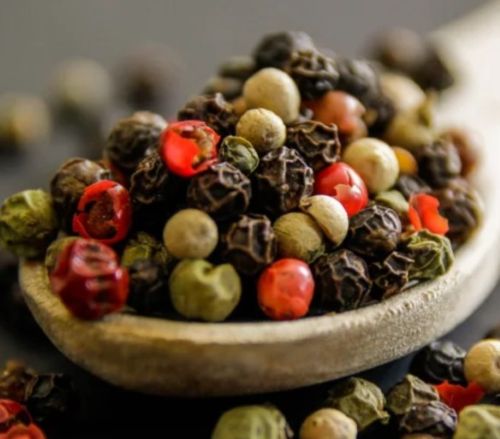
Creamy peppercorn sauce has a lovely rich warmth to it that goes so well with a juicy steak. Ready in 10 minutes!

Diane Sauce
Creamy Diane sauce, spiked with cognac and a touch of mustard, is fantastic for steak. Ready in 10 minutes!

Garlic Butter Sauce
This simple garlic butter is so versatile! Use to top steak, make your own garlic bread, or even stir into cooked pasta with a pinch of chilli flakes.

Creamy Mushroom Sauce
This creamy mushroom sauce is rich, velvety and utterly delicious. Serve with steak, using those pan juices for ultimate flavour.

Red Wine Sauce
Put those steak pan juices to work with a tangy, rich and decadent. sauce. The addition of beef stock ensures it stretches far enough that everyone has plenty!

Blue Cheese Sauce
Blue cheese sauce is a bold, creamy, tangy sauce with a hint of garlic that’s easy to whip up while your steak is resting.