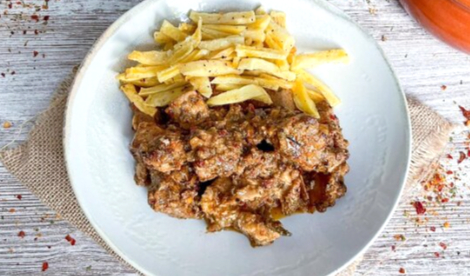
Canarian Fiesta Pork

Canarian Recipes: Carne Fiesta

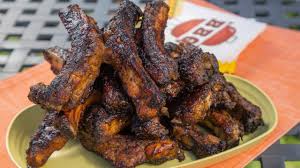
Fiesta meat is a traditional dish that is very popular in Tenerife. It consists of pork or sometimes beef,  usually lean meat, chops or ribs, which is marinated and then fried. It is commonly served at pilgrimages, local festivals and guachinches.

Ingredients
(Serves 4)

  • 1 kg of pork (chops,  chunks of lean meat or ribs)
  • 6–8 cloves of garlic
  • 1 tablespoon of sweet paprika
  • 1 teaspoon of dried oregano
  • ½ teaspoon of cumin
  • 2–3 bay leaves
  • 150 ml of dry white wine
  • 2 tablespoons of vinegar
  • Salt to taste
  • Olive or sunflower oil (for frying)

Preparing the Marinade
In a mortar (or blender), crush:

  • The garlic
  • The salt
  • The cumin
  • The oregano
  • Add the paprika, vinegar, and white wine.
  • Mix well until you have a fragrant marinade.

Marinating the Meat

  1. Place the meat in a large bowl. Add the marinade and bay leaves.
  2. Mix thoroughly to ensure all the meat is well coated.
  3. Cover and let it rest for at least 4 hours Ideally overnight in the fridge
  4. The longer it marinates, the more flavour it will have.

Cooking the Meat
Traditional method (commonly used in guachinches):

  1. Put the meat with all the marinade into a large frying pan or pot.
  2. Cook over medium heat until the liquid evaporates and the meat is tender
  3. Add a generous splash of oil. Fry the meat until it is well browned.
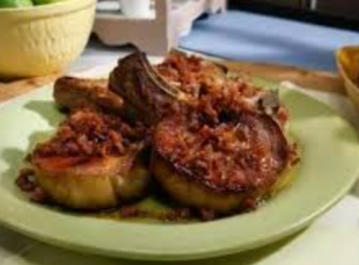
Croquetas de Pollo

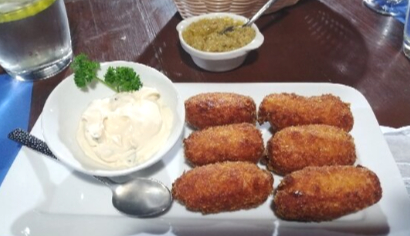
Chicken Croquetas are one of Tenerife’s beloved tapas. Think of a very thick bechamel to which you add any kind of meat, even fish or vegetables –ham, chicken, turkey, crab, shrimp, cod– diced or shredded very finely. Breaded and fried in olive oil.

Ingredients for 4 people (40 units):

  • 1 tablespoon extra-virgin olive oil
  • 12 ounces (340 g) boneless skinless chicken breast
  • Salt
  • 1/2 cup (110 g) butter, cut into pieces
  • 1 medium onion, very finely chopped
  • 3 cups (720 ml) whole milk
  • Freshly ground black pepper
  • inch freshly grated nutmeg
  • 1 cup (125 g) all-purpose flour, plus more for dusting
  • 2 eggs
  • 1 cup (140 g) fine breadcrumbs
  • Sunflower oil or mild olive oil for frying

How to make

  1. In a skillet or sauté pan, heat the olive oil over medium heat. Season the chicken with salt and sauté until cooked through, about 10 minutes. Transfer to a platter to cool. Cut the chicken into pieces and grind with a food processor.
  2. In a clean skillet or sauté pan, melt the butter over medium heat and add the onion. Cook over medium-low heat, until soft and transparent but not yet browned, about 12 minutes.
  3. Meanwhile, in a medium saucepan, bring the milk to a simmer; season with salt, pepper, and the nutmeg. Reduce the heat, cover the pan, and keep hot.
  4. Sift the flour into the skillet over the onion and cook, stirring constantly, for about 2 minutes. It should be a compact and just-moist ball. Spread out the ball in the pan and begin slowly stirring in the hot milk until the mixture is creamy and not too sticky when touched, about 5 minutes.
  5. Reduce the heat to low and fold in the ground chicken. Cook, gently stirring, for 2 minutes. The mixture should be spongy and can be touched without sticking to your finger.
  6. Transfer the mixture to a large bowl to cool. Once cool, cover with plastic wrap and refrigerate for several hours until chilled. (This will make forming the croquettes easier.)
  7. On a flat work surface dusted with flour, form croquettes into 2- to 2 1/2-inch (5- to 6.25-cm) long cylinders about 1 inch (2.5 cm) in diameter. Lightly roll in flour.
  8. Break the eggs in a bowl and thoroughly whisk. Place the breadcrumbs in a second bowl.
  9. Dip the croquettes in the egg and roll in breadcrumbs to completely cover.
  10. In a skillet or sauté pan, heat at least 3/4 inch/2 cm of sunflower oil over medium-high heat. Reduce the heat to medium-low.
  11. Working in small batches that don’t crowd the pan, fry the croquettes, turning frequently, until they are golden on the outside and hot and creamy at the center, about 2 minutes. Gently transfer them to absorbent paper towels to drain off excess oil.
  12. Serve hot.

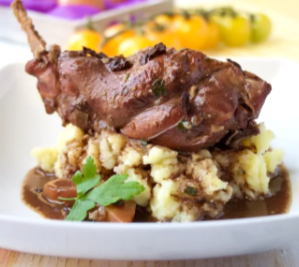
Canarian Rabbit in Red Wine

Canarian Recipes: Conejo Al Vino Tinto

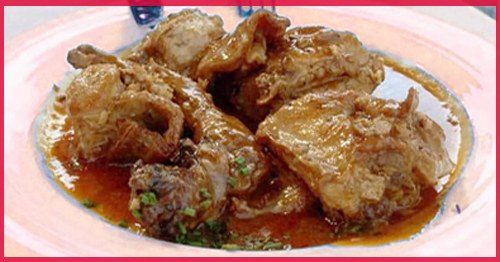
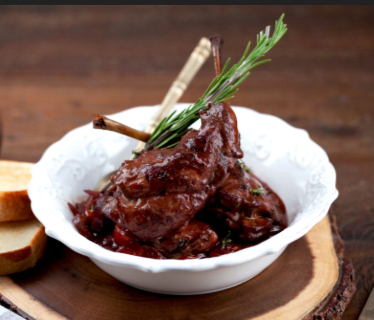
A wholesome slow-cooked rabbit recipe filled with autumnal flavours to warm you right up. The rabbit is very tender and moist as since rabbit is lean and can be tough if not prepared carefully.

  • 1 rabbit
  • Parsley
  • Bread, 1 slice
  • Salt
  • Pepper
  • 1 tomato
  • 200 gr mushrooms, optional
  • 5 cloves of garlic
  • Thyme
  • 1 bay leaf
  • 2 onions
  • 100 ml of red wine
  • 200 ml of meat broth
  • Olive oil

For the Paste

  1. We season the rabbit’s liver with salt and pepper.
  2. In a pan with a little oil, fry the liver. One minute on each side.
  3. In the same oil, fry 3 cloves of garlic. 2 minutes.
  4. Blend a little of the meat broth, the fried garlic, the liver, the slice of bread and a little parsley. We need to make a thick paste.

For the stew

  1. In the same pan where we fried the liver and garlic, we sear the rabbit pieces until they are golden. First the leg, then the shoulder and then the loin. About 5 minutes in total. We remove and set aside.
  2. Chop a clove of garlic and cut the onions into fine diced
  3. Grate the tomato and cut the mushrooms into quarters.
  4. Sauté the garlic and bay leaves for 30 seconds.
  5. Add the mushrooms and sauté for another 30 seconds.
  6. Add the onion and a little beef broth plus tomato, thyme and sauté for 1 minute.
  7. Add the red wine and reduce for 3 minutes.
  8. When the alcohol evaporates, add the pieces of rabbit leg and the remaining broth.
  9. After 5 minutes, add the shoulder.
  10. After 7 more minutes, add the loin. Add the paste and mix.
  11. Cook for 45 more minutes and add salt to taste.
  12. Add a final touch of thyme and serve.

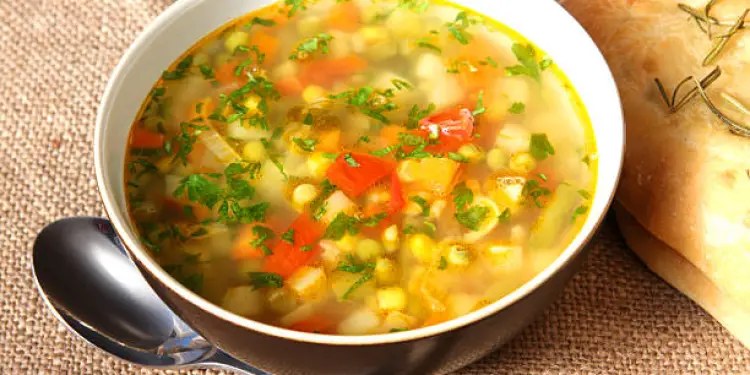
La Laguna: Homemade Vegetable Soup

Discover the delicious Laguna soup recipe! Perfect for cozy gatherings, loaded with flavor and warmth.

(Serves 4)

  • 1 litre of water or vegetable stock
  • 1 carrot (sliced or diced)
  • 1 potato (diced)
  • 1/2 onion (chopped)
  • 1 clove of garlic (chopped)
  • 1 stick of celery (sliced)
  • 1 courgette (diced)
  • 1/2 cup of green beans (optional)
  • 1 tomato (chopped, optional)
  • 1 tablespoon of oil
  • Salt and pepper to taste
  • Herbs to taste (bay leaf, parsley, coriander, or oregano)

Method

  1. In a large pot, heat the oil and sauté the onion and garlic until fragrant.
  2. Add the carrot, celery, and potato. Sauté for 2–3 minutes.
  3. Incorporate the tomato (if using) and mix well.
  4. Add the water or stock, salt, pepper, and herbs.
  5. Cook over medium heat for 20–25 minutes, until the vegetables are tender.
  6. Add the courgette and green beans; cook for another 5 minutes.
  7. Adjust the salt, remove any tough herbs (such as the bay leaf), and serve hot.

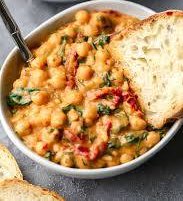
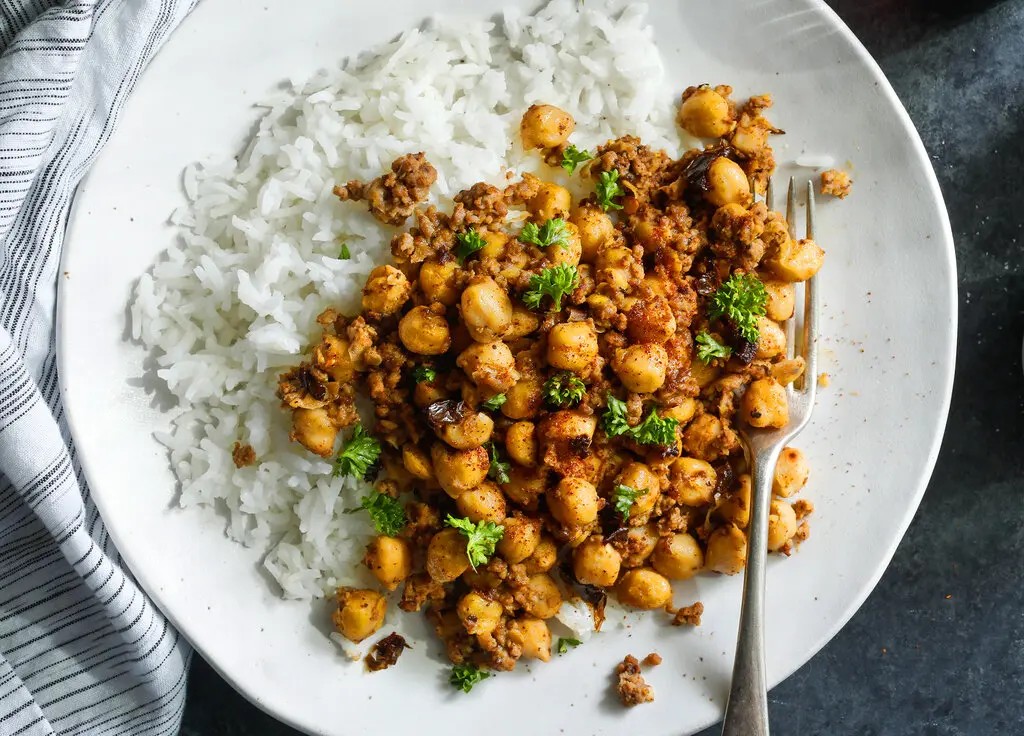
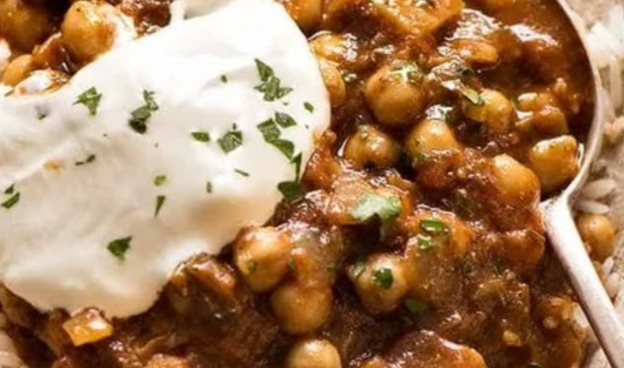
Chickpeas with Minced Meat

Canarian Recipes: Garbanzos con Carne Molida
See below for using dried chickpeas. use beef, pork or both

Ingredients

  • 1 tablespoon olive oil
  • 1 large chopped onion
  • 3 garlic cloves minced
  • ½ pound ground beef and ground pork
  • ½ pound ground pork
  • ½ teaspoon ground chili powder
  • ¼ teaspoon ginger
  • Salt and pepper
  • ½ cup beef stock
  • 2 tablespoons tomato paste
  • 2 cans of chickpeas rinsed and drained

Instructions

  1. Heat the olive oil in a medium pan over medium-high heat.
  2. Add the onions and cook until softened, about 4 minutes
  3. Add the garlic and cook 2 minutes more.
  4. Add the ground meat, and cook until well browned, about 6 to 8 minutes.
  5. Add the chili, ginger, salt, pepper and cook, stirring for 1 minute.
  6. Add in the beef stock, tomato paste and chickpeas and bring to a boil. Reduce heat to medium, and cook for about 20 to 25 minutes.
  7. Serve warm with rice, mash, crusty bread.

Using Dried Chickpeas Instant Pot

  • 1/3 kg chickpeas
  • Water to cover plus 1 inch
  • Salt

Instructions
Cover the chickpeas by 1-inch of water. Add 1 tsp salt.
For slightly lightly chewy chickpeas (used for salad): Cook on high pressure for 45 minutes followed by a 10 minute natural pressure release.
For Soft and Tender Chickpeas (used for hummus): Pressure cook on high pressure for 50 minutes followed by a 15 minute natural pressure release.*

The Traditional Soaking Way

  • 1/3 kg chickpeas
  • Water

Instructions

  1. Soak chickpeas overnight, or for at least 8 hours in water. You will need about 3 times as much water as chickpeas. They will more than double in size.
  2. When ready strain the chickpeas, put them back in the pan, and then cover with fresh water. The water line should be at least several cm (a couple of inches) above the chickpeas. This allows for further swelling and water evaporation during cooking.
  3. Cook the chickpeas for at least 90 minutes, possibly for 2 hours. They are ready when you can easily squash them between two fingers.
  4. During the cooking process, you can remove the white foamy stuff by scraping it off with a large spoon.
  5. When cooked, strain with a large colander and rinse with clean water and allow to cool.

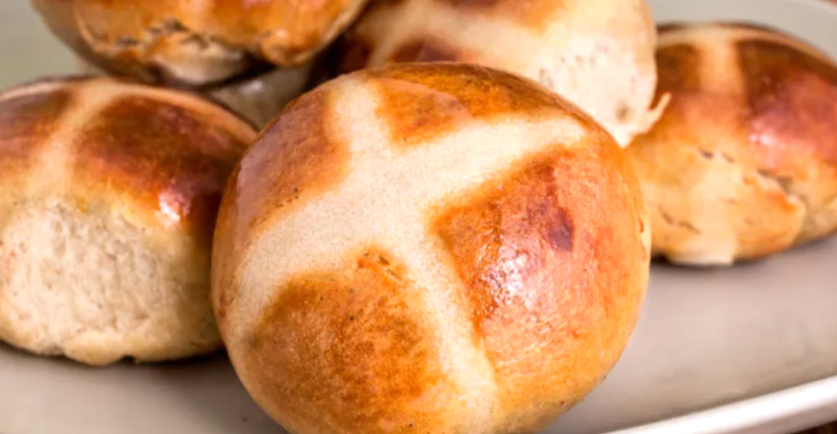
San Antonio Abad Bread

Recipe from La Laguna Tenerife: This bread symbolises protection, sustenance, and generosity. In many communities, a blessed piece is kept at home throughout the year as a sign of abundance and care for the household and animals.

Ingredients

  • 1 kg of wheat flour
  • 25 g of fresh yeast (or 8 g of dried yeast)
  • 500 ml of lukewarm water
  • 2 tablespoons of olive oil
  • 1 teaspoon of salt
  • 1 tablespoon of sugar (optional, depending on local tradition)

Preparation

  1. Dissolve the yeast in a little lukewarm water along with the sugar and leave to rest for 10 minutes until frothy.
  2. Place the flour in a large bowl, add the salt, and mix well.
  3. Incorporate the dissolved yeast, the remaining water, and the olive oil.
  4. Knead until you obtain a soft and elastic dough.
  5. Cover the dough with a clean cloth and leave to rise in a warm place for 1 hour, or until it has doubled in size.
  6. Shape into small loaves or one large loaf, according to tradition.
  7. Place them on a baking tray and let them rest for another 20 minutes.
  8. Bake at 180 °C for 30–40 minutes, until golden brown.
  9. Allow to cool. Traditionally, the bread is taken to be blessed on St. Anthony’s Day.

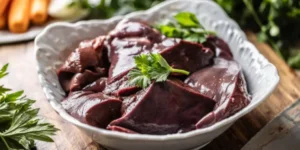
Asadura: Liver and Onions

Canarian Recipes: Asadura

In Tenerife, particularly during the celebrations of San Antonio Aba, traditional religious practices (such as the blessing of animals), livestock fairs, and processions are shared alongside typical dishes of Canary Island cuisine.

Ingredients

  • 1 kg of pig liver
  • 1 large onion
  • 4–5 cloves of garlic
  • 1 green pepper
  • 1 red pepper (optional)
  • 2 ripe tomatoes (or crushed tomato)
  • 1 small glass of white wine
  • 1 bay leaf
  • 1 teaspoon of sweet paprika
  • 1 teaspoon of oregano
  • Thyme (optional)
  • Salt and pepper
  • Olive oil
  • Fried or wrinkled potatoes for serving

Method

  1. Thoroughly clean the liver and cut it into small pieces.
  2. In a pot, cover it with water and boil for about 20–30 minutes with salt and a bay leaf.
  3. Drain and set aside.
  4. In a large frying pan or pot, heat some oil and sauté the chopped onion, garlic, and peppers.
  5. Add the grated or crushed tomato and cook until well reduced.
  6. Incorporate the boiled offal and sauté for a few minutes.
  7. Add the white wine, paprika, oregano, thyme, salt, and pepper.
  8. Cook over medium-low heat for about 15–20 minutes, until juicy and well combined.
  9. Adjust the seasoning and let it rest for a few minutes before serving.

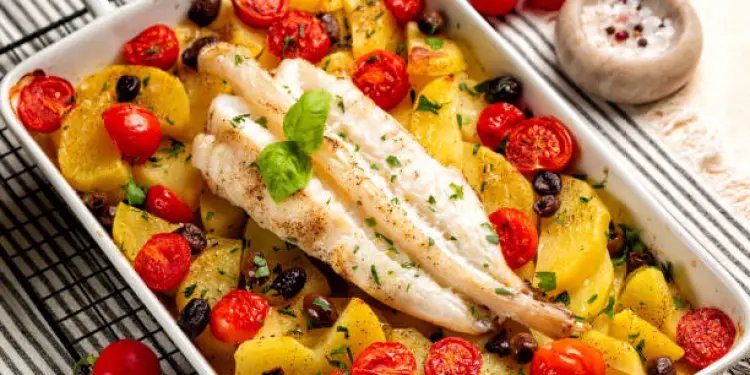
Canarian Baked Hake with Vegetables

Canarian Recipes: Merluza al horno con verduras

For 4 people
* 4 fillets or slices of hake
* 2 medium potatoes
* 1 large onion
* 1 green pepper (optional)
* 1 red pepper (optional)
* 1 courgette or carrot (optional)
* 2–3 cloves of garlic
* Extra virgin olive oil
* Salt and pepper
* White wine or fish stock (½ glass)
* Lemon or parsley (optional)
* Sweet paprika or Provençal herbs (optional)

Instructions

1. Preheat the oven to 180 °C (top and bottom heat).
2. Peel and slice the potatoes thinly. Cut the onion into julienne strips and the peppers/courgette into strips.
3. Place the vegetables in an oven dish, season with salt and pepper, and add a generous drizzle of oil.
4. Bake for 20–25 minutes until they are nearly tender (you can cover with foil).
5. Season the fish with salt and pepper and place it on top of the vegetables. Add the sliced garlic and pour over the wine or stock.
6. Bake for 12–15 minutes (depending on thickness). Optionally, grill for 2–3 minutes at the end.
7. Finish with chopped parsley or a few drops of lemon before serving.

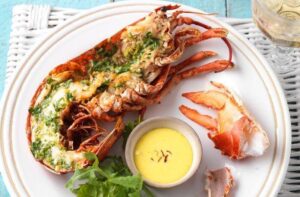
Grilled Lobster with Lemon Saffron Butter

Lobster meat is so delicate you don’t want to overcook it otherwise it hardens. The lobster once cooked will turn beautiful opaque in color with a white center.

 
Saffron Butter
  • 150g butter, room temperature
  • 3 tablespoons fresh lemon juice
  • Large pinch of saffron lightly crushed
  • sea salt
  • white pepper
  1. Melt butter in a sauce pan on low heat.
  2. Once warm and melted add in the saffron and whisk.
  3. Add the lemon juice and season butter to taste with salt and white pepper.
 
 
Lobster
Servings: 4
  • Butterfly Lobster Tails: Using kitchen scissors, cut the top shell of the lobster down the middle. If you cut through the meat that’s ok but don’t cut through the bottom shell.
  • Preheat the grill and place the rack about 6 inches away from the direct heat.
  • Spread open the shell a bit to expose the meat. Work carefully, shells can be sharp. Open the shell using your thumbs and fingers and loosen the meat from the shell (remove vein if present).
  • Lift the meat from the shell, keeping it attached at the base. Press the shell together and set the lobster meat over the top.
  • Brush the tops of the lobster tails generously with the saffron butter mixture.
  • Grill for about 4- 6 minutes until the meat is firm and opaque (white).
  • Serve with more saffron butter for dipping, lemon wedges and a sprinkling of fresh parsley. Sea salt to taste

How to Prepare Lobster
 
Whole lobster offers varied textures (claws, tail) and an interactive experience but is messier and harder to prep, while lobster tails provide convenient, meaty, firm portions ideal for easy cooking (grilling, butterflying) and recipes, though they lack claw meat and can be pricier per pound for the meat yield.
 
To prepare whole lobster, you can boil or steam it after dispatching it humanely (e.g., quick knife stab to the head), cooking until bright red (about 7 mins/lb), then serve with melted butter, or you can butterfly and grill/bake it for a different flavor profile, focusing on separating the tail, claws, and knuckles for easy meat extraction and enjoying the rich, flavorful tomalley (green liver).
 
The choice depends on desired convenience, budget, and the experience you want: tails for ease and consistent meat, whole for variety and tradition.

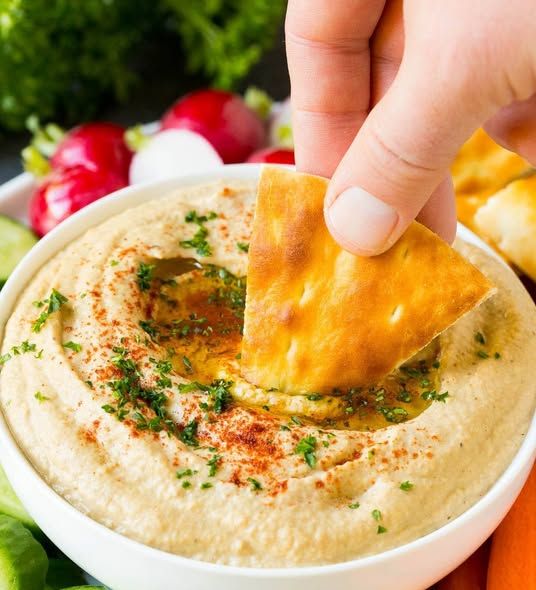
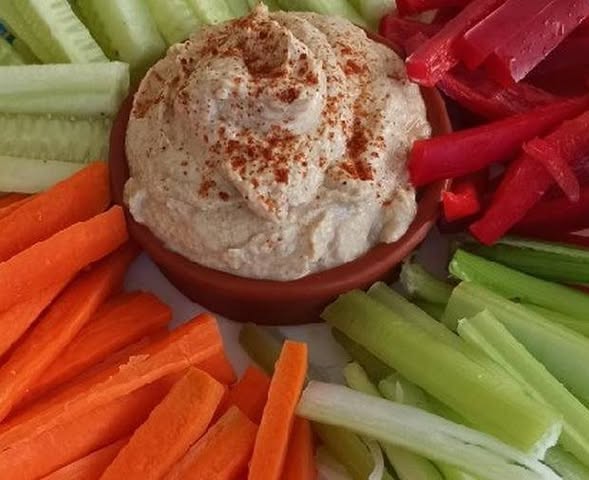
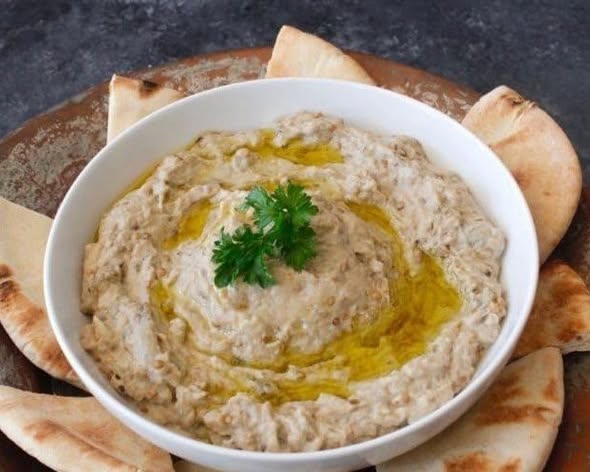
Easy Baba Ganoush


Classic Baba Ganoush Recipe – Smoky Middle Eastern roasted eggplant dip with garlic, lemon, olive oil. Mutabal and Baba Ghanoush are both smoky eggplant dips but Mutabal is creamy and tahini-based (often with yogurt), while Baba Ghanoush is chunkier, often without tahini.

Ingredients

  • 1 aubergine
  • 2 to 3 tbsp tahini paste, optional
  • 1 tomato diced
  • 1 onion diced
  • 2 cloves garlic, minced
  • ½ lemon juiced
  • 1-2 tbsp olive oil
  • herbs, salt, cayenne pepper, to taste

Method

  1. Roast the aubergine on high for about 15 minutes until the skin is burnt and the pulp is soft and tende
  2. Peel off the skin then mash it using a blender, fork or a potato masher.
  3. Add tomato, onion, garlic, lemon juice, olive oil, seasoning and blend.
  4. Chill.
  5. To serve, drizzle with a little bit of olive oil, and garnish.
  6. Serve with bread or vegetables.

Tips

  • Quick Fix for Watery Result: Mix with Greek yogurt and a bit more garlic and/or more tahini will make it thicken up.
  • Salting eggplant draws out the moisture, allowing it to get crispy and caramelized on the exterior, and keeping it from getting soggy in the final dish. Some say it removes bitter flavors, but since bitterness has been bred out of most modern eggplants, salting is primarily about texture.