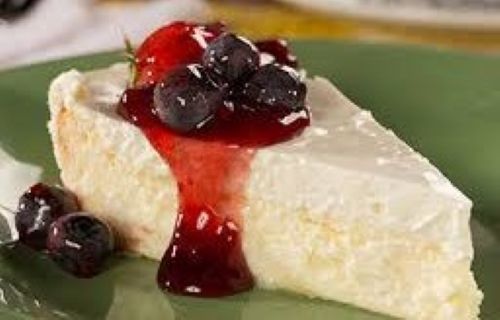
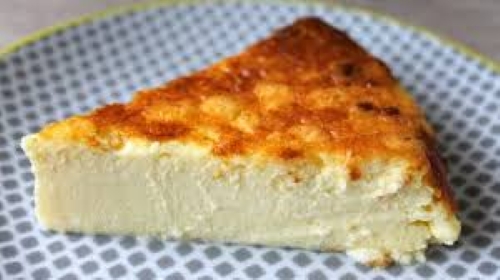
Crustless Creamy Cheesecake


While many variations exist worldwide, the creamy version that has become particularly famous in Spain is characterised by its minimal ingredients and a baking process that leaves the center incredibly moist.

Ingredients

  • 500 g cream cheese (such as Philadelphia)
  • 200 ml double cream (35% fat)
  • 150 g sugar
  • 3 large eggs
  • 1 tablespoon flour or cornstarch (optional, for stability)
  • 1 teaspoon vanilla extract (optional)
  • Butter or baking paper for the tin

Method

  1. Preheat the oven to 200 °C with both top and bottom heat.
  2. Line a round cake tin (20–22 cm) with baking paper. You may crumple the paper slightly to help it fit better.
  3. In a large bowl, combine the cream cheese and sugar. Mix until creamy and smooth.
  4. Add the eggs one at a time, mixing thoroughly after each addition.
  5. Mix in the double cream, vanilla, and flour or cornstarch if you choose to use it. Blend until the mixture is homogeneous.
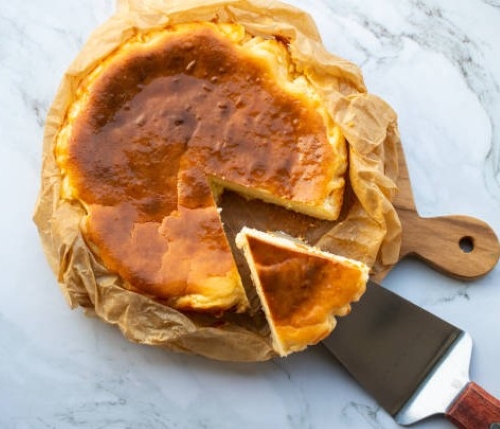
  6. Pour the mixture into the prepared tin and bake for 35–40 minutes. The surface should be golden, and the centre should still be slightly wobbly.
  7. Leave to cool at room temperature, then refrigerate for at least 4 hours (preferably overnight) to achieve a creamier texture.
Tips

Do not overbake the cheesecake: the center should remain slightly wobbly when taken from the oven.

Use cream cheese at room temperature to avoid lumps.

For an even creamier texture, you may omit the flour from the recipe.

Add a little more flour (or gelatin) and bake less to reduce browning.

Unflavored gelatin is an excellent substitute for corn flour (cornstarch) to thicken liquids, custards, fillings, and puddings. Use a 1:1 ratio, but dissolve it in water first to prevent clumping. Gelatin creates a smoother, clearer set rather than a starchy texture.
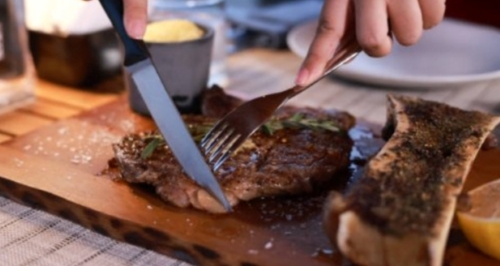
Ribeye Steak with Roast Potatoes

Grilled entrecôte with baked potatoes is a classic dish much appreciated for its simplicity and intense flavour. The entrecôte, known for its juiciness and balance of meat and fat, is cooked quickly on the grill to maintain its tenderness and enhance its natural taste.

Accompanied by crispy baked potatoes on the outside and soft on the inside, this dish is perfect for both special occasions and hearty lunches. The combination of the golden meat with the aroma of roasted potatoes and herbs creates a homely, savoury, and comforting meal.

Ingredients for 2

  • 2 beef entrecôtes
  • Coarse salt to taste
  • Black pepper to taste
  • 1 tablespoon of olive oil
  • 1 clove of garlic (optional)
  • 1 sprig of rosemary or thyme (optional)

For the Baked Potatoes

  • 3–4 medium potatoes
  • 2 tablespoons of olive oil
  • Salt to taste
  • Pepper to taste
  • 1 teaspoon of sweet paprika (optional)
  • 1 clove of minced garlic
  • Chopped fresh parsley (optional)

Method

  1. Preheat the oven to 200 °C.
  2. Wash the potatoes thoroughly and cut them into wedges or medium cubes.
  3. lace them on a baking tray and add olive oil, salt, pepper, minced garlic, and paprika.
  4. Mix well to ensure everything is evenly coated.
  5. Bake for 30–40 minutes, stirring halfway through, until golden and crispy.
  6. Remove the meat from the refrigerator 15–20 minutes beforehand to reach room temperature.
  7. Season with coarse salt and pepper.
  8. Heat a frying pan or griddle over high heat with a little olive oil.
  9. Cook for 3–4 minutes on each side for medium rare.
  10. Adjust the time based on your preferred level of doneness.
  11. Optionally, add garlic and rosemary to the pan for extra flavour.

Serving

Let the meat rest for 2–3 minutes before slicing.
Serve the entrecôte alongside the baked potatoes.
Sprinkle fresh parsley over the potatoes for added colour and aroma.

Tip: For an extra burst of flavour, add a small knob of butter on the hot entrecôte just before serving.

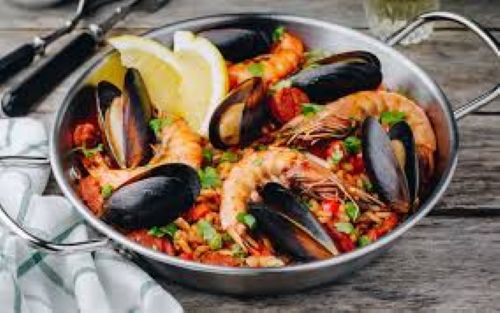
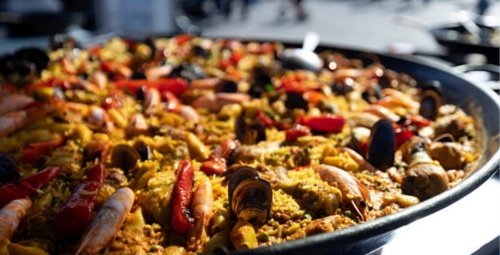
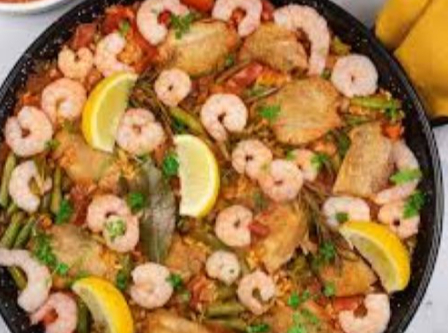
Chicken and Seafood Paella

Canarian Recipes: Paella de pollo y marisco

A recipe rich in flavour and tradition, this dish combines the best of land and sea in a single paella pan, creating a tasty, aromatic rice dish perfect for family sharing. Ideal for a special meal.

Ingredients

(Serves 4)

  • 400 g round rice
  • 2 chicken thighs, chopped
  • 150 g prawns or king prawns
  • 200 g mussels
  • 100 g squid rings
  • 1 ripe grated tomato
  • 1/2 red pepper, sliced
  • 2 cloves of garlic
  • 1 litre fish or chicken stock
  • 1 teaspoon sweet paprika
  • A few strands of saffron or food colouring
  • Extra virgin olive oil
  • Salt to taste
  • Lemon (optional for serving)

Method

  1. In a large paella pan, add a generous dash of olive oil and brown the chicken pieces over medium-high heat until well browned. Remove and set aside.

  2. In the same paella pan, sauté the chopped garlic and red pepper. Add the grated tomato and cook for a few minutes until the sofrito thickens.

  3. Incorporate the squid and sauté for a couple of minutes. Then add the sweet paprika, mixing quickly to prevent burning.

  4. Add the rice and stir for a minute to allow it to absorb the flavours of the sofrito.

  5. Pour in the hot stock, add the saffron or food colouring, and season with salt. Distribute the chicken, prawns, and mussels evenly across the paella pan.

  6. Cook over medium heat for about 18–20 minutes without stirring, until the rice is cooked and the stock has been absorbed.

  7. Remove from the heat and allow the paella to rest for 5 minutes before serving.

Tip
Serve the paella with lemon wedges and accompany it with a fresh salad.
Change seafood to suit your taste.


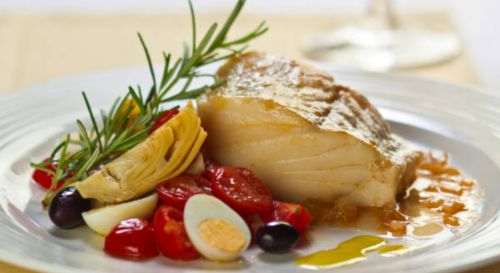
Cod in Pil-Pil Sauce

Canarian Recipes: Bacalao al pil-pil

Cod al pil-pil is a traditional dish originally from the Basque Country made with cod, olive oil, garlic and chilli. It is famous because the sauce is formed by emulsifying the natural gelatin of the cod with the oil, without adding flour or cream.

For 4 people

  • 4 cod fillets 
  • 200–250 ml olive oil
  • 3–4 garlic cloves
  • 1 dried chili pepper
  • Salt

Instructions

  1. Slice the garlic.
  2. Heat the oil over medium heat and sauté the garlic and chili pepper until golden brown.
  3. Remove the garlic and chili pepper and set aside.
  4. Place the cod in the same oil, skin-side up.
  5. Cook over low heat for about 4–5 minutes.
  6. Remove the cod and let the oil cool slightly.
  7. Swirl the pan or use a strainer to emulsify the oil with the cod juices until the sauce thickens.
  8. Return the cod to the pan.
  9. Add the garlic and chili pepper on top.

Tip:
The oil shouldn’t be too hot, or the sauce won’t emulsify.


Canarian Cachopos

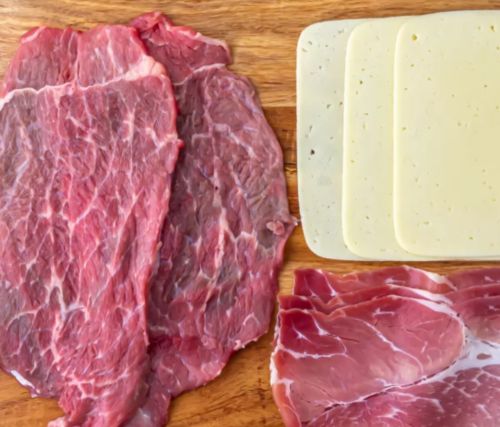
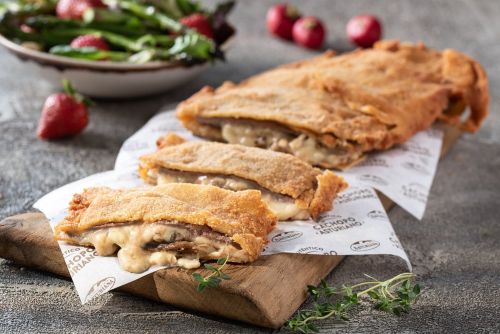
Cachopo is one of the most characteristic beef dishes of Asturian cuisine, although its consumption has now spread throughout Spain and the Canaries. It consists of two thin beef fillets stuffed with cheese, ham or even vegetables, coated in breadcrumbs, and fried in hot oil.

Often served with chips as a main meal or can be sliced and served as a tapa.

Ingredients

  • 2 thin steaks of approx. 150g each
  • 50g of sliced ​​Serrano ham
  • 50g of sliced ​​cheese
  • 3 or 4 small mushrooms sliced (optional)
  • Flour
  • 1 medium egg
  • Breadcrumbs
  • Frying oil
  • Salt and pepper

Instructions

  1. If using mushrooms, fry lightly in butter or oil and set aside.
  2. Heat plenty of oil in a frying pan.
  3. Place the steaks on a board and flatten them.
  4. Spread the mushrooms, ham and cheese slices over one of the fillets and place the second fillet on top so that they fit together.
  5. Roll the cachopo in a plate of flour.
  6. Dip the cachopo in the beaten egg.
  7. Coat the cachopo in breadcrumbs and set aside.
  8. Fry the cachopo in the hot oil and let it cook for approximately 5 minutes, turning it over when half way.
  9. Remove the cachopo and let it rest briefly on a plate with kitchen paper to absorb the excess oil.

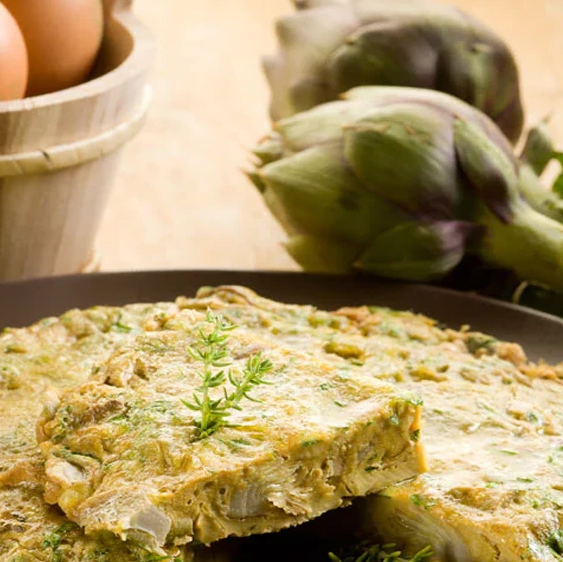
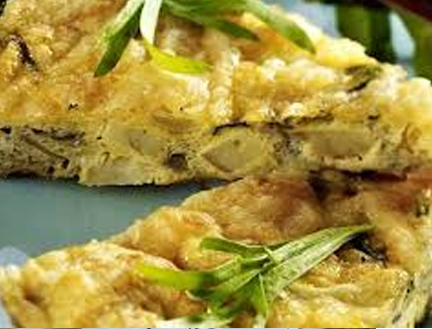
Artichoke Tortilla

Canarian Recipes: Tortilla de Alcachofas

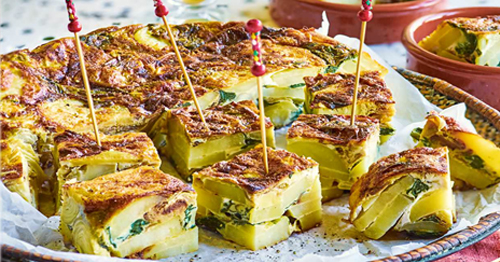
Ideal for a light dinner or tapas. Can be served as an appetizer, main course, or even as part of a light meal alongside a salad.

Ingredients:

  • 3–4 artichokes
  • 4 eggs
  • ½ onion (optional)
  • Olive oil
  • Salt

Preparation

  1. Clean and slice the artichokes.

  2. Sauté them with the onion until tender.

  3. Beat the eggs with salt and mix them with the artichokes.

  4. Cook in a frying pan on both sides until set.

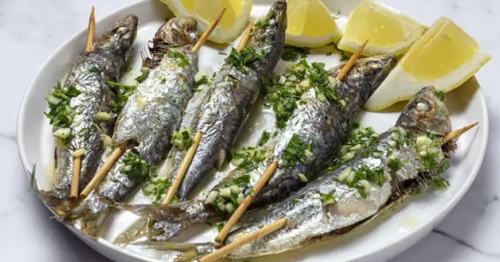
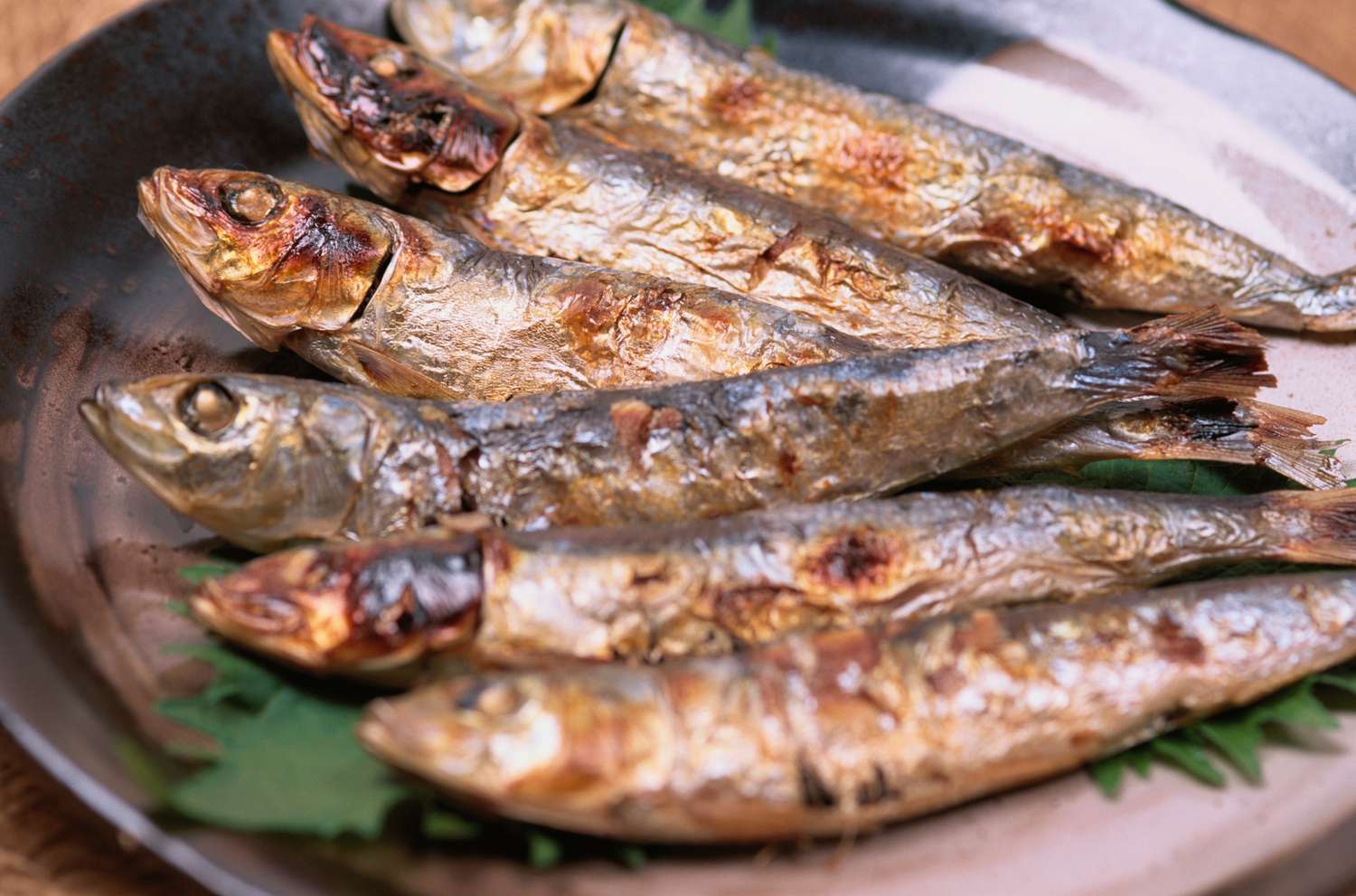
Canarian Baked Sardines

Canarian Recipes: Sardinas al Horno

Canarian baked sardines are a simple, nutritious Canary Islands specialty featuring fresh sardines, typically seasoned with coarse sea salt, olive oil, garlic, lemon, and sometimes parsley or potatoes.

For 4 people

  • 1 kg fresh, cleaned sardines
  • 3–4 cloves of garlic
  • 1 bunch of parsley
  • 2 lemons
  • Extra virgin olive oil
  • Coarse or fine salt
  • Pepper (optional)
  • A splash of white wine (optional)

Instructions

  1. Preheat the oven to 200 °C (fan and conventional).
  2. Arrange the sardines in a baking dish, laying them out flat. Sprinkle lightly with salt.
  3. Finely chop the garlic and parsley and sprinkle them over the sardines.
  4. Drizzle a generous amount of olive oil and, if desired, add a splash of white wine.
  5. Slice one lemon and place the slices on top of the sardines. With the other lemon, squeeze some juice over them.
  6. Bake for about 10–15 minutes, depending on the size of the sardines, until they are cooked through and slightly golden.
  7. Serve immediately, with additional lemon on the side to taste.

Ideal Accompaniments
Crispy bread for soaking up the juice
A simple salad of tomatoes and onions
Wrinkled potatoes


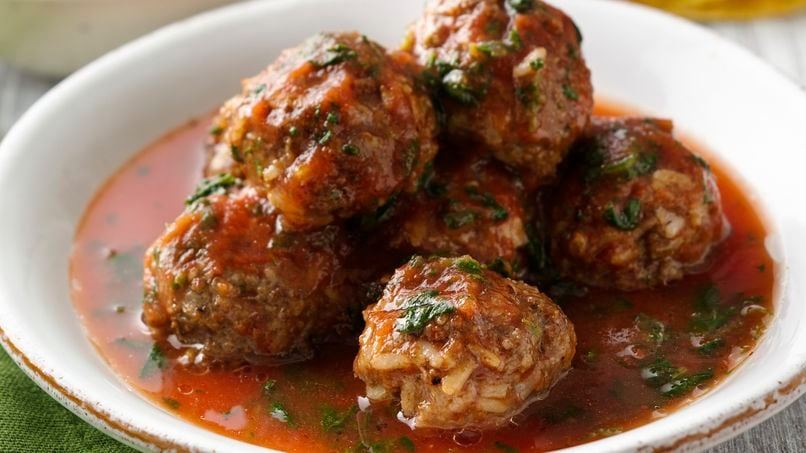
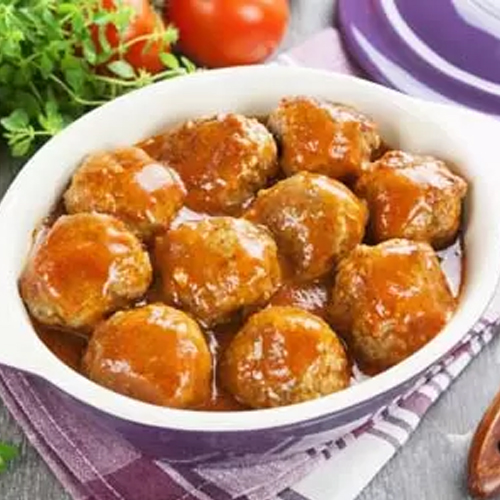
Easy Canarian Meatballs

Canarian Recipes: Albóndigas Canarias Fáciles

The ultimate recipe for making the best homemade meatballs, a traditional dish with soft and appetizing meatballs with a rich homemade tomato sauce.

Ingredients

  • 1.5 kg of ground beef
  • 1 egg
  • 2 tbsp breadcrumbs
  • 1 large onion
  • 2 cloves of garlic
  • 4 ripe tomatoes (or can)
  • Splash of brandy, optional
  • Sweet paprika
  • Flour to coat
  • Olive oil
  • Salt and black pepper

Instructions

  1. Mix the meat in a bowl with the whole egg, salt to taste, ground black pepper and breadcrumbs.
  2. Set aside for half an hour before shaping them.
  3. Roll them in flour, seasoned if you wish and sear them in oil.
  4. They should remain pink on the inside.
  5. In the same oil add the julienned onion, tomatoes, chopped and the garlic in pieces.
  6. Over medium heat continue frying until the sauce thickens a little.
  7. Blend or thicken a little if needed.
  8. Mix the sauce well with the meatballs and add the splash of brandy and sweet paprika
  9. Cook for about five minutes on low heat.


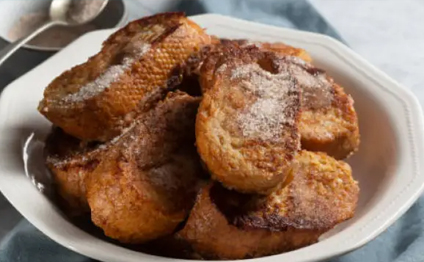
Wine-Infused Torrijas

Canarian Recipes: Torrijas al Vino


Torrijas are a humble dessert like French Toast that originated from thrift cooking: stale bread, a splash of wine or milk, sugar, and egg. With just a few ingredients, something magical is created: crisp and golden on the outside, yet juicy and flavourful on the inside.

Ingredients

  • 1 loaf of stale bread 
  • 500 ml of smooth red wine or sweet wine
  • 100 g of sugar (adjust to taste)
  • 1 cinnamon stick
  • Peel of 1 orange or lemon (optional, but recommended)
  • 2 eggs
  • Oil for frying
  • Sugar and cinnamon powder for sprinkling

Method

  1. Aromatise the Wine
    Combine the wine with sugar, the cinnamon stick, and the citrus peel in a saucepan.
    Bring to a gentle boil for about 5 minutes.
    Turn off the heat and allow to cool slightly.
  2. Slice the Bread
    Cut the bread into slices approximately 2–3 cm thick and place them in a large dish.
  3. Soak the Torrijas
    Gradually pour the cooled wine over the bread to soak it well without it falling apart.
    Leave to rest for a few minutes until thoroughly soaked.
  4. Dip in Egg
    Beat the eggs and carefully dip each soaked slice in the egg.
  5. Fry
    Heat plenty of oil in a frying pan and fry the torrijas until golden brown on both sides.
    Remove and drain on kitchen paper.
  6. Coat in Sugar and Cinnamon
    Mix sugar with a little cinnamon powder and coat the warm torrijas.

Tips
For a sweeter touch, drizzle a little honey on top.
These are even better the next day, as the flavours settle.
If the wine is too strong, you can mix it with an equal part of water.

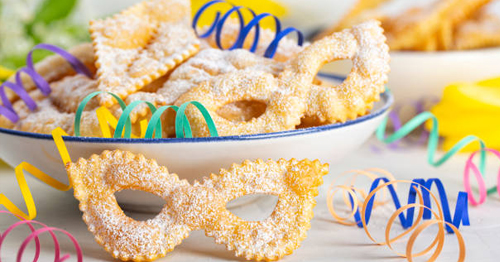
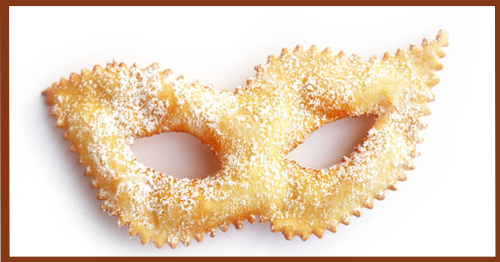
Carnival Puff Pastry Masks

Canarian Recipes: Máscaras de hojaldre de carnaval

With a simple sheet of puff pastry and a little creativity, these little masks become the stars of the show: decorative, easy to prepare, and above all, irresistible.

Sweet Puff Pastry Mask (Classic)

Ingredients

  • 1 sheet of puff pastry
  • 1 egg (for brushing)
  • Sugar or powdered sugar
  • Melted chocolate or jam (optional)
  • Fruit or sprinkles for decoration (optional)
  1. Preheat the oven to 180°C (350°F).
  2. Draw a mask shape on cardboard and use it as a template.
  3. Cut the puff pastry into mask shapes (also cut out the eye holes).
  4. Place them on a baking sheet lined with parchment paper.
  5. Brush with beaten egg.
  6. Sprinkle with a little sugar.
  7. Bake for 12–15 minutes until golden brown.
  8. Let cool and decorate with chocolate, icing lines, or powdered sugar. 

Savory Puff Pastry Mask (Cheese and Ham)

Ingredients

  • 1 sheet of puff pastry
  • Sliced ​​or grated cheese
  • Cooked or Serrano ham
  • 1 egg
  • Sesame seeds or oregano (optional)

Instructions

  1. Cut two mask shapes from each piece.
  2. On one, place cheese and chopped ham.
  3. Cover with the other sheet of puff pastry and seal the edges with a fork.
  4. Brush with beaten egg.
  5. Sprinkle with seeds or oregano.
  6. Bake at 180°C (350°F) for about 15–18 minutes until golden brown and puffed up. 

Chocolate or Cream-Filled Mask

Ingredients

  • 1 sheet of puff pastry
  • chocolate cream
  • pastry cream (or dulce de leche)
  • 1 egg
  • powdered sugar.

Instructions

  1. Cut two mask shapes for each unit.
  2. Place a thin layer of filling in the center (without reaching the edges).
  3. Cover with the other sheet and seal well.
  4. Carefully cut out the eye holes.
  5. Brush with egg wash.
  6. Bake at 180°C (350°F) for about 15 minutes.
  7. Let cool and sprinkle with powdered sugar.