Canarian Recipes: Huevos de Pascua Caseros
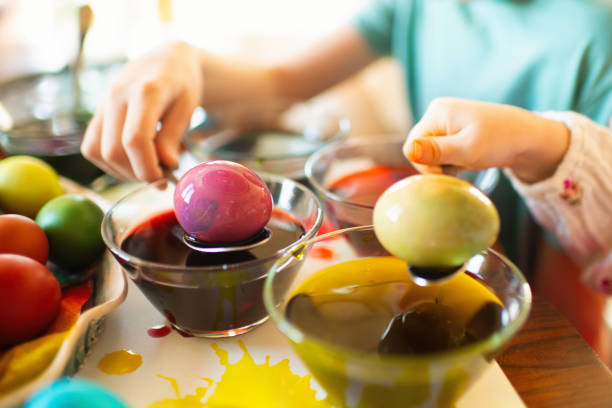
Easter eggs are one of the sweetest and most iconic symbols of Easter Sunday, a celebration that signifies rebirth and joy following Holy Week. Traditionally, the egg has represented new life, and over time it has evolved into delicious chocolate creations that are now a part of this festivity in many countries, including the Canaries.
Ingredients
- Chocolate (dark, milk, or white)
- Easter egg moulds
- Decorations: sprinkles, candies, nuts, etc.
- Fillings: sweets, cream, surprises (Optional)
Tips
- Use high-quality chocolate for better flavour and finish
- Avoid overheating the chocolate
- If you desire shine, consider tempering the chocolate
Tempering chocolate is the process of melting, cooling, and reheating chocolate to stabilize cocoa butter crystals, resulting in a shiny, snap-able finish that sets properly. It is crucial for candy dipping and molding. The essential method involves melting 2/3 of the chocolate, then using the remaining 1/3 as “seed” to cool it.

Preparation
- Melt the chocolate using a double boiler or microwave (in short intervals, stirring).
- Pour the melted chocolate into the moulds, ensuring it covers the entire surface.
- Place the moulds in the fridge for about 15–20 minutes until the chocolate is firm.
- To make the egg sturdier, add another layer of chocolate and refrigerate again.
- Carefully remove the halves from the mould.
- Place surprises inside and join the two halves with a bit of melted chocolate.
- Add colours, designs, or details to your liking.
Decoration Ideas
- White chocolate stripes over dark chocolate
- Faces or figures made with fondant
- Pastel colours with dyed sugar
- “Drip” style (drizzled)