Candelaria Cakes

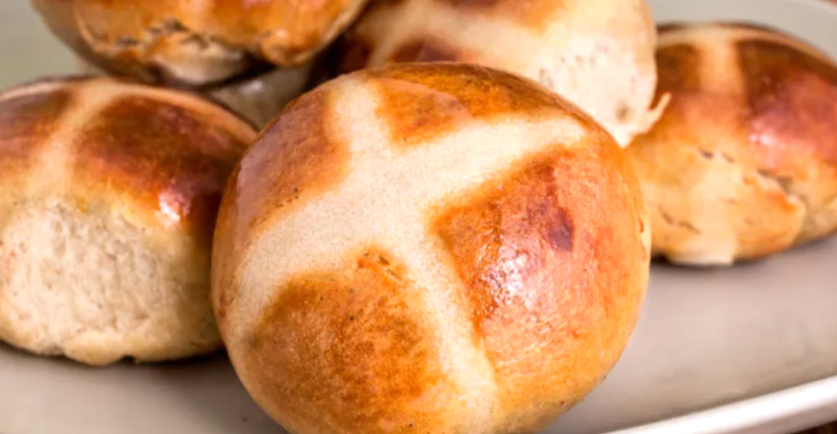
Canarian Recipes: Rosca de la Candelaria


The Rosca de la Candelaria is a simple and aromatic sweet bread, typically featuring a boiled egg embedded in the centre as a symbol of fertility, life, and renewal. February 2nd is Candlemas Day where ring-shaped cakes or pastries are made, which children take to church in baskets with rosemary branches to be blessed.

Ingredients for cookies
(Serves 4–6)

  • 125 ml of extra virgin olive oil
  • 1 tablespoon of aniseed
  • 20g fresh baker’s yeast / 8g dried baker’s yeast
  • 250 ml of lukewarm water
  • 2 tablespoons of honey
  • 1 egg
  • 600g of strong flour
  • 1 teaspoon of salt
  • Colored aniseed candies or balls
  • Sugar

Method 

  1. We put the aniseed in the oil
  2. In a container we put the yeast, the honey, the water, the egg a little beaten, the oil with the aniseed.
  3. We mix everything with a whisk.
  4. Add the flour and salt, mix and knead.
  5. We pour the dough onto the work surface
  6. We divide the dough into portions of about 60 g.
  7. We roll each portion into a ball.
  8. We place them on a baking tray, wet our hands with extra virgin olive oil and with our finger open a hole in the center.
  9. We flatten them with the palm of our hand and add the candies or aniseed balls.
  10. We sprinkle sugar on top and let them rest for another half hour or an hour, until they rise again.
  11. Later. Preheat the oven to 180°C.
  12. Once it’s hot, put the cakes in.
  13. Depending on the size, they’ll take between 20 and 30 minutes.
  14. We put them on a wire rack to cool and they’re ready for a snack.

Canarian Fiesta Pork

Canarian Recipes: Carne Fiesta

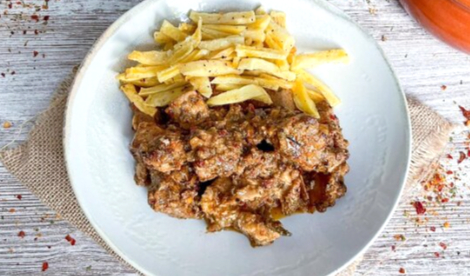
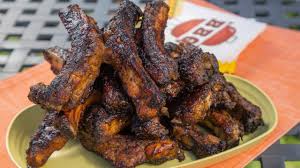
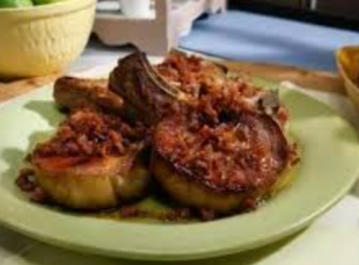
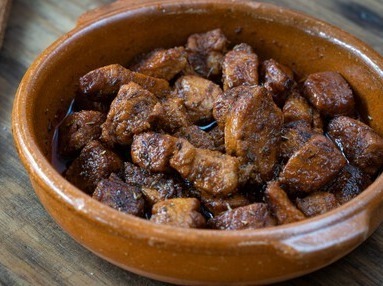
Fiesta meat is a traditional dish that is very popular in Tenerife. It consists of pork or sometimes beef,  usually lean meat, chops or ribs, which is marinated and then fried. It is commonly served at pilgrimages, local festivals and guachinches.

Ingredients
(Serves 4)

  • 1 kg of pork (chops,  chunks of lean meat or ribs)
  • 6–8 cloves of garlic
  • 1 tablespoon of sweet paprika
  • 1 teaspoon of dried oregano
  • ½ teaspoon of cumin
  • 2–3 bay leaves
  • 150 ml of dry white wine
  • 2 tablespoons of vinegar
  • Salt to taste
  • Olive or sunflower oil (for frying)

Preparing the Marinade
In a mortar (or blender), crush:

  • The garlic
  • The salt
  • The cumin
  • The oregano
  • Add the paprika, vinegar, and white wine.
  • Mix well until you have a fragrant marinade.

Marinating the Meat

  1. Place the meat in a large bowl. Add the marinade and bay leaves.
  2. Mix thoroughly to ensure all the meat is well coated.
  3. Cover and let it rest for at least 4 hours Ideally overnight in the fridge
  4. The longer it marinates, the more flavour it will have.

Cooking the Meat
Traditional method (commonly used in guachinches):

  1. Put the meat with all the marinade into a large frying pan or pot.
  2. Cook over medium heat until the liquid evaporates and the meat is tender
  3. Add a generous splash of oil. Fry the meat until it is well browned.

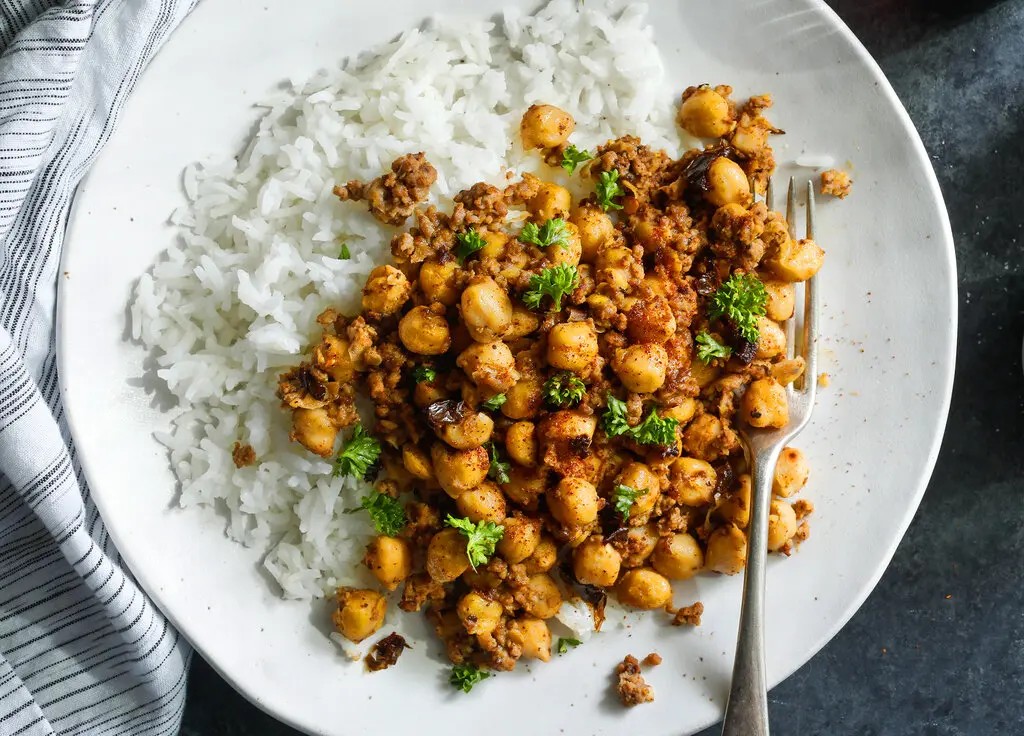
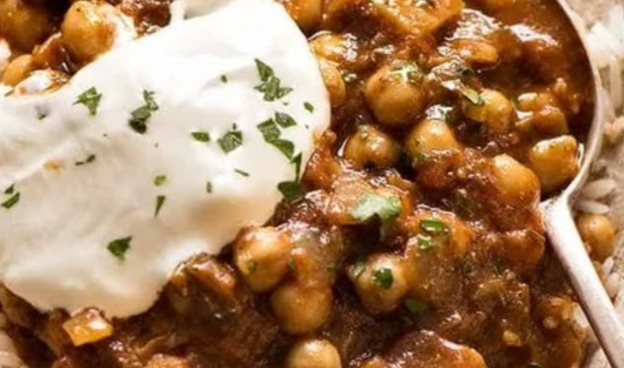
Chickpeas with Minced Meat

Canarian Recipes: Garbanzos con Carne Molida
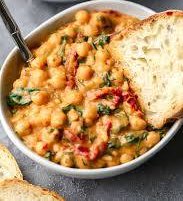
See below for using dried chickpeas. use beef, pork or both

Ingredients

  • 1 tablespoon olive oil
  • 1 large chopped onion
  • 3 garlic cloves minced
  • ½ pound ground beef and ground pork
  • ½ pound ground pork
  • ½ teaspoon ground chili powder
  • ¼ teaspoon ginger
  • Salt and pepper
  • ½ cup beef stock
  • 2 tablespoons tomato paste
  • 2 cans of chickpeas rinsed and drained

Instructions

  1. Heat the olive oil in a medium pan over medium-high heat.
  2. Add the onions and cook until softened, about 4 minutes
  3. Add the garlic and cook 2 minutes more.
  4. Add the ground meat, and cook until well browned, about 6 to 8 minutes.
  5. Add the chili, ginger, salt, pepper and cook, stirring for 1 minute.
  6. Add in the beef stock, tomato paste and chickpeas and bring to a boil. Reduce heat to medium, and cook for about 20 to 25 minutes.
  7. Serve warm with rice, mash, crusty bread.

Using Dried Chickpeas Instant Pot

  • 1/3 kg chickpeas
  • Water to cover plus 1 inch
  • Salt

Instructions
Cover the chickpeas by 1-inch of water. Add 1 tsp salt.
For slightly lightly chewy chickpeas (used for salad): Cook on high pressure for 45 minutes followed by a 10 minute natural pressure release.
For Soft and Tender Chickpeas (used for hummus): Pressure cook on high pressure for 50 minutes followed by a 15 minute natural pressure release.*

The Traditional Soaking Way

  • 1/3 kg chickpeas
  • Water

Instructions

  1. Soak chickpeas overnight, or for at least 8 hours in water. You will need about 3 times as much water as chickpeas. They will more than double in size.
  2. When ready strain the chickpeas, put them back in the pan, and then cover with fresh water. The water line should be at least several cm (a couple of inches) above the chickpeas. This allows for further swelling and water evaporation during cooking.
  3. Cook the chickpeas for at least 90 minutes, possibly for 2 hours. They are ready when you can easily squash them between two fingers.
  4. During the cooking process, you can remove the white foamy stuff by scraping it off with a large spoon.
  5. When cooked, strain with a large colander and rinse with clean water and allow to cool.

San Antonio Abad Bread

Recipe from La Laguna Tenerife: This bread symbolises protection, sustenance, and generosity. In many communities, a blessed piece is kept at home throughout the year as a sign of abundance and care for the household and animals.

Ingredients

  • 1 kg of wheat flour
  • 25 g of fresh yeast (or 8 g of dried yeast)
  • 500 ml of lukewarm water
  • 2 tablespoons of olive oil
  • 1 teaspoon of salt
  • 1 tablespoon of sugar (optional, depending on local tradition)

Preparation

  1. Dissolve the yeast in a little lukewarm water along with the sugar and leave to rest for 10 minutes until frothy.
  2. Place the flour in a large bowl, add the salt, and mix well.
  3. Incorporate the dissolved yeast, the remaining water, and the olive oil.
  4. Knead until you obtain a soft and elastic dough.
  5. Cover the dough with a clean cloth and leave to rise in a warm place for 1 hour, or until it has doubled in size.
  6. Shape into small loaves or one large loaf, according to tradition.
  7. Place them on a baking tray and let them rest for another 20 minutes.
  8. Bake at 180 °C for 30–40 minutes, until golden brown.
  9. Allow to cool. Traditionally, the bread is taken to be blessed on St. Anthony’s Day.

Asadura: Liver and Onions

Canarian Recipes: Asadura

In Tenerife, particularly during the celebrations of San Antonio Aba, traditional religious practices (such as the blessing of animals), livestock fairs, and processions are shared alongside typical dishes of Canary Island cuisine.

Ingredients

  • 1 kg of pig liver
  • 1 large onion
  • 4–5 cloves of garlic
  • 1 green pepper
  • 1 red pepper (optional)
  • 2 ripe tomatoes (or crushed tomato)
  • 1 small glass of white wine
  • 1 bay leaf
  • 1 teaspoon of sweet paprika
  • 1 teaspoon of oregano
  • Thyme (optional)
  • Salt and pepper
  • Olive oil
  • Fried or wrinkled potatoes for serving

Method

  1. Thoroughly clean the liver and cut it into small pieces.
  2. In a pot, cover it with water and boil for about 20–30 minutes with salt and a bay leaf.
  3. Drain and set aside.
  4. In a large frying pan or pot, heat some oil and sauté the chopped onion, garlic, and peppers.
  5. Add the grated or crushed tomato and cook until well reduced.
  6. Incorporate the boiled offal and sauté for a few minutes.
  7. Add the white wine, paprika, oregano, thyme, salt, and pepper.
  8. Cook over medium-low heat for about 15–20 minutes, until juicy and well combined.
  9. Adjust the seasoning and let it rest for a few minutes before serving.

Canarian Fiesta Beef

Canarian Recipes: Carne Fiesta Canaria
Meal or Tapa, Fiesta Beef, an alternative to pork, is one of the most popular dishes in Canarian tourist cuisine. Served at celebrations traditionally but often seen on the more ´local´ tapas menus.

Ingredients for 4

  • 700 g of beef
  • 100 ml dry red wine
  • 50 ml of wine vinegar
  • 6 cloves of garlic
  • Salt, ground black pepper to taste
  • 2 tablespoons of sweet paprika
  • 1 tablespoon of oregano
  • 1 tablespoon thyme
  • ½ teaspoon hot pepper flakes or chili powder
  • 20 ml of oil

Method

  1. Crush the garlic, season with salt and pepper and mix with the oregano, thyme, sweet paprika and hot pepper flakes.
  2. Add the oil, wine and vinegar to the mixture.
  3. Mix with the meat and mix well. Leave to rest in the refrigerator for at least 3 hours or overnight.
  4. Remove the meat from the marinade. Heat oil and brown the meat.
  5. Add the marinade to the pan and cook over low heat for 15-30 minutes.
  6. Let it rest and serve with the desired garnish and bread.
  7. The perfect accompaniment to this recipe is the typical wrinkled potatoes or French fries.

Roscón de Reyes: Three Kings’ Cake

Canarian Recipes: Rosconttone


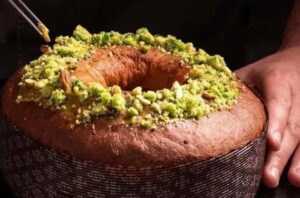
The Roscón de Reyes is one of the most eagerly awaited desserts of the year. As its name suggests, it is typical for the Epiphany on January 6th.

Many families gather on this day to share this sweet treat, adhering to tradition; whoever finds the fève (a hidden figurine) is expected to treat others.

  • 650 g strong flour
  • 250 ml whole milk
  • 25 g fresh yeast
  • 120 g white sugar
  • 120 g butter
  • 2 eggs and the yolk of another
  • 10 g salt
  • 2 tablespoons orange blossom water
  • The zest of 2 lemons
  • The zest of one orange

Ingredients to decorate the Roscón de Reyes:

  • An orange
  • Glazed fruits
  • 1 beaten egg
  • Pearl sugar
  • Flaked almonds

Your favourite ingredient for the filling:

  • cream
  • truffle
  • confectioner’s custard
  • angel hair (pumpkin jam)
  • sweet potato
  • chocolate.. figurine of the King
  • fava bean

Step by step method for making the Roscón de Reyes:

  • Heat the milk until it is lukewarm.
  • Mix 250ml of milk with 3 tablespoons of flour and shredded yeast.
  • ix it thoroughly until the yeast is fully dissolved.
  • Put the mixture to one side and leave it to ferment for 20 minutes (the warmer the ambient temperature, the quicker it will ferment).
  • In another bowl, add the rest of the dry ingredients: flour, sugar, salt and zest. Finally, add the milk, eggs, already fermented mixture, orange blossom water and melted butter. Mix until everything is well incorporated.
  • Flour a smooth surface and knead for a few minutes (from the outside inwards). Shape the dough into a ball and leave it to one side in a bowl covered with a cloth for a few hours or until it doubles in size (the warmer the ambient temperature, the quicker it will grow).
  • Once the dough has doubled in size, flour the same surface and knead it again. Shape your Three Kings’ cake (bear in mind that the dough will grow and the hole in the middle will become smaller).
  • Leave the dough to rest for an hour covered with clingfilm. Meanwhile, you can preheat the oven to 180 °C.
  • Brush your cake with the beaten egg and decorated it to taste.
  • Bake for 20 minutes or until you see it has turned a golden colour.
  • Remove the cake from the oven and leave it to cool for a few hours before cutting it in half to add your favourite filling and, of course, the bean.
  • Serve it with your favourite nougats and chocolates and enjoy!

Classic Fillings and Surprising Flavours
In addition to the classic roscón (without filling),there are various flavours of Rosconttones to cater to all tastes.
Their offerings include:

  • Nutella
  • Pistachio
  • Kinder
  • Pastry Cream