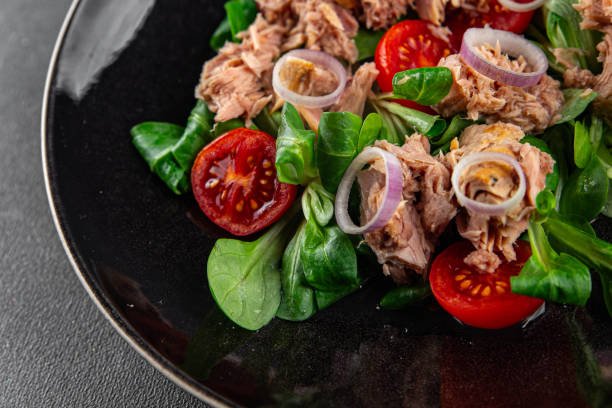
Tuna Salad (Quick and Healthy)

10-minute Mediterranean tuna salad without mayo! The tuna salad itself uses just the five ingredients (tuna, tomato, onion, boiled egg and lettuce) plus a quick light dressing.

Ingredients (serves 1–2)

  • 1 can of natural tuna (drained)
  • 1 large tomato or cherry tomatoes
  • ½ onion (optional)
  • 1 boiled egg (optional)
  • Green leaves (lettuce, spinach, or rocket)
  • Extra virgin olive oil
  • Lemon or vinegar
  • Salt and pepper

Instructions

  1. Wash and chop the tomato and onion.
  2. Place the green leaves in a bowl.
  3. Add the flaked tuna and diced egg.
  4. Dress with oil, lemon/vinegar, salt, and pepper.
  5. Toss and serve.

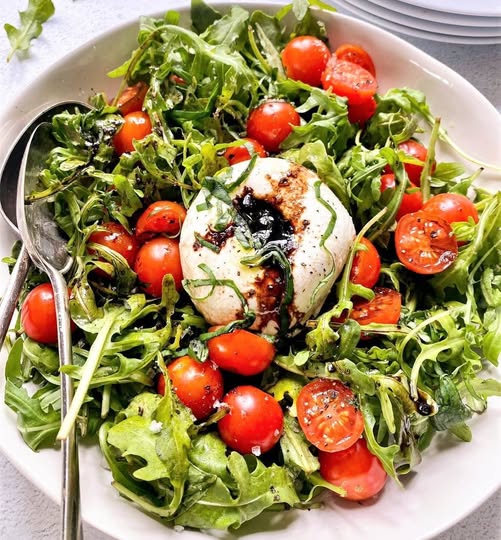
Burrata Salad

Canarian Recipes: Ensalada de Burrata

Burrata is a fresh, stretched – curd cheese made from cow’s milk. It has a round shape and an exterior similar to a pouch-like mozzarella with a characteristic apical closure. Inside, the texture is much softer and more stringy, similar to that of cream cheese.

Ingredients

  • Burrata Cheese or other fresh cheeses
  • Arugula
  • Lamb’s Lettuce
  • Cherry Tomatoes
    Avocado
  • Mango
  • Walnuts,
  • Pistachios
  • Raisins
  • Olive Oil
  • Honey

Mozzarella vs. Burrata: What’s the Difference?
Fresh mozzarella cheese is made from cow or water buffalo milk. It has a firm but elastic texture and can be sliced without losing its shape. Burrata cheese is mozzarella that’s formed into a thin pouch and then filled with a mixture of soft, stringy curd and cream called stracciatella.

What is the goat cheese in the Canary Islands?
Queso Palmero: This characteristic smoky cheese is made with raw milk from local goats, similar to mozzarella.
It’s available fresh, soft, semi-cured and cured.

Burrata cheese from Quesería Mansueto, a family business, dedicated to the production of cheeses and artisanal products, originally from Italy, with ingredients 100% made in the Canary Islands.
https://mansuetoqueseria.com

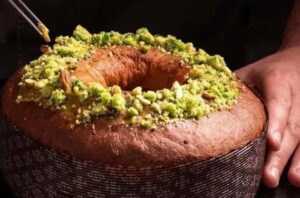
Roscón de Reyes: Three Kings’ Cake

Canarian Recipes: Rosconttone


The Roscón de Reyes is one of the most eagerly awaited desserts of the year. As its name suggests, it is typical for the Epiphany on January 6th.

Many families gather on this day to share this sweet treat, adhering to tradition; whoever finds the fève (a hidden figurine) is expected to treat others.

  • 650 g strong flour
  • 250 ml whole milk
  • 25 g fresh yeast
  • 120 g white sugar
  • 120 g butter
  • 2 eggs and the yolk of another
  • 10 g salt
  • 2 tablespoons orange blossom water
  • The zest of 2 lemons
  • The zest of one orange

Ingredients to decorate the Roscón de Reyes:

  • An orange
  • Glazed fruits
  • 1 beaten egg
  • Pearl sugar
  • Flaked almonds

Your favourite ingredient for the filling:

  • cream
  • truffle
  • confectioner’s custard
  • angel hair (pumpkin jam)
  • sweet potato
  • chocolate.. figurine of the King
  • fava bean

Step by step method for making the Roscón de Reyes:

  • Heat the milk until it is lukewarm.
  • Mix 250ml of milk with 3 tablespoons of flour and shredded yeast.
  • ix it thoroughly until the yeast is fully dissolved.
  • Put the mixture to one side and leave it to ferment for 20 minutes (the warmer the ambient temperature, the quicker it will ferment).
  • In another bowl, add the rest of the dry ingredients: flour, sugar, salt and zest. Finally, add the milk, eggs, already fermented mixture, orange blossom water and melted butter. Mix until everything is well incorporated.
  • Flour a smooth surface and knead for a few minutes (from the outside inwards). Shape the dough into a ball and leave it to one side in a bowl covered with a cloth for a few hours or until it doubles in size (the warmer the ambient temperature, the quicker it will grow).
  • Once the dough has doubled in size, flour the same surface and knead it again. Shape your Three Kings’ cake (bear in mind that the dough will grow and the hole in the middle will become smaller).
  • Leave the dough to rest for an hour covered with clingfilm. Meanwhile, you can preheat the oven to 180 °C.
  • Brush your cake with the beaten egg and decorated it to taste.
  • Bake for 20 minutes or until you see it has turned a golden colour.
  • Remove the cake from the oven and leave it to cool for a few hours before cutting it in half to add your favourite filling and, of course, the bean.
  • Serve it with your favourite nougats and chocolates and enjoy!

Classic Fillings and Surprising Flavours
In addition to the classic roscón (without filling),there are various flavours of Rosconttones to cater to all tastes.
Their offerings include:

  • Nutella
  • Pistachio
  • Kinder
  • Pastry Cream

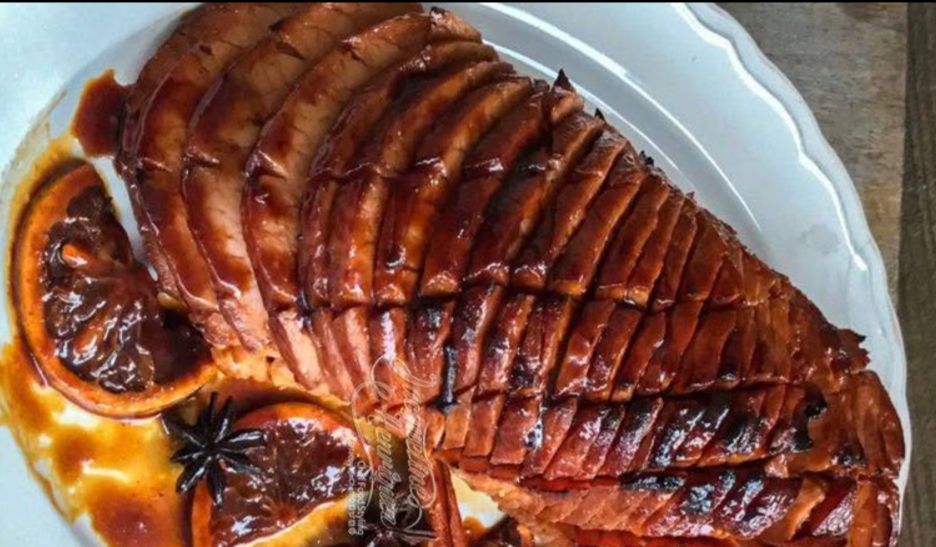
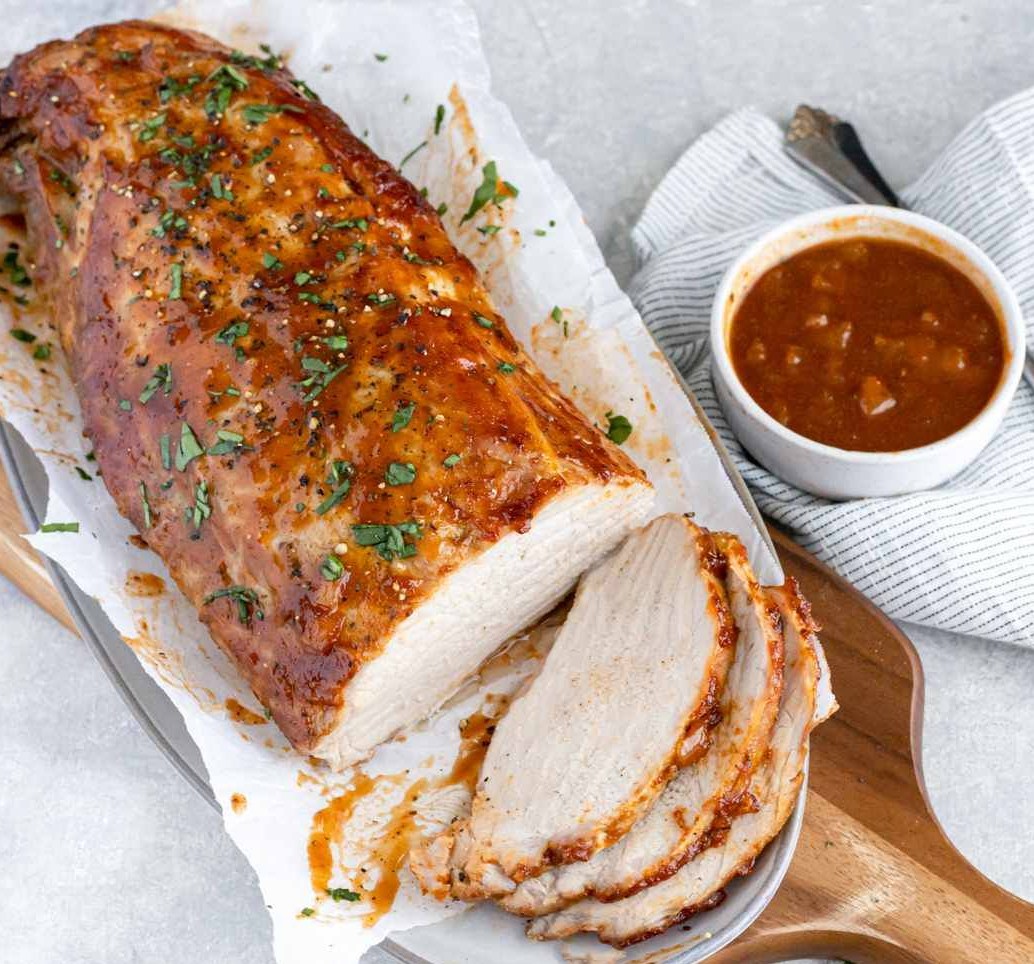
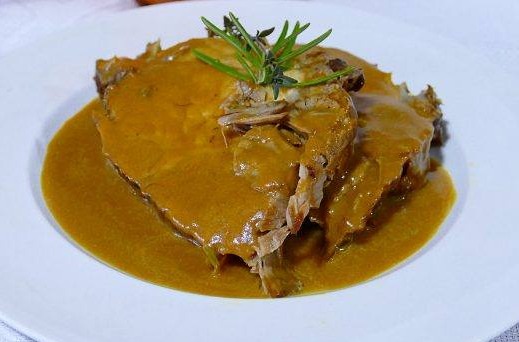
Pork Loin with BBQ and Orange Sauce

Canarian Recipes: Lomo de Cerdo con Salsa Barbacoa y Naranja

Pork loin in barbecue and orange sauce is characterized by being sweet and sour, juicy and caramelized in a reduction of natural orange juice, BBQ sauce, honey and garlic, achieving tender meat and an intense flavor.

Ingredients

  • 500-750 g pork loin
  • 1 -2 medium oranges
  • Zest from unused ends of orange, optional
  • 200 ml BBQ sauce
  • 120 ml orange juice
  • 1-2 tbsp honey
  • 1 garlic clove minced, optional
  • 1-2 tsp cornflour in water, to thicken if needed
  • Oil, Salt, Pepper to taste
  • 1-2 tsp French mustard, or other mustard, optional
    Quantities are totally to personal taste.

Instructions

  1. Marinate the pork loin in BBQ sauce, orange juice, garlic, salt, pepper, honey for at least 1 hour, ideally 2.
  2. Preheat the oven to 350F (180C) while the sauce simmers.
  3. Cut off the ends of the oranges, slicing the half from the middle and optionally halving.
  4. Take zest from the ends if using. Remove and loosely chop the pulp from the ends.
  5. Heat the oil and sear the loin on all sides until golden brown. the set aside.
  6. Pour the remaining marinade into the pan with the orange pulp and zest and cook over medium-low heat for 15-20 minutes. Thicken if required.
  7. Spoon a little sauce over the bottom of the baking tray, place the loin in the middle with orange slices to the side.
  8. Cover the loin with a generous spooning of sauce and trickle a little on each orange slice. Retain the rest for serving.
  9. Bake for 30 – 40 minutes, removing once to re-baste.
  10. Remove from the oven and let the tenderloin rest for a few minutes before slicing it.
  11. In the meantime, warm the remaining sauce, to which you can add juices from the baking tray.
  12. Arrange the orange slices on a serving plate and place the sliced loin on top, drizzling with sauce.
  13. Serve with the remaining gravy.
    Note: Cloves are sometimes included but this is a taste many dislike.
    Often recommended to serve with mashed potato but there are many options. Run riot with roast veggies.

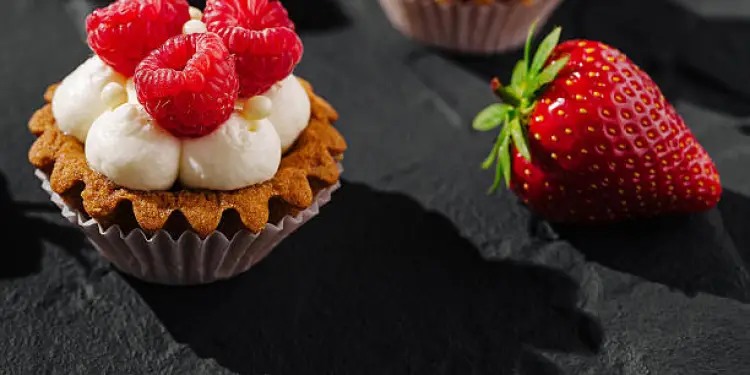
Strawberry and Chocolate Tartlet

Canarian Recipes: Tartaleta de fresa y chocolate 

The combination of chocolate and strawberry is unmatched. That delicious combination is especially perfect when packed into a cute little mini tart. These tarts are best served the day they are made.

(for 3 units)

  • 400 g shortcrust pastry
  • 30 g sugar
  • 200 g strawberry purée
  • 200 ml double cream
  • 150 g dark chocolate
  • 150 g cooking cream
  • 2 sheets of gelatine
  • Icing sugar
  • Fresh berries
  • Flaked coconut
  • Unsalted pistachios

Instructions

  1. Combine the strawberry purée (or crushed strawberries) with the double cream, reserving 5 tablespoons of the mixture. Freeze the remainder for 1 hour.
  2. Line the tartlet cases with the shortcrust pastry. Prick the base with a fork, place baking paper on top, add some dried legumes, and bake for 10 to 15 minutes at 180ºC.
  3. Allow to cool.
  4. Melt the chocolate in the heated cooking cream, allow to cool, and fill the tartlets. Chill in the fridge.
  5. Soak the gelatine sheets in cold water. Heat the reserved purée and dissolve the drained gelatine in it. Combine with the remaining cold mixture and mix well.
  6. Whip the mixture with electric beaters and pour over the chocolate ganache. Smooth the surface with a spatula and refrigerate.
  7. Decorate the tartlets with strawberries and fresh berries, chopped pistachios, flaked coconut, and a dusting of icing sugar.

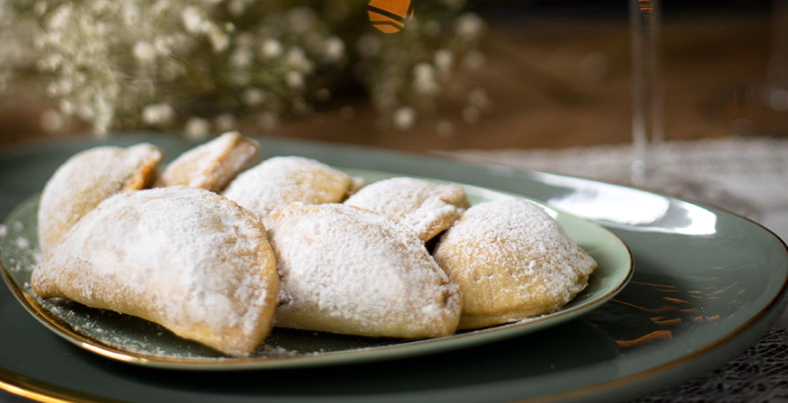
Sweet Potato Trout

Canarian Recipes: Trucha de Batata

Sweet potato dumplings are a delightful dessert and a cherished homemade recipe often made for Christmas. No-one seems to now why it has a “fishy” name. It’s  a pastry but with a sweet filling.

Ingredients for the Dough

  • 1 kg of flour
  • 200 g of sugar
  • 200 g of butter or lard
  • 1 teaspoon of baking powder (Royal type)
  • Grated lemon zest

For the Filling

  • 1.5 kg of yellow sweet potatoes 
  • 50 g of almonds
  • Grated lemon zest
  • Cinnamon
  • 2 whole eggs
  • Anise seed (a little)
  • 3 tablespoons of sugar, plus extra for decoration

Making the Dough

  1. Knead the flour with the lard and a little butter until the dough no longer sticks to your hands.
  2. Allow it to rest for a while.
  3. Then, roll out the dough with a rolling pin and use a bowl or cutting ring to form the circles, which will be ready for filling.

Preparing the Filling

  1. Cook the sweet potatoes in salted water until soft. Peel them and mash well with a fork.
  2. Next, add the peeled and ground almonds, cinnamon, a little anise liqueur, and mix thoroughly.
  3. Taste the mixture to see if it needs any additional ingredients.
  4. Once the filling is ready, start filling the circles; place the filling from the centre towards the front and fold them in half, creating a crescent shape.
  5. Seal the edges with a fork, decorating the edge to resemble a shell.
  6. Fry them in hot oil, and as they darken, remove them from the pan.
  7. Drain excess oil by placing them on absorbent paper.
  8. Once drained, arrange them on trays and sprinkle with sugar on top.

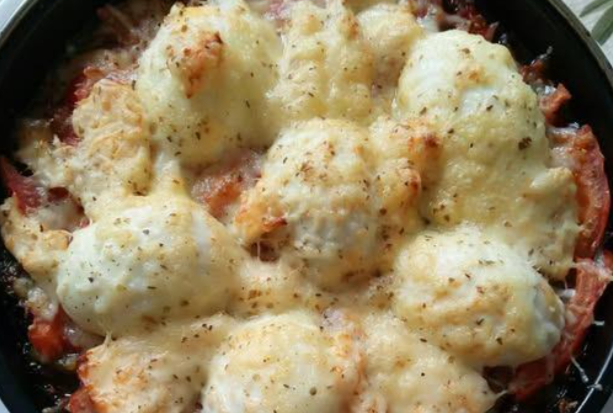
Turkish Eggs Canarian Style

Canarian Recipes: Huevos Turcos al Estilo Canario

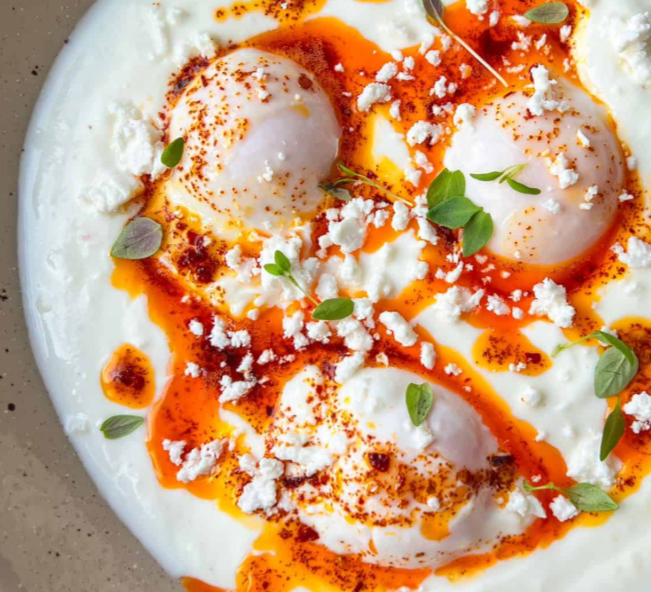
A versatile savory dish originally based on  Cilbir (Turkish Eggs) with boiled or poached eggs, peppers optional, served over a delicious garlicky yogurt and topped with cheese. Enjoy with fresh bread,

Ingredients

  • 3 eggs
  • 1 small onion
  • 1 large tomato
  • 2 to 3 crushed garlic cloves
  • Grated cheese, any melting cheese, to taste
  • 1 to 3 tbsp yogurt, to taste
  • 1-2 tbsp butter, to taste
  • Chilli flakes, optional, to taste
  • Salt, Pepper, Herbs

Optional Variation

  • Half a small red pepper.
  • Half a small green pepper.

Preparation

  1. In a frying pan with a dash of oil, sauté the garlic, onion and peppers if using.

  2. Add salt, pepper, chilli flakes if using, and stir.

  3. Blend in yogurt and butter to taste.
  4. Transfer to a dish and cover with a handful of cheese.

  5. Cover with the tomato cut into thin slices and put the eggs cut in half.
    Poached eggs also work well, even fried 🙂

  6. Cover with cheese again and sprinkle with the aromatic herbs.

Salted Fish with Sweet Potatoes

Canarian Recipes: Pescado Salado con Batatas

This simple Canarian dish consists of stewed grouper or salt cod accompanied by boiled potatoes (optional) and sweet potatoes . It is usually served with red or green mojo sauce.

For 4 people

  • 800 g salted fish (such as grouper, corvina, cod, samak)
  • 4–6 sweet potatoes, preferably Canary red
  • 3–4 potatoes (optional, if you wish to mix)
  • Olive oil
  • Red mojo or green mojo, optional

Instructions

Desalting the Fish
Rinse the fish under cold water to remove excess salt.
Soak it in fresh water for 24 hours, changing the water 2–3 times.
(If it is particularly salty, it may require up to 36 hours.)

Cooking the Sweet Potatoes
Peel the sweet potatoes and cut them into large chunks.
Boil them in water with a pinch of salt (just a little, as the fish adds salt).
Cook until tender (20–25 minutes).
CAUTION: Do not let them disintegrate.

Cooking the Fish
When the sweet potatoes are nearly ready, place the desalted fish in cold water in another pot.
Turn on the heat and let it boil for only 8–10 minutes.
If boiled for too long, it will become tough.

Serving
Serve the hot fish accompanied by:
boiled sweet potatoes, potatoes (if included), and Canary mojo (either spicy red or coriander green).
You may add a drizzle of olive oil on top.

Traditional Tip
In many households, this dish is accompanied by escaldado gofio, Canarian bread, or a small glass of wine.

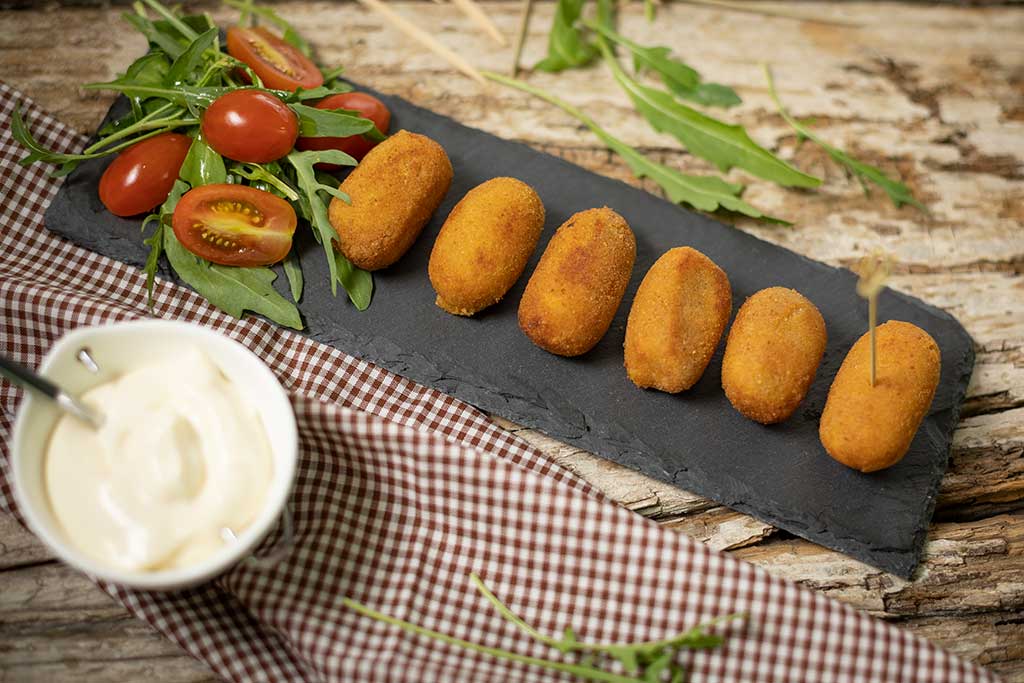
Almogrote Croquettes

Almogrote is a spread traditionally made with cured cheese, garlic, and oil. This flavourful blend has now been creatively incorporated into croquettes. While the texture in the croquette form is more liquid than the traditional spread, it retains the distinctive taste of the original almogrote.

Ingredients

  • 100g of butter or one tablespoon
  • 100g of white onion or half an onion
  • 50g of spring onion or leek if you prefer
  • 700ml of milk
  • 150g of flour
  • 200g of almogrote (they usually come in this size)
  • Salt and pepper to taste
  • Flour, eggs and breadcrumbs for coating
  • Olive or sunflower oil for frying

Method

  1. Heat a saucepan over medium heat with a drizzle of olive oil and then add the diced portion of butter, helping it to melt quickly.
  2. While you’re finely dicing the onion so it blends well, thinly slice the spring onion or leek leaves and mix them with the onion.
  3. Once the butter has melted, add the vegetables to the saucepan and let them cook for at least 10 minutes over low heat.
  4. While the onion is cooking, heat the milk in another container at medium temperature.
  5. Once the vegetables are cooked, gradually add the wheat flour to the saucepan and stir until well combined with the sautéed vegetables. Let it cook over low heat for about 10 minutes. You’ll see a solid dough form and the flour toast.
  6. Gradually add the hot milk, stirring constantly until the béchamel sauce is ready. All the ingredients in the saucepan should be well combined. 
  7. Remove the béchamel sauce from the heat and add the prepared almogrote, mixing it evenly. It will have a yellowish cream consistency. Taste the mixture and add salt and pepper if needed.
  8. Pour the mixture into a glass container or bowl, cover with plastic wrap, and let it set in the refrigerator for a day. If you’re in a real hurry, we recommend leaving it for at least 3 hours.
  9. Let’s create the final croquette! The dough has rested, and now it’s time for the final step.
  10. Prepare three containers: one with flour, one with egg, and one with fine breadcrumbs. Take portions of the dough with a spoon and shape them into your preferred croquette form. Then, coat each croquette in flour, egg, and breadcrumbs.
  11. All the croquettes are now formed. You can store them in the refrigerator or freezer, or cook them right away.
  12. Heat plenty of oil in a deep frying pan and add the croquettes when it’s very hot.
  13. Remove them and place them on a plate lined with paper towels to absorb the excess oil. 

Chorizo Teror Croquetas

Moya, Gran Canaria, is known for its wide array of croquette flavours. Among the most popular are those featuring the renowned chorizo from the village of Teror. These croquettes embody the unique taste of one of the Canary Islands’ most celebrated sausages.

Ingredients
4-5 servings

  • 1/2 onion
  • 1/2 leek
  • 2 teeth garlic
  • 1-2 Teror sausages
  • 150-200 g flour
  • 1/2 l milk
  • 1 spoon butter
  • Olive oil
  • Salt
  • Chopped parsley

For breading:

  • Flour
  • eggs
  • breadcrumbs

Step by step

  1. Peel the onion and garlic.
  2. Clean the leek.
  3. Chop the leek and onion. P
  4. Cut the leek, onion, and garlic in a food processor.
  5. Blend the vegetables.
  6. Sauté the onion, garlic, leek, and chopped parsley in a pot.
  7. Add the chorizo, stir. Add the flour, stir.
  8. Add the milk and stir.
  9. Season the dough.
  10. Shape and bread.

For Breading

The standard order is Flour, then Eggs, then Breadcrumbs (F-E-B), a three-step process where flour helps the egg stick, the egg acts as glue, and the crumbs provide the crust, with all stages often seasoned for flavor.

Use a “dry hand” for flour/crumbs and a “wet hand” for eggs to keep it clean, and chilling the breaded item before cooking helps the coating adhere.

To Cook Croquettes

Typically deep-fry them in oil heated to 180°C (350-356°F) for 3-6 minutes until golden brown and crispy, draining them on paper towels.

To bake, heat the oven to 180C/160C fan and air fryer/gas 4 and bake for 20-25 mins until deeply golden and crisp.