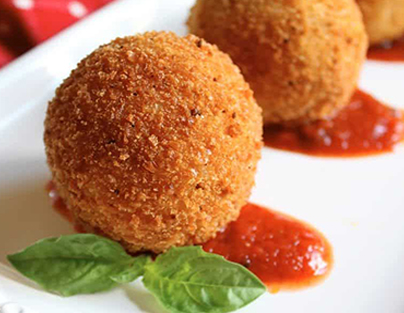
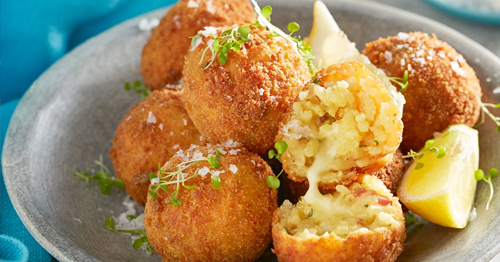
Easy Arancini Balls

Classic Italian Arancini Rice Balls in bite size form! Make risotto in the oven to make these with ease, or use leftover risotto. Shallow fried or baked!

Ingredients

Baked Risotto – Rice Mixture

  • 2 tbsp butter
  • 2 garlic cloves , minced
  • 1 small onion , finely diced
  • 1 1/2 cups risotto rice (arborio)
  • 1/2 cup white wine (or stock or water)
  • 3 1/2 cups chicken broth/stock
  • 1 cup milk

Cheese Mixture

  • 1 egg
  • 1 cup grated cheddar cheese
  • 3/4 cup grated mozzarella cheese
  • 2 1/2 tbsp finely chopped fresh parsley or 1 1/2 tbsp dried
  • 1/2 tsp salt
  • Pepper

Coating

  • 1/2 cup plain flour
  • 1/2 tsp salt
  • Black pepper
  • 2 eggs
  • 2 cups panko breadcrumbs
  • Cooking oil 

Instructions

  1. Preheat oven to 180C/350F.
  2. Melt butter in a skillet over medium heat.
  3. Add garlic and onion and cook for 5 minutes until soft.
  4. Add rice and stir until grains turn translucent.
  5. Add wine and turn up the heat to medium high.
  6. Cook until liquid is mostly absorbed/evaporated.
  7. Add chicken broth and milk.
  8. Stir, bring to simmer, cover, then transfer to oven.
  9. Baked, covered, for 30 to 40 minutes until all liquid is absorbed and rice is tender.
  10. Remove from oven and allow to cool.
  11. Add rice mixture ingredients and mix to combine.
  12. Cover and transfer to refrigerator for at least 3 hours or preferably overnight.

Coating

  1. Mix flour, salt and pepper in a shallow bowl, eggs in another (lightly beaten) and panko in a third shallow bowl.
  2. Measure out a scoop of rice mixture (about 2 1/2 tbsp) and roll into a ball.
  3. Roll in flour, then dredge in egg mixture, then coat in panko, pressing to coat.
  4. Repeat with remaining mixture.

Cooking

  1. In a medium saucepan, pour in 1″/2.5cm depth of oil and heat over medium high heat.
  2. Toss in a breadcrumb and if it starts sizzling immediately, the oil is hot enough.
  3. Carefully transfer a few balls into the hot oil, using a spoon.
  4. Turn frequently so they cook golden evenly, and when they are a deep golden brown, remove onto a paper towel lined plate to drain.
  5. Repeat with remaining balls.

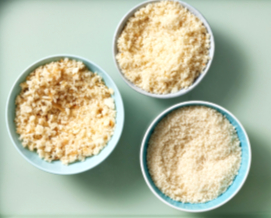
Panko Substitute

  • Crackers.
  • Crushed Pretzels.
  • White Bread (Crust Removed)
  • Crushed Potato Chips.
  • Crushed Tortilla Chips.
  • Dry Stuffing Mix.
  • Corn Flakes.

In a food processor, process the crumbs until you get a texture you like, which could range from fine to large.
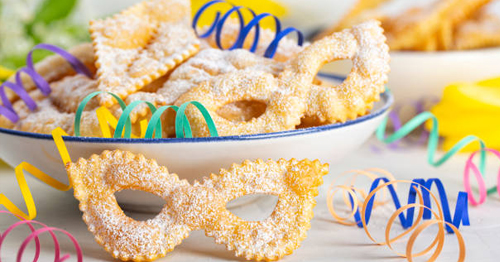

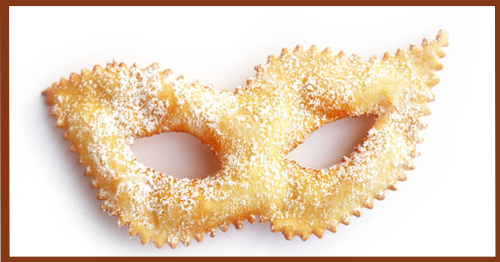
Carnival Puff Pastry Masks

Canarian Recipes: Máscaras de hojaldre de carnaval

With a simple sheet of puff pastry and a little creativity, these little masks become the stars of the show: decorative, easy to prepare, and above all, irresistible.

Sweet Puff Pastry Mask (Classic)

Ingredients

  • 1 sheet of puff pastry
  • 1 egg (for brushing)
  • Sugar or powdered sugar
  • Melted chocolate or jam (optional)
  • Fruit or sprinkles for decoration (optional)
  1. Preheat the oven to 180°C (350°F).
  2. Draw a mask shape on cardboard and use it as a template.
  3. Cut the puff pastry into mask shapes (also cut out the eye holes).
  4. Place them on a baking sheet lined with parchment paper.
  5. Brush with beaten egg.
  6. Sprinkle with a little sugar.
  7. Bake for 12–15 minutes until golden brown.
  8. Let cool and decorate with chocolate, icing lines, or powdered sugar. 

Savory Puff Pastry Mask (Cheese and Ham)

Ingredients

  • 1 sheet of puff pastry
  • Sliced ​​or grated cheese
  • Cooked or Serrano ham
  • 1 egg
  • Sesame seeds or oregano (optional)

Instructions

  1. Cut two mask shapes from each piece.
  2. On one, place cheese and chopped ham.
  3. Cover with the other sheet of puff pastry and seal the edges with a fork.
  4. Brush with beaten egg.
  5. Sprinkle with seeds or oregano.
  6. Bake at 180°C (350°F) for about 15–18 minutes until golden brown and puffed up. 

Chocolate or Cream-Filled Mask

Ingredients

  • 1 sheet of puff pastry
  • chocolate cream
  • pastry cream (or dulce de leche)
  • 1 egg
  • powdered sugar.

Instructions

  1. Cut two mask shapes for each unit.
  2. Place a thin layer of filling in the center (without reaching the edges).
  3. Cover with the other sheet and seal well.
  4. Carefully cut out the eye holes.
  5. Brush with egg wash.
  6. Bake at 180°C (350°F) for about 15 minutes.
  7. Let cool and sprinkle with powdered sugar.

Classic Torrijas

Canarian Recipes: Torrijas De Carnaval


This humble, yet delicious dessert, known for its bread (in most cases using stale bread from several days ago) soaked in milk or wine and subsequently fried with a prior coating of egg , is a clear example of how a dish can transcend borders and times.

Already documented in ancient Rome, where they were known as ” aliter dulcia ” (sweet dish), torrijas appear described in a Roman recipe book by Marcus Gavius ​​Apicius , born in 25 BC, from the 1st century.

This dish, which was based on a slice of bread soaked in milk and then fried (egg was not yet used in its preparation), was sweetened with honey . Over the centuries, the recipe adapted and evolved , finding a special place in Spanish cuisine, where ingredients such as cinnamon and sugar were incorporated , elements that are now characteristic of Spanish torrijas.

Ingredients:

  • Day-old bread 
  • 500 ml of milk
  • 2 eggs
  • 3–4 tablespoons of sugar
  • 1 cinnamon stick (optional)
  • Peel of lemon or orange (optional)
  • Powdered sugar and cinnamon for coating
  • Oil for frying
  • Honey (optional)

Method 

  1. In a saucepan, heat the milk with the cinnamon stick, lemon/orange peel, and sugar. It doesn’t need to boil; just infuse for 5 minutes.
  2. Slice the bread into thick pieces (about 2–3 cm).
  3. Remove the cinnamon and peel from the milk. Soak the slices in the milk until well saturated but not falling apart.
  4. Beat the eggs and dip each slice of bread into the egg.
  5. Fry in hot oil until golden brown on both sides.
  6. Place them on kitchen paper to remove excess oil. Then, coat them in sugar and cinnamon.

Optional
Drizzle with a little honey on top for a more traditional flavour.

Quick Tips
Day-old bread absorbs the milk better.
If you want softer torrijas, allow them to rest for a few minutes after soaking.

Chicken and Pineapple Skewers

Canarian Recipes: Brochetas de Pollo y Piña

A healthy protein-packed recipe with a delightful Hawaiian style sweet and savory balance. Use the lighter white meat from the breast or the more flavorful and juicy meat from the thigh.

  • 500g chicken breasts, diced
  • 1 fresh pineapple, diced
  • 2 tbsp soy sauce
  • 2 tbsp honey
  • 1 tbsp olive oil
  • 1 clove garlic, minced
  • Juice of 1 lemon
  • 1 tsp fresh ginger, grated (optional)
  • Salt and pepper to taste

To Make

  1. In a large bowl, mix together soy sauce, honey, olive oil, minced garlic, lemon juice, ginger, salt and pepper.
  2. Add the chicken cubes to the marinade and stir well to coat the chicken with flavor. Cover and marinate in the refrigerator for at least 30 minutes (or up to 2 hours for added flavor).
  3. If using wooden skewers, soak them in water for 10-15 minutes to prevent burning on the grill.
  4. Alternate the chicken and pineapple cubes on the skewers, making sure they are evenly distributed.
  5. Preheat the grill or skillet to medium-high heat.
  6. Cook the skewers for 4-5 minutes on each side, or until the chicken is cooked through and golden brown on the outside. The pineapple should be lightly caramelized.
  7. Remove the skewers from the grill and serve hot with rice, salad, or grilled vegetables.

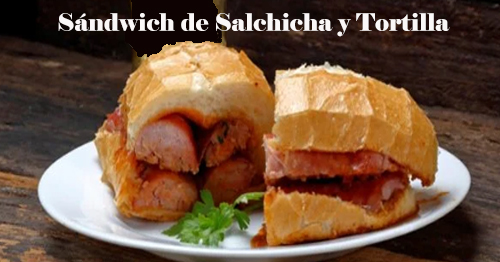
Sausage and Tortilla Sandwich

Canarian Recipes: Sándwich de Salchicha y Tortilla

Fat Thursday is a tradition observed in parts of Spain and the Canary Islands; its name comes from the verb “lardear,” which means to spread sausage or pork fat on something.

Ingredients:

  • Bread
  • Sausage
  • Tomato, fresh or paste
  • 2 eggs
  • Salt, Pepper, Garlic
  • Oil (Butter optional)
  • Cheese (optional)

Preparation

  1. Cut the sausage into small, even pieces and place them in a frying pan.
  2. Add a little oil or butter if the sausage contains little fat.
  3. While the sausage is cooking, beat the eggs.
  4. Season to taste with salt and pepper and add to the sausage .
  5. Once the eggs are set, flip the omelet and set it aside.
  6. Cut the bread in half and toast it. The crispy touch will contrast perfectly with the sausage omelet.
  7. Peel a clove of garlic and spread it on the bread.
  8. Slice the tomato in half and add to the bread, or spread with a little tomato paste. Season and add a little olive oil.
  9. Place the tortilla inside and, optionally, a little cheese.
  10. Serve your authentic Thursday Lardero Sandwich.


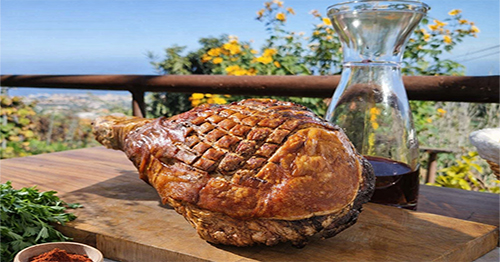
Canarian-Style Roasted Pork Leg

Canarian Recipes: Pierna De Cerdo Asada Al Estilo Canario

The Canarian roasted leg is one of those dishes that evoke festivities, market Sundays, and gatherings around a table full of food. With its crispy skin, juicy meat, and a marinade of garlic, cumin, and oregano that tastes of tradition, it has secured a place at celebrations, roadside taverns, and late-night sandwiches.

Ingredients

  • 1 leg of pork (hind or fore, approx. 3–5 kg)
  • 8–10 cloves of garlic
  • 1 tablespoon of cumin
  • 1 tablespoon of oregano
  • 1 tablespoon of paprika
  • Coarse salt
  • Black pepper
  • 1 glass of white wine
  • 1 glass of stock or water
  • Olive oil
  • 2 bay leaves
  • Optional: thyme or rosemary

Preparing the Marinade

Mash the garlic with salt, cumin, oregano, paprika, and pepper.
Add a good splash of olive oil and a little wine until you form a paste.

Marinate the Leg

Make deep cuts in the skin and meat.
Rub the marinade all over the leg, ensuring it gets into the cuts.
Place the bay leaves on top.
Cover and let it rest for at least 12 hours in the fridge (24 hours is better).

Roasting

Preheat the oven to 180°C.
Place the leg in a large roasting tray, add the remaining wine and the glass of stock or water to the bottom.
Cover with aluminium foil.

Slow Roasting

Roast for 2.5 to 3 hours (depending on size), basting occasionally with its juices.
Remove the foil to crisp the skin.

Final Stages

Increase the Temperature
Raise the oven temperature to 220°C.
Roast for an additional 20–30 minutes until the skin is nice and crispy.
If it browns too quickly, lower the temperature slightly or cover it partially.

How to Serve

  • Sliced thinly with wrinkled potatoes and mojo
  • Shredded for market sandwiches
  • Drizzled with the roasting juices (liquid gold)

Tips

If you want extra crispy skin: dry it well with paper before marinating.
Marinating time is key: the longer it rests, the more flavour it develops.
The next day, it’s even better for sandwiches.


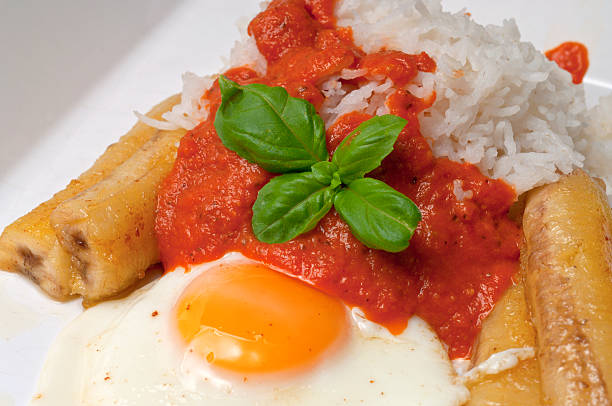
Cuban Rice

Canarian Recipes: Arroz a la Cubana

Arroz a la Cubana is a simple, classic dish that is very popular in Spain and Latin America. It is perfect when you want something quick, inexpensive, and filling.

Ingredients for 1

  • White rice (80–100 g)
  • 1 egg
  • 1 small ripe banana
  • Fried tomato (to taste)
  • Olive or sunflower oil
  • Salt

Method

  1. Wash the rice and cook it in salted water until it is fluffy. Drain well.
  2. Peel the banana, cut it in half (or into slices), and fry it until golden brown.
  3. In the same pan, fry the egg with a runny yolk (or to your preference).
  4. Serve the rice, add the hot fried tomato, and accompany it with the banana and egg.

Popular Variations
With sausages
With chorizo or ham
With avocado


Candelaria Cakes

Canarian Recipes: Rosca de la Candelaria


The Rosca de la Candelaria is a simple and aromatic sweet bread, typically featuring a boiled egg embedded in the centre as a symbol of fertility, life, and renewal. February 2nd is Candlemas Day where ring-shaped cakes or pastries are made, which children take to church in baskets with rosemary branches to be blessed.

Ingredients for cookies
(Serves 4–6)

  • 125 ml of extra virgin olive oil
  • 1 tablespoon of aniseed
  • 20g fresh baker’s yeast / 8g dried baker’s yeast
  • 250 ml of lukewarm water
  • 2 tablespoons of honey
  • 1 egg
  • 600g of strong flour
  • 1 teaspoon of salt
  • Colored aniseed candies or balls
  • Sugar

Method 

  1. We put the aniseed in the oil
  2. In a container we put the yeast, the honey, the water, the egg a little beaten, the oil with the aniseed.
  3. We mix everything with a whisk.
  4. Add the flour and salt, mix and knead.
  5. We pour the dough onto the work surface
  6. We divide the dough into portions of about 60 g.
  7. We roll each portion into a ball.
  8. We place them on a baking tray, wet our hands with extra virgin olive oil and with our finger open a hole in the center.
  9. We flatten them with the palm of our hand and add the candies or aniseed balls.
  10. We sprinkle sugar on top and let them rest for another half hour or an hour, until they rise again.
  11. Later. Preheat the oven to 180°C.
  12. Once it’s hot, put the cakes in.
  13. Depending on the size, they’ll take between 20 and 30 minutes.
  14. We put them on a wire rack to cool and they’re ready for a snack.

Cheesy Potato Cups

Canarian Recipes:  Tazas de papa con queso

Kitchen Cupboard Cooking – Don’t have much to work with?
Bacon Cintas – perfect emergency freezer supplies
Leftover Chili/Bolognaise – frozen makes good toppings

Cheesy Potato Cups
Quantities to taste or whatever’s left over!

  • leftover mash
  • milk/cream as available or needed
  • bacon cintas
  • 1/2 onion
  • grated cheese
  • butter
  • oil, salt, pepper, herbs

Method

  1. Caramelise the chopped onion in a little oil before adding the bacon for 2 or 3 minutes.
  2. Combine everything, leaving cheese for the top, and spoon evenly into muffin tins and top with the remaining cheese.
  3. Bake a hot preheated oven until tops are golden brown.
  4. Serve immediately with a dollop of sour cream, chili or mojo salsa on top!


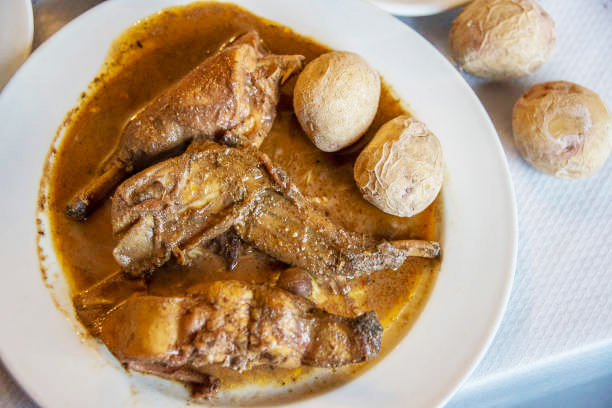
Salmorejo Rabbit

Canarian Recipes: Conejo en Salsa de Salmorejo

Rabbit in salmorejo is one of the most iconic dishes in Canarian cuisine, particularly in Tenerife, where it is a staple at popular festivities, pilgrimages, and family gatherings.

Its intense and aromatic flavour derives from salmorejo, a blend of garlic, spices, wine, and vinegar that is marinated for hours to infuse the meat. This simple recipe, passed down through generations, embodies resourceful cooking and the festive spirit of the islands. 

Ingredients
(Serves 4–6)

  • 1 chopped rabbit
  • 1 head of garlic
  • 2–3 palm peppers (or dried chillies)
  • 1 tablespoon sweet paprika 
  • 1 teaspoon whole cumin seeds
  • 1 bay leaf
  • 1 small glass of dry white wine
  • 1 small glass of wine vinegar
  • Coarse salt
  • Dried oregano
  • Extra virgin olive oil

For the Salmorejo crush:

  • Peeled garlic
  • Cumin
  • Palm peppers
  • Coarse salt
  • Add the paprika, oregano, vinegar, and white wine.
  • Mix well and incorporate a good splash of olive oil until it becomes a thick and aromatic sauce.

Marination (Very Important)

  1. Place the rabbit in a large bowl.
  2. Add the salmorejo, bay leaf, and mix well.
  3. Cover and let marinate for at least 8 hours; ideally, overnight in the refrigerator.
  4. The longer it rests, the more flavour it develops.

Cooking Steps

  1. Remove the pieces of rabbit (set aside the salmorejo).
  2. Fry them in plenty of hot oil until golden brown.
  3. Return the rabbit to the pan or stew pot and add the reserved salmorejo.
  4. Cook over medium-low heat for about 15–20 minutes until the sauce reduces and the rabbit becomes tender.

Party Tips (as Done in Tenerife)
Many prepare this dish the day before: reheating it enhances the flavours.
If you prefer it milder, add a bit of broth or water at the end.
At pilgrimages, it is often served cold or lukewarm.